Oil continues to flow from the Persian Gulf, yet crude prices remain near $100 a barrel. Traders worry that hostilities could resume at any moment. That fear alone is enough to keep markets on edge.
The Strait of Hormuz remains open, and tankers are still moving through it. No major disruption has stopped supply from reaching global markets. Physical oil is available, but the threat of conflict changes how buyers behave.
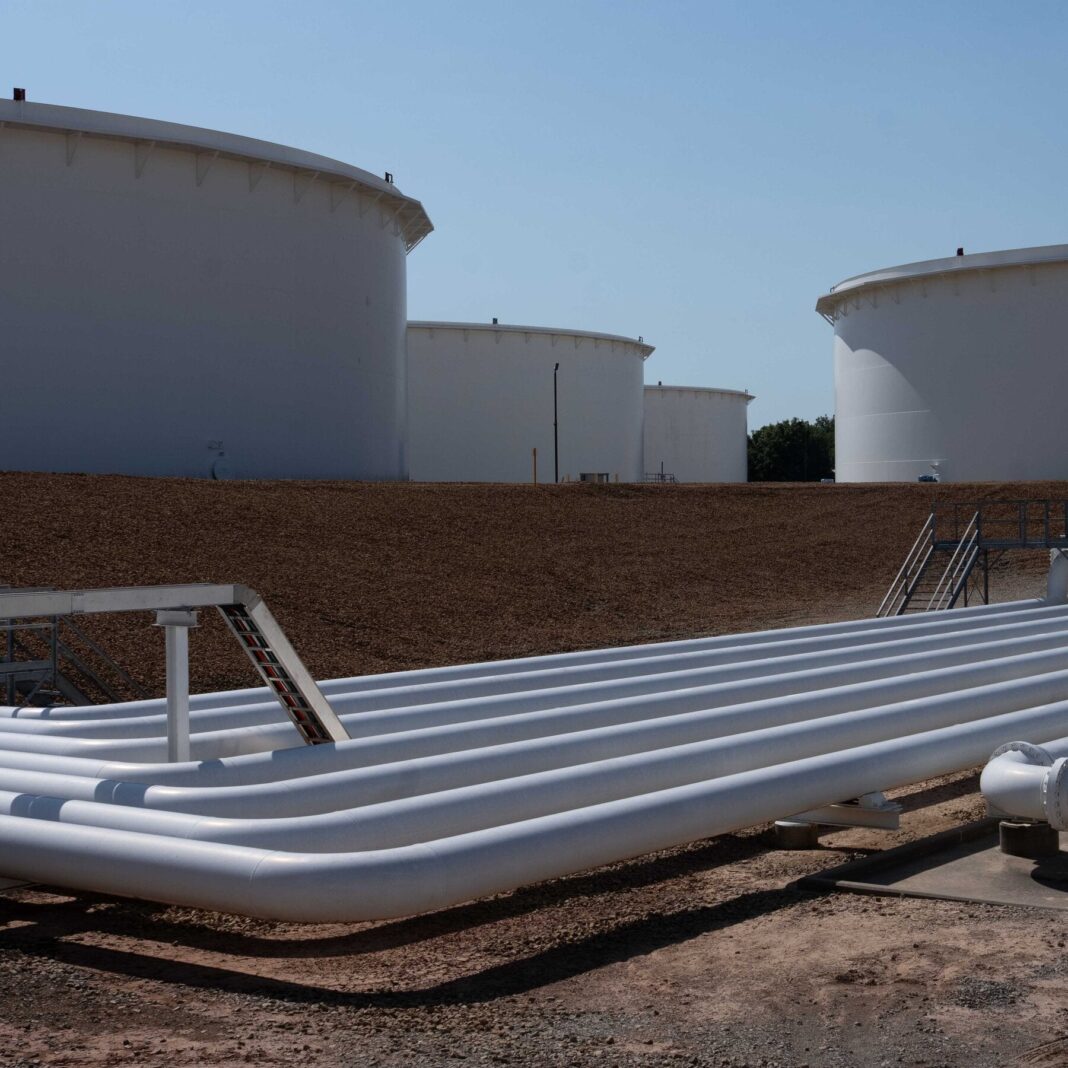
Emergency stockpiles are shrinking fast. The world has been drawing down reserves to cover gaps and calm prices. Those buffers are now much thinner than they were just months ago. A limited cushion makes any new disruption more dangerous.
Traders price oil based on expectations, not just current supply. When war risk rises, they build in a premium for possible shortages. That premium can stay high even if barrels keep flowing. Markets are forward-looking, and right now they see danger ahead.
The conflict involving Iran has not shut down exports, but it has raised uncertainty. Shipping insurers have grown cautious about routes near the Gulf. Some buyers are paying more to secure cargoes from alternative sources. These costs pass through to the final price of crude.
Washington has signaled it may take a harder line on Iranian oil exports. Even the hint of tighter sanctions pushes prices upward. Traders fear that enforcement could remove barrels from the market. That prospect keeps a floor under prices.
Global demand has not collapsed. Major economies still need oil for transport, industry, and heating. Supply growth from outside the Gulf has been slower than expected. When demand holds steady and supply risks grow, prices stay elevated.
The result is a market caught between real supply and perceived threat. Oil keeps sailing, but the fear of what might come next does not. Until that fear fades, high prices are likely to persist.