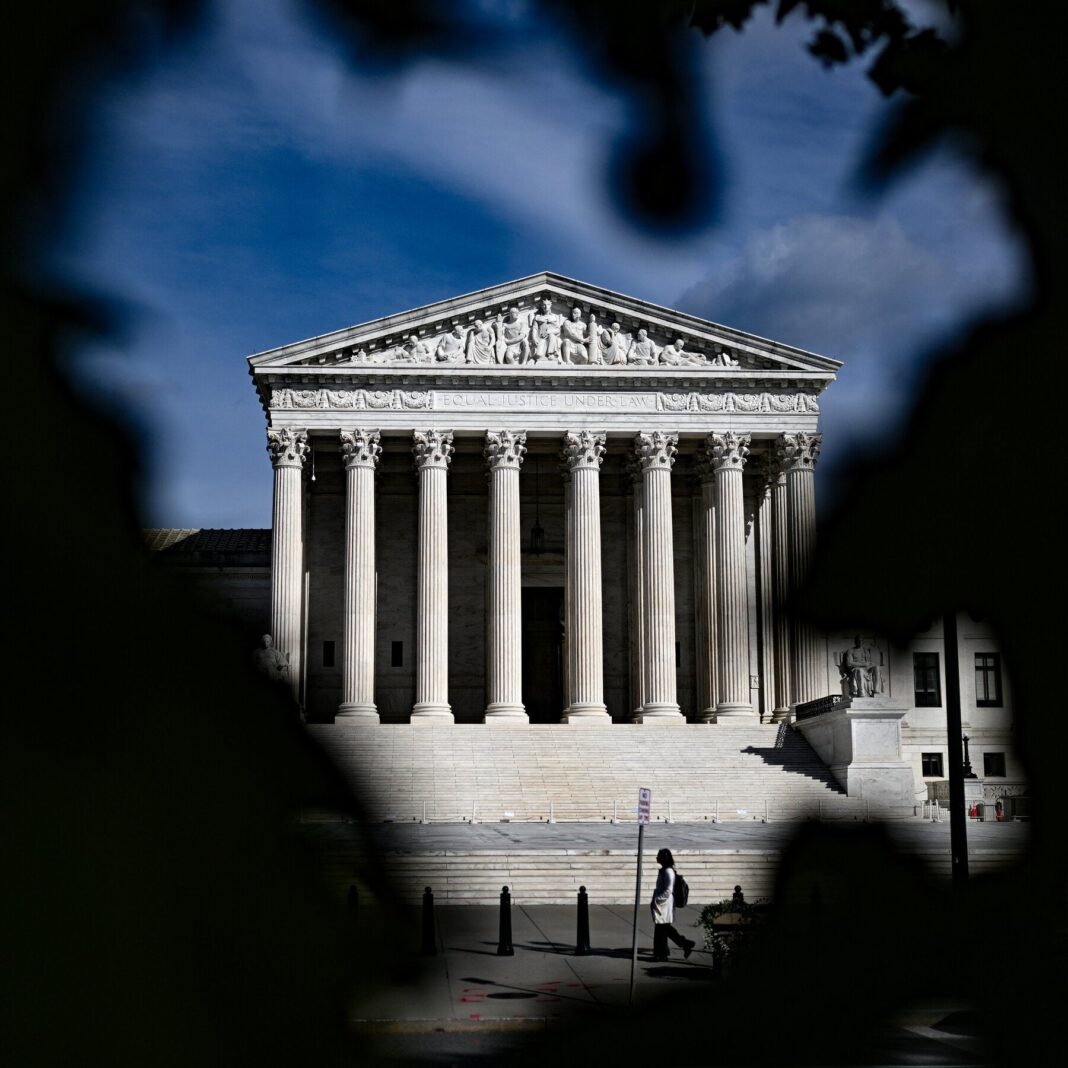
The Supreme Court’s traditional summer break has disappeared in recent years. Emergency applications now arrive year-round, forcing justices to work through July and August. One justice noted that summers “used to actually be summers.”
The shift reflects a broader change in how the court operates. The emergency docket, once reserved for rare and urgent matters, has become a regular fixture. Justices must respond to requests for stays, injunctions, and other fast-tracked relief.
Legal scholars point to several causes for the increase. States and advocacy groups have learned to use the emergency process strategically. Lower courts issue rulings that prompt immediate appeals to the high court.
The court’s conservative majority has also played a role. Recent decisions have opened new fronts in litigation over abortion, guns, and federal regulations. Each ruling can generate fresh emergency requests within days.
Justices have publicly expressed frustration with the pace. The emergency docket offers limited time for briefing and deliberation. Rulings often arrive as brief, unsigned orders with little explanation.
Critics argue the process lacks transparency. The public cannot easily track which cases reach the court on an emergency basis. Justices decide many of these matters without full oral argument.
Some proposals aim to reform the emergency docket. Ideas include requiring more detailed explanations for rulings. Others suggest creating a separate panel to handle routine requests.
The vanishing summer break carries personal costs for the justices. Long-held plans for travel, rest, and family time are frequently interrupted. The court’s changing rhythm mirrors its growing role in American life.