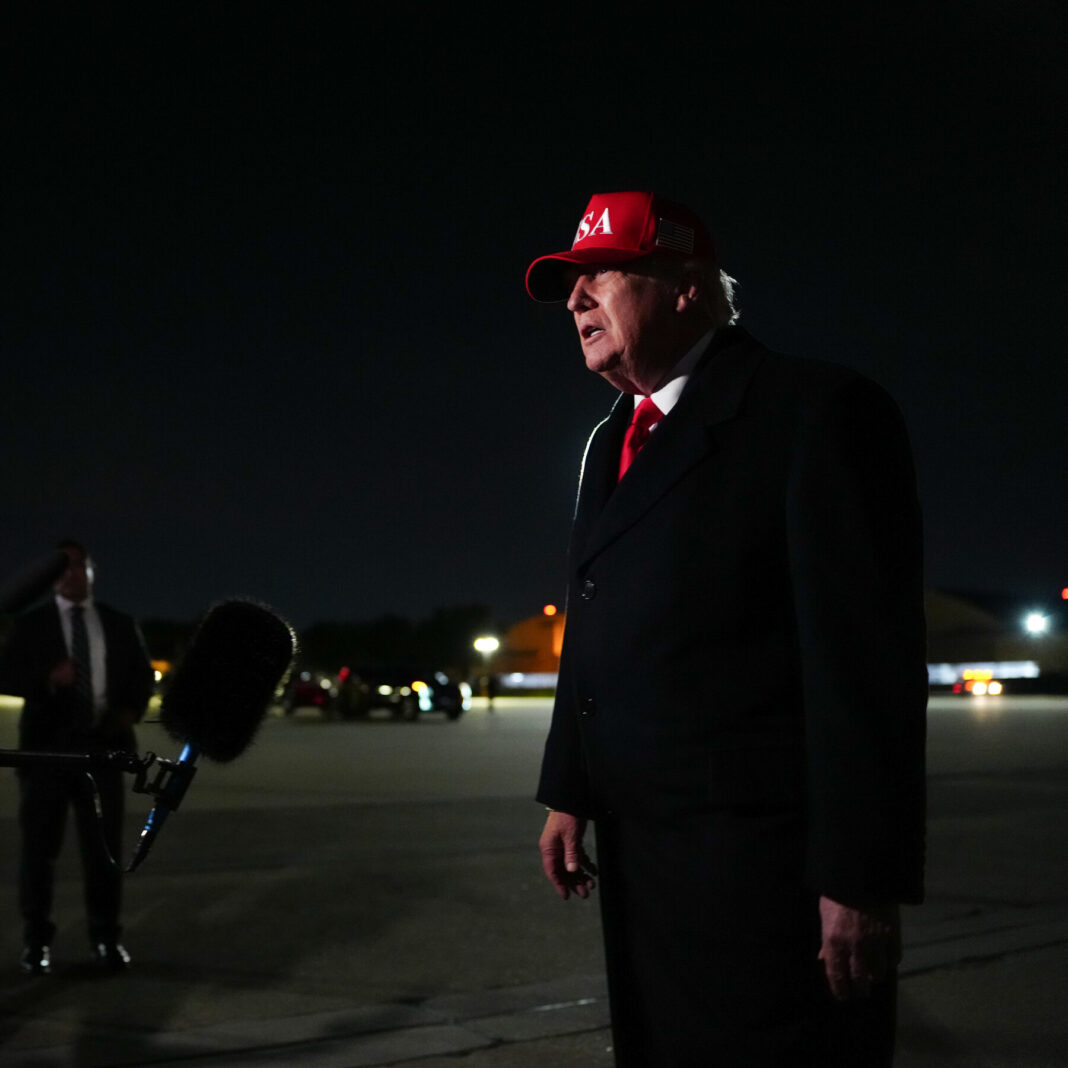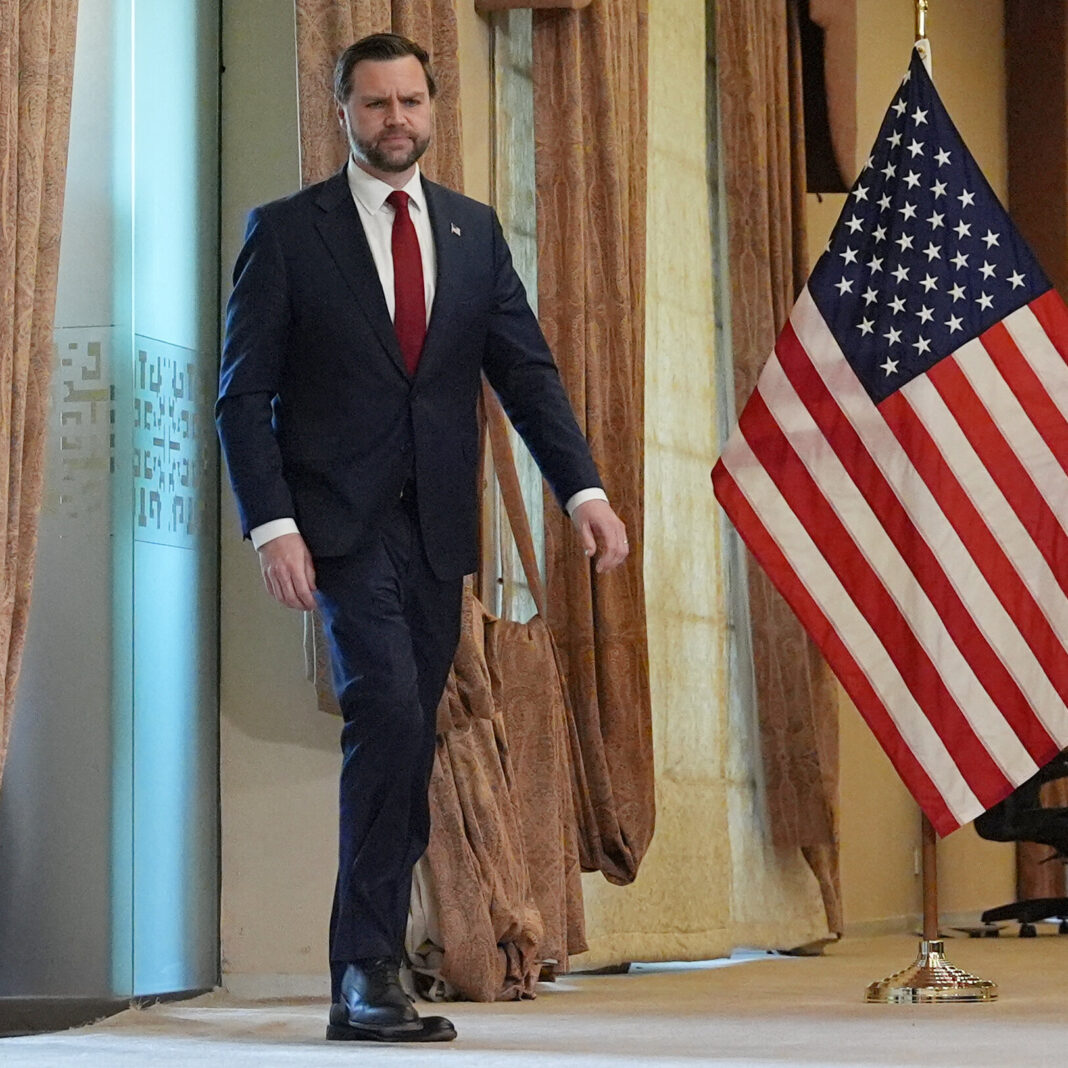
Vice President JD Vance recently led the highest-level diplomatic talks between the United States and Iran in decades. These discussions represented a significant diplomatic undertaking. They aimed to address ongoing regional tensions.
The effort marked a notable shift in Vance’s own political stance. He had previously voiced strong opposition to military engagement with Iran. This initiative was an attempt to pursue an alternative path through dialogue.
The talks ultimately concluded without a substantive agreement. Key disagreements on security and nuclear issues remained unresolved. This outcome highlighted the deep complexities of the bilateral relationship.
The failure of these negotiations carries immediate political consequences. It represents a setback for the administration’s foreign policy objectives. The situation also underscores the challenges of diplomacy in a volatile region.
Analysts note the talks did open a channel of direct communication. Such high-level contact had been absent for many years. However, the lack of progress shows how entrenched positions currently are.
The outcome may influence domestic political debates on foreign intervention. It raises questions about the effectiveness of diplomatic overtures. The episode will likely be scrutinized in the context of future strategy.
This diplomatic chapter closes with tensions still simmering. The attempt at dialogue, while unsuccessful, underscores the persistent search for solutions. The region’s stability remains a pressing and unresolved concern.