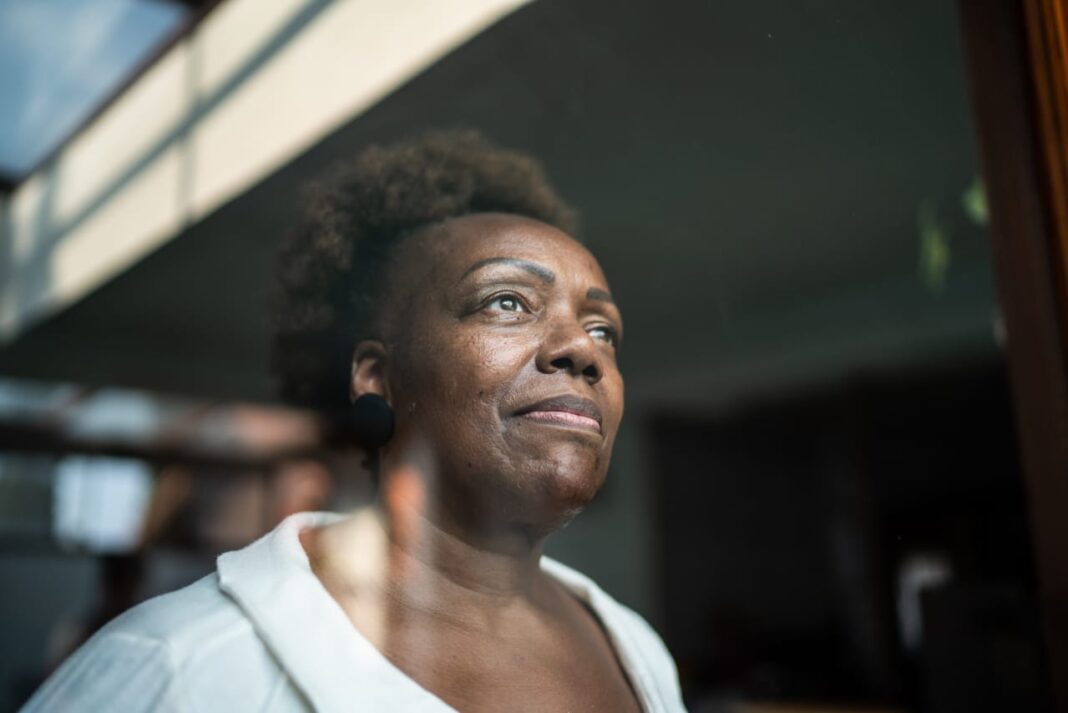
A 68-year-old widow is questioning whether financial support for her two adult children threatens her retirement security. She provides regular cash gifts while managing her own fixed income. Her situation reflects a growing concern among older Americans balancing family duty and financial stability.
She holds $310,000 in an individual retirement account and $46,000 in savings. Her home is fully paid off, eliminating mortgage costs. These assets form the core of her retirement safety net. Without careful management, they could erode over time.
Financial advisers warn that ongoing gifts to adult children can deplete retirement funds faster than expected. Many parents underestimate how much they give annually. Small monthly contributions often add up to significant sums over years. This pattern can leave retirees vulnerable later.
The widow’s IRA likely generates required minimum distributions based on her age. Those withdrawals are taxable income. Using that money for gifts reduces the amount available for health care or long-term needs. Medical costs typically rise with age, creating future budget pressure.
Her $46,000 in savings offers little cushion for emergencies. A single major home repair or medical event could consume much of that reserve. Without replenishing savings, she risks relying solely on Social Security and her IRA. That combination may not cover rising living expenses.
Adult children asking for money may not realize the long-term impact on a parent’s finances. Setting boundaries is difficult for widows who want to maintain family connections. Open conversations about budgets and limits can help both sides plan realistically. Written agreements for loans or gifts can also reduce confusion.
A certified financial planner can review her full picture, including taxes and insurance. That professional can model different scenarios for giving versus saving. If she reduces gifts, she protects her own future. If she continues, she needs a clear cap to avoid running out of money.
Some retirees choose to give assets as early inheritance while they are alive. That strategy can reduce estate taxes but requires careful timing. Without a formal plan, generosity may backfire. The widow must decide what she can afford without jeopardizing her own care.
Her paid-off home provides stability and potential equity. A reverse mortgage or downsizing could free up cash if needed. However, those options carry fees and risks. Relying on home equity late in retirement is not a substitute for a solid savings plan.
The core question is not whether she loves her children but whether she can sustain the giving. Retirement lasts decades, and costs only increase. A balanced approach includes emergency reserves, health care projections, and clear limits on family support. Professional guidance can turn vague worries into a workable plan.