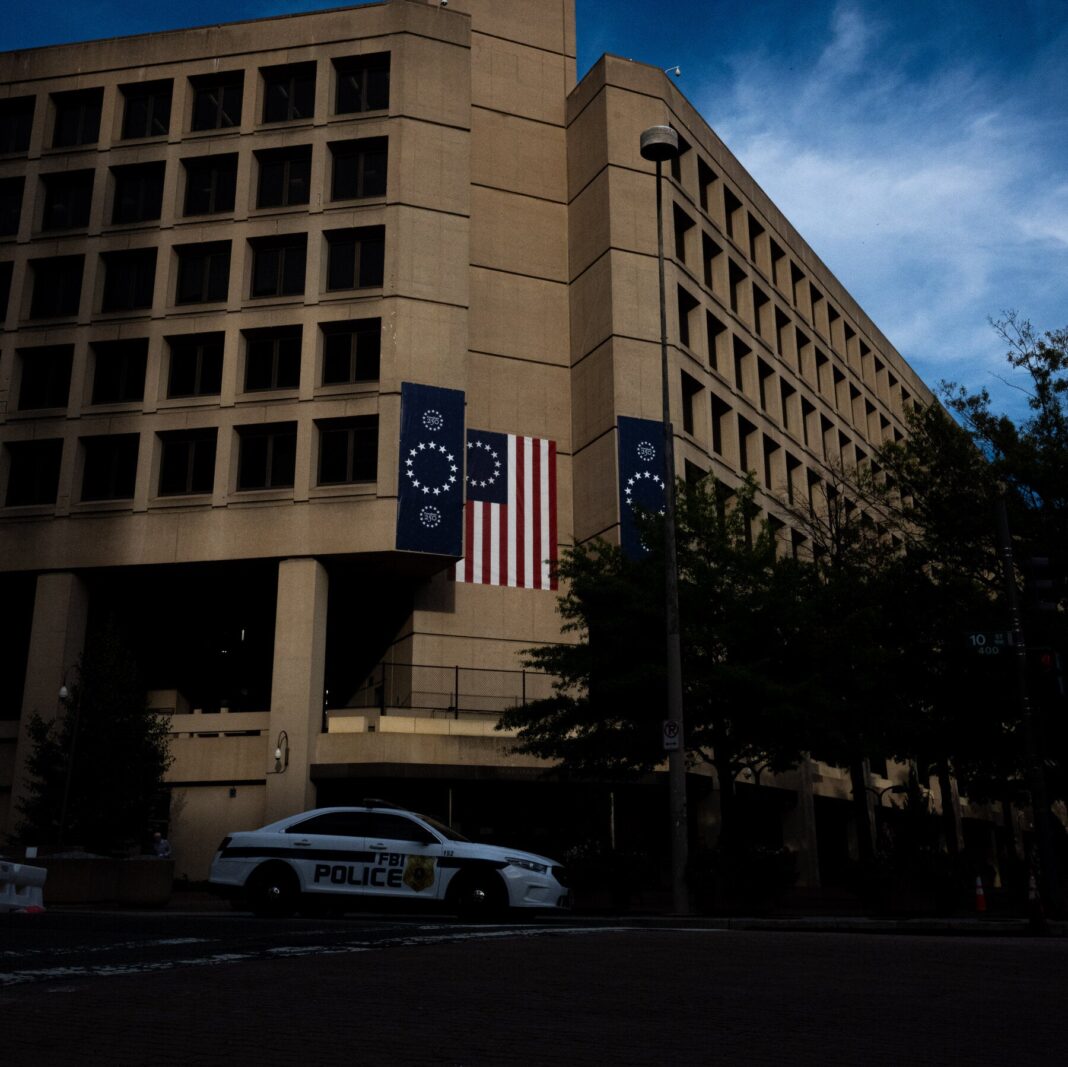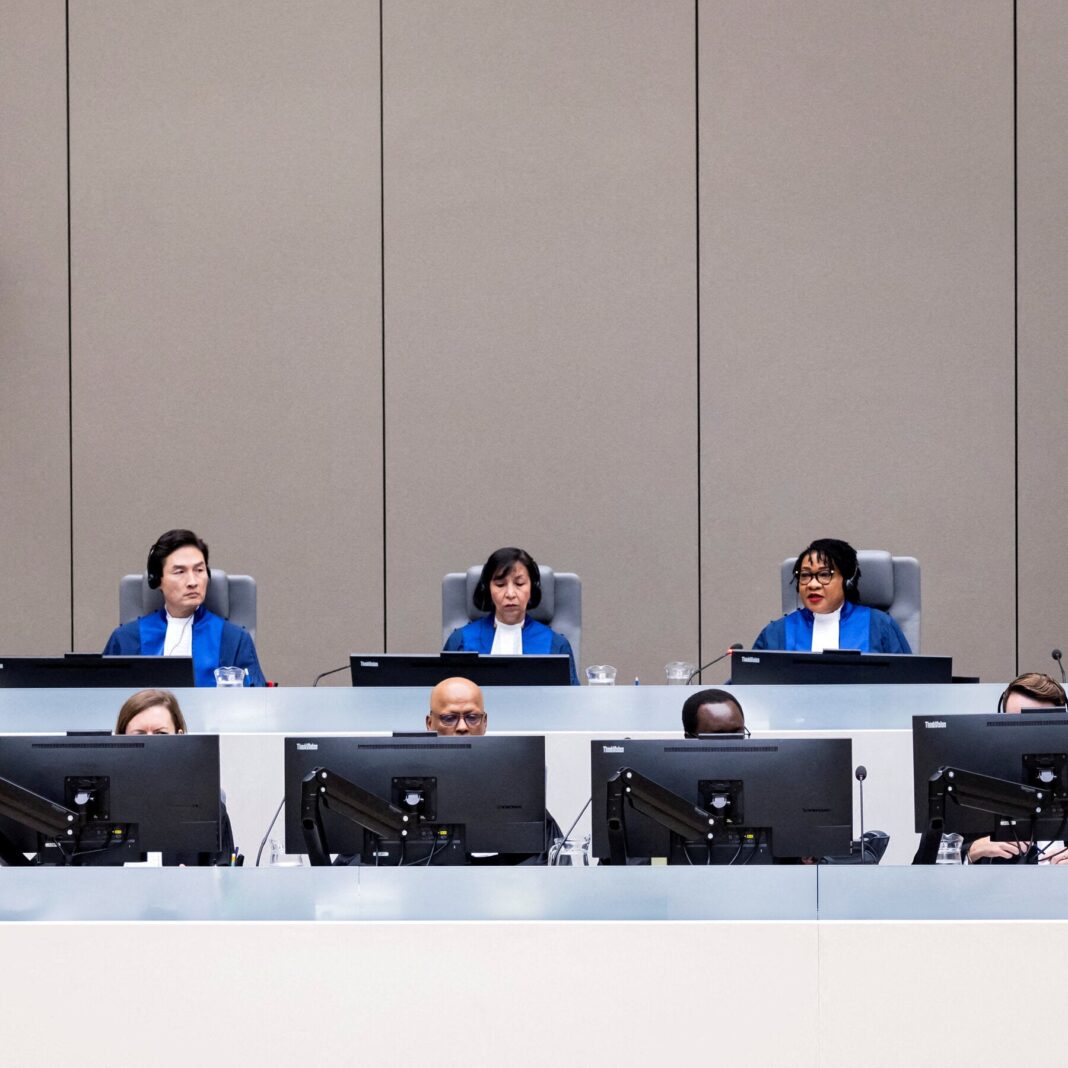
The Trump administration imposed sanctions on the International Criminal Court on Friday. Officials announced the measures just hours after the Nobel Peace Prize was awarded to a former court judge.
The sanctions target court personnel and block access to U.S. financial systems. They mark a sharp escalation in Washington’s long-running dispute with the tribunal.
The Nobel committee honored Nadia Murad, a former ICC judge, for her work documenting atrocities against the Yazidi community. The timing underscored the divide between international recognition and U.S. policy.
Officials cited the court’s investigations into American citizens and allies as grounds for the penalties. The ICC has pursued cases involving Israeli and U.S. personnel in recent years.
The court condemned the sanctions as an attack on judicial independence. Human rights groups warned the measures could undermine accountability for war crimes worldwide.
Legal experts said the sanctions may complicate cooperation between the court and member states. Several European governments signaled concern over the move.
The ICC’s governing body planned an emergency meeting to discuss its response. Court officials said they would continue operating despite the restrictions.
The sanctions represent the latest chapter in a strained relationship between Washington and the tribunal. The court has faced similar pressure from the U.S. since its founding in 2002.