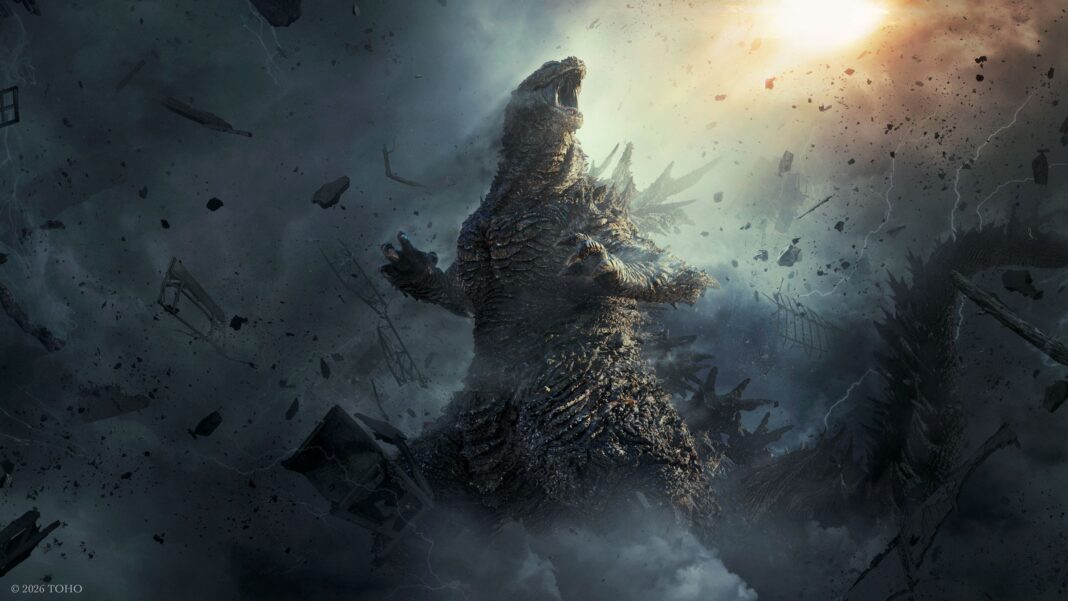
The team behind Takashi Yamazaki’s new monster film needed a powerful roar for their kaiju. They placed large speakers on top of an outdoor dam to test the sound. Bystanders nearby had no warning before the noise hit them.
The experiment produced a deep, unsettling roar that echoed across the valley. People walking below reportedly froze or fled in confusion. The sound was loud enough to feel physical, not just hear.
Sound designers chose the dam for its natural acoustics and isolation. The massive concrete structure amplified low frequencies that normal studios cannot reproduce. This gave the monster a voice with real weight and scale.
The crew recorded the results from multiple distances and angles. Those recordings were later layered with other sounds in post-production. The final roar blends organic rumble with digital processing.
Yamazaki wanted the creature to feel like a genuine physical threat. He rejected roars that sounded too clean or familiar from older films. The goal was to unsettle audiences on a gut level.
Public reaction during the test confirmed the sound’s effectiveness. Some passersby covered their ears and hurried away. Others stood still, unsure of what they had just heard.
The film arrives in theaters with this distinctive audio approach intact. Early viewers have praised the monster’s presence as overwhelming. The dam experiment remains a key part of the sound team’s process.
This behind-the-scenes detail shows how far filmmakers go for authenticity. Practical sound tests can achieve effects that studio tricks alone cannot match. The result is a roar that feels alarmingly real.