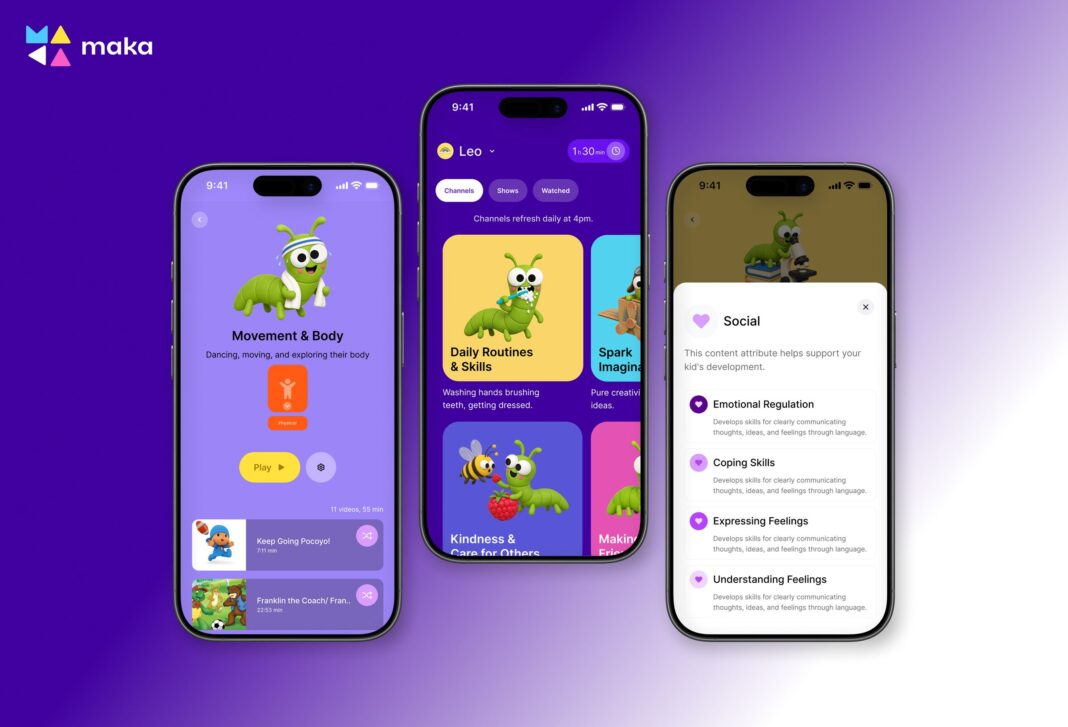
A new streaming platform aims to address the growing problem of low-quality, AI-generated content in children’s media. Maka offers an alternative curated by child development experts.
The platform was created in response to the flood of automated videos that now dominate kids’ programming on major sites. These videos often lack educational value and use manipulative tactics to hold attention.
Maka’s library features shows designed with input from educators and psychologists. Each program must meet specific criteria for pacing, language, and emotional development.
The service avoids autoplay features and algorithmic recommendations that can lead children to inappropriate content. Parents can set viewing limits and access detailed descriptions of every show.
Content on the platform includes animated series, live-action programs, and interactive segments. Producers must submit their work for review before it appears on the service.
The company charges a monthly subscription fee rather than relying on advertising. This model removes the incentive to maximize watch time at any cost.
Early users report that children engage with the slower-paced shows without complaints. The platform’s approach suggests that quality content can compete with automated alternatives.
Maka’s launch highlights a broader debate about responsibility in children’s digital media. Regulators and advocacy groups continue to push for stronger protections across the industry.