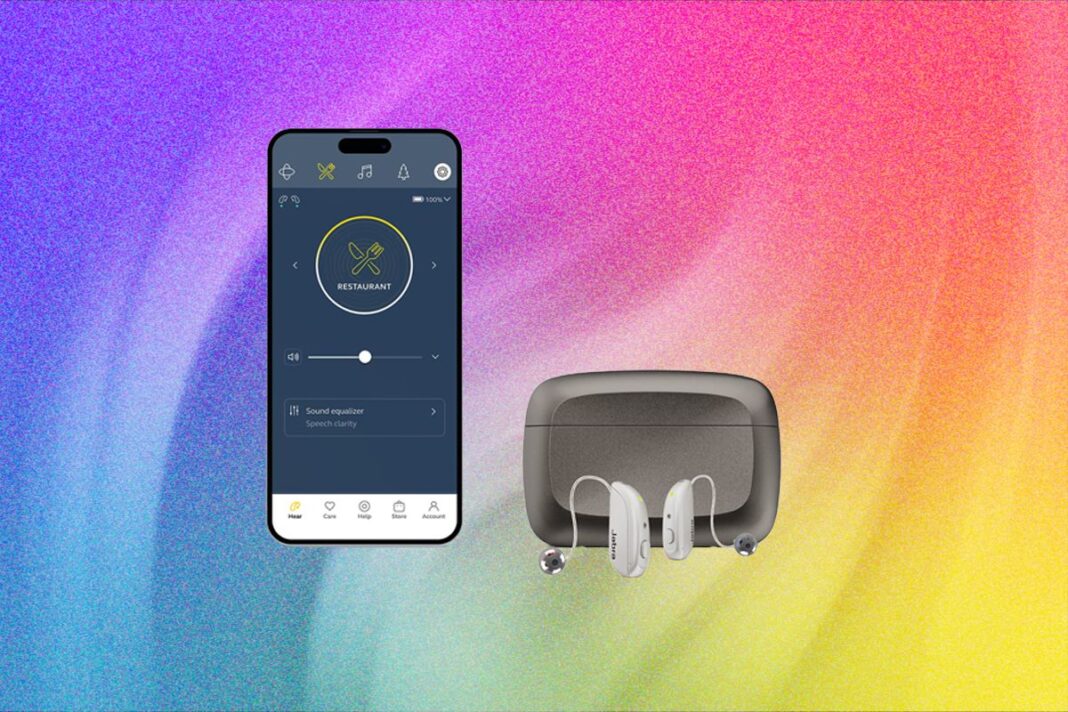
Jabra’s latest direct-to-consumer hearing aids arrive with a premium price tag. The Enhance Select M3 represents the brand’s new top-tier offering. However, the device delivers only modest upgrades over its predecessors.
The M3 sits at the top of Jabra’s hearing aid lineup. It targets users seeking advanced features without visiting a clinic. The direct-to-consumer model keeps costs lower than traditional prescription devices. Yet the M3 still commands a significant investment.
Sound quality remains solid across everyday environments. Speech clarity in quiet settings is reliable and natural. Background noise reduction works adequately for moderate situations. These strengths mirror what earlier Jabra models already provided.
The improvements in the M3 are incremental rather than transformative. Battery life sees a slight bump compared to the previous generation. Connectivity with smartphones stays stable and easy to use. None of these changes feel essential for most users.
The accompanying app offers basic control over volume and programs. Users can adjust settings without needing an audiologist visit. However, the app’s interface has not changed much from older versions. This limits the sense of a truly new product.
Comfort and fit remain comparable to prior Jabra devices. The behind-the-ear design is lightweight and discreet. Multiple dome sizes help users find a workable seal. Long-term wear is generally tolerable for most people.
The M3’s price places it in competition with more advanced alternatives. Some rivals offer better noise handling or longer battery life. Jabra relies on its brand name and ease of use. That may not justify the cost for budget-conscious buyers.
For existing Jabra users, upgrading to the M3 brings few rewards. New buyers may find the device capable but overpriced. The hearing aid market continues to evolve quickly. Jabra’s latest effort feels like a cautious step rather than a leap.