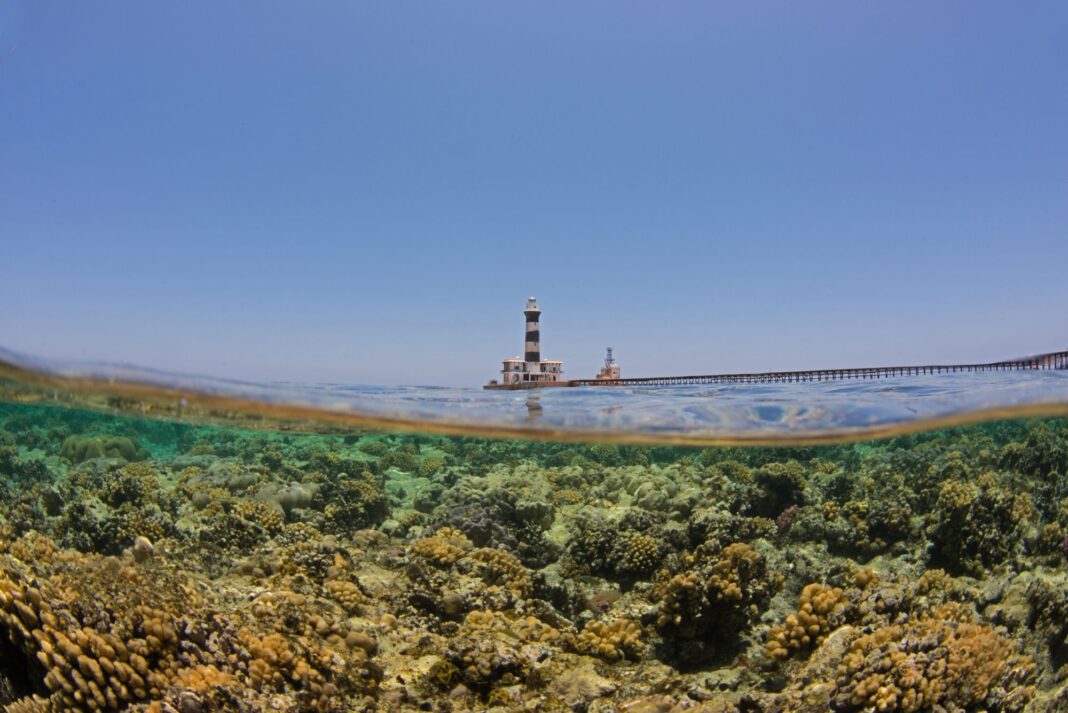
Scientists have long puzzled over why coral reefs in the northern Red Sea resist bleaching while reefs elsewhere decline. These corals tolerate unusually warm water, leading researchers to call them “super corals.” Their resilience could offer lessons for saving reefs worldwide as oceans heat up.
The Red Sea’s northern reefs sit in a unique environment. Water temperatures remain relatively stable, and coral species there have adapted to extreme conditions over thousands of years. Some scientists credit genetic traits passed down through generations. Others point to the region’s natural currents and water circulation.
But that immunity is now showing signs of strain. Recent surveys reveal patches of bleaching in areas once considered safe. Corals that survived past heat waves are struggling under longer and more intense temperature spikes. The trend worries researchers who hoped these reefs would serve as a climate refuge.
The debate over what protects these corals remains unresolved. One theory suggests that corals in the Gulf of Aqaba benefit from cooler deep-water upwelling. Another argues that local species simply possess hardier symbiotic algae. Without a clear answer, conservation plans remain uncertain.
Understanding the mechanism matters beyond the Red Sea. If scientists can identify the genes or conditions behind this resilience, they might help other reefs adapt. Coral restoration projects could then target specific traits or environments. The stakes are high for global marine biodiversity.
Climate change is testing the limits of even the toughest corals. Rising sea temperatures, ocean acidification, and stronger storms threaten reef ecosystems everywhere. The Red Sea’s super corals are not invincible, and their decline would mark a significant loss. Their fate may foreshadow what happens to reefs worldwide.
Researchers continue monitoring the region closely. They collect data on temperature, coral health, and genetic diversity. Some propose expanding protected zones to reduce local stressors like pollution and overfishing. Such measures could buy time for corals to adapt or recover.
The story of Egypt’s super corals is one of hope and warning. These reefs show nature’s capacity to endure, but also its fragility under rapid change. What happens next depends on how quickly scientists learn and how boldly policymakers act. The answers could shape the future of oceans everywhere.