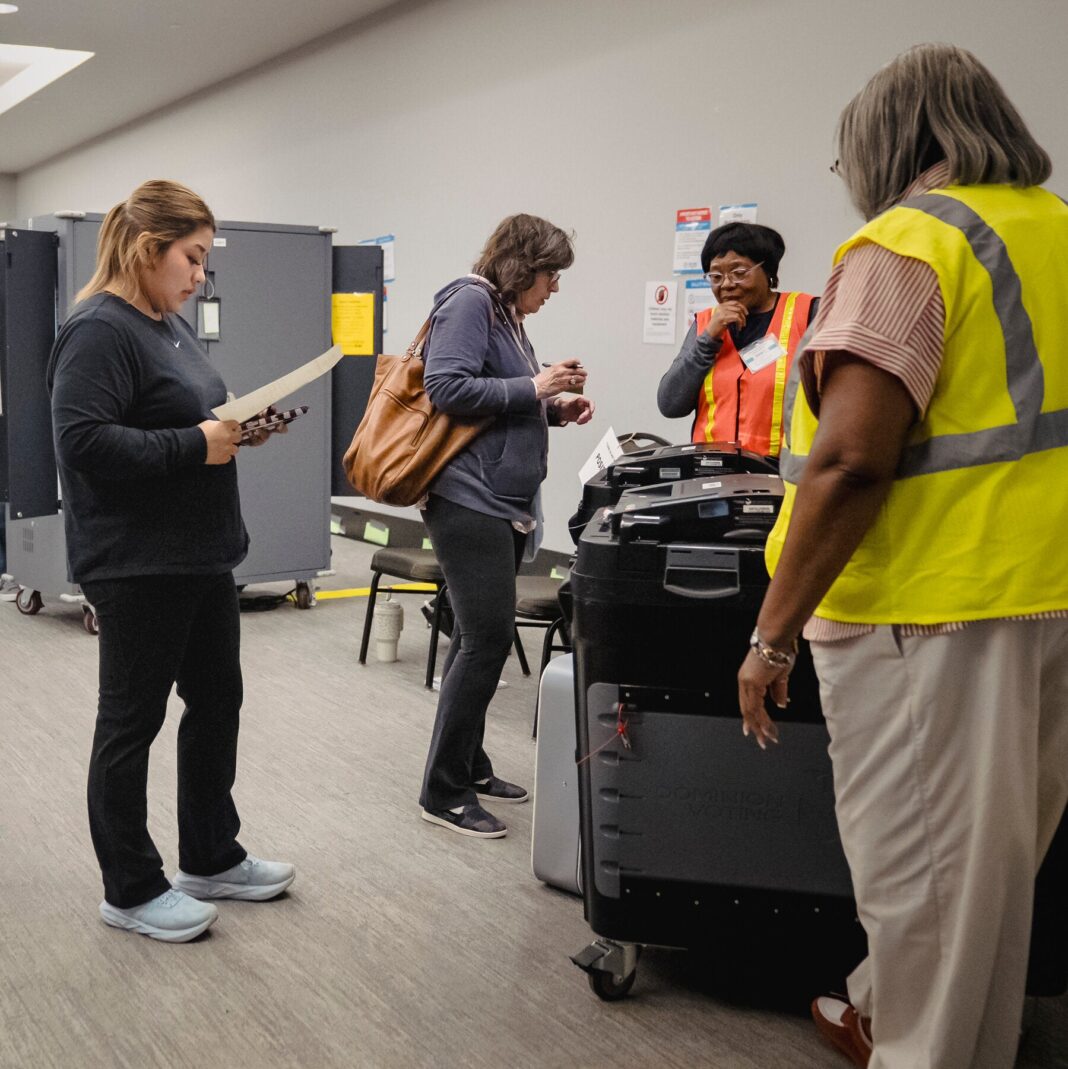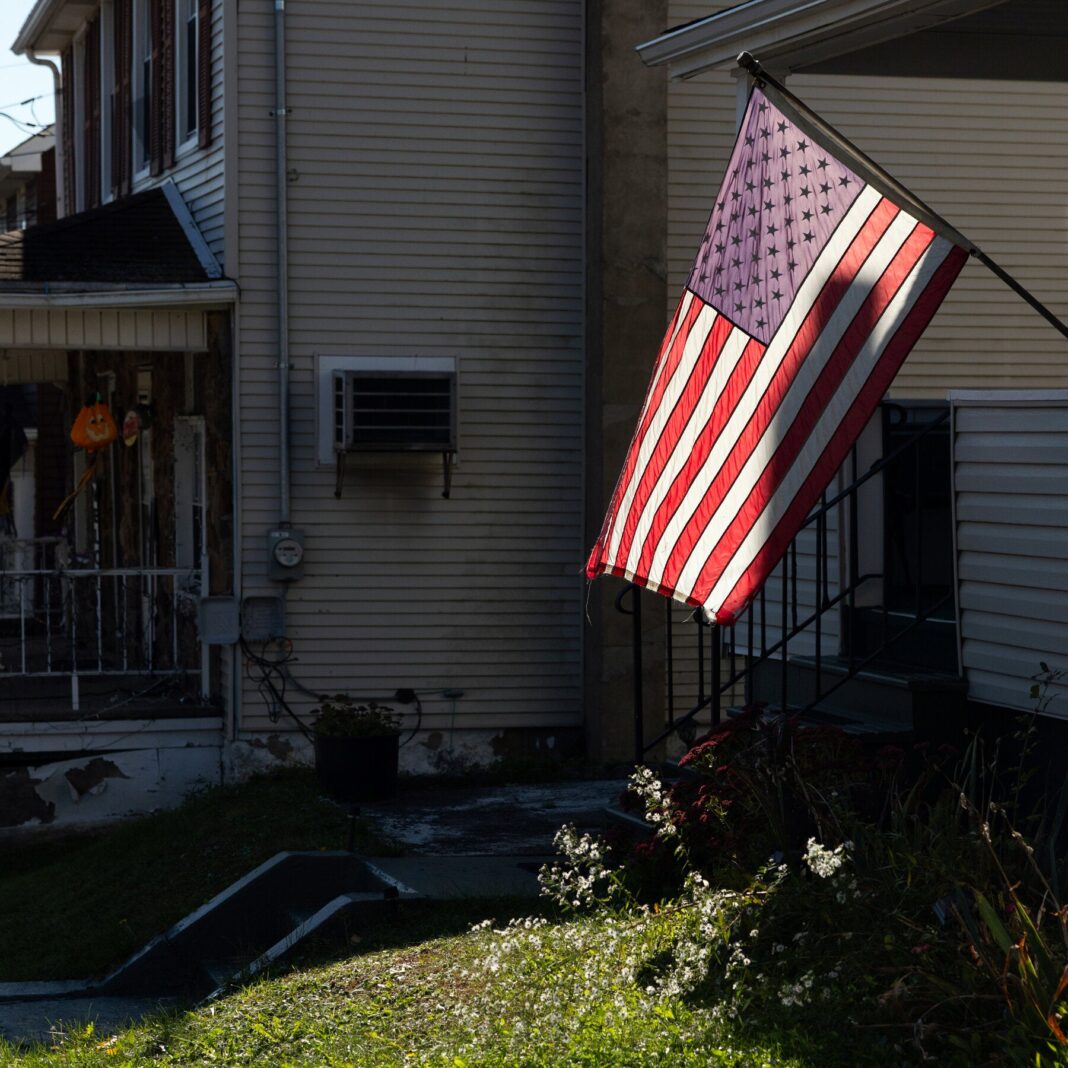
Pennsylvania has emerged as a key bellwether for the 2026 midterm elections. Four competitive congressional districts in the state capture the central tensions dividing voters nationwide. These races offer a preview of the broader political landscape.
The state’s mix of urban, suburban, and rural communities makes it a reliable political microcosm. Campaign strategists from both parties are watching these districts closely for early signals. Shifts in voter sentiment here often mirror national trends.
Economic concerns are dominating the conversation in these battleground districts. Rising costs and job security weigh heavily on voters across party lines. Candidates have adjusted their messaging to address these kitchen-table issues.
Suburban districts have become the most fiercely contested terrain. Independent and moderate voters in these areas hold outsized influence over the outcome. Both parties are investing heavily to win their support.
Rural districts reveal a different set of priorities and frustrations. Debates over energy policy and land use resonate strongly with these communities. Voter turnout in these areas could prove decisive in close races.
National political figures have made frequent appearances in the state. Their visits underscore Pennsylvania’s importance to control of Congress. Local candidates must balance national messaging with district-specific concerns.
The results in Pennsylvania will likely shape party strategies beyond this election cycle. Analysts view the state as a testing ground for messages that could define future campaigns. How voters respond will offer clues about the nation’s political direction.