The horror film “Faces of Death” presents a killer convinced he is fulfilling a dark online demand. This character’s belief taps into a disturbing modern anxiety. The movie uses this premise to explore a grim digital reality.
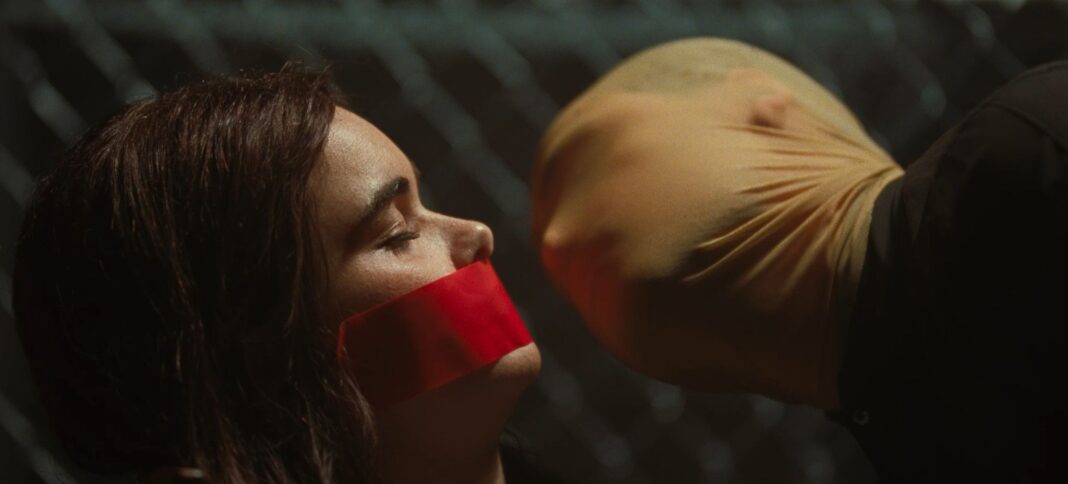
Its portrayal of simulated snuff film violence is notably graphic. The technical execution makes these sequences feel unsettlingly authentic. This realism is a central, jarring feature of the film.
Yet the most troubling element lies beyond the visceral horror. The narrative suggests a society complicit in consuming such extreme content. It implicates the viewer in a cycle of demand and supply.
The film critiques a culture desensitized by internet atrocities. It questions where artistic commentary ends and exploitation begins. This ambiguity fuels its deeper psychological impact.
Directorial choices deliberately blur lines between fiction and reality. This technique amplifies the movie’s uncomfortable themes. It forces a confrontation with uncomfortable questions about media consumption.
“Faces of Death” operates as a dark mirror to contemporary online behavior. It suggests the monster may not be a lone individual. The real horror might be the audience that secretly wills him into being.
The film’s power stems from this provocative implication. It leaves a lingering disquiet far beyond its runtime. The story resonates because its fictional horror feels perilously close to truth.