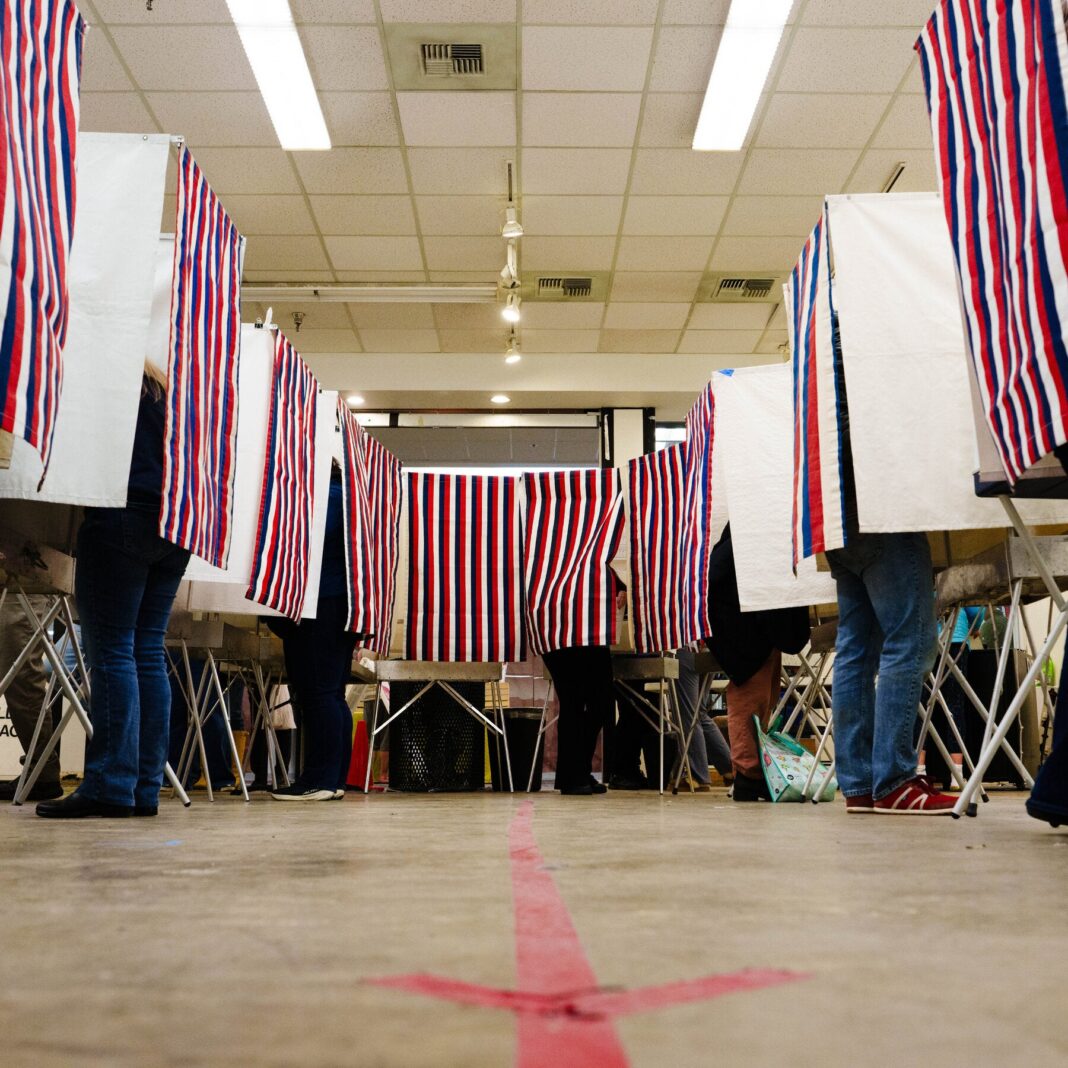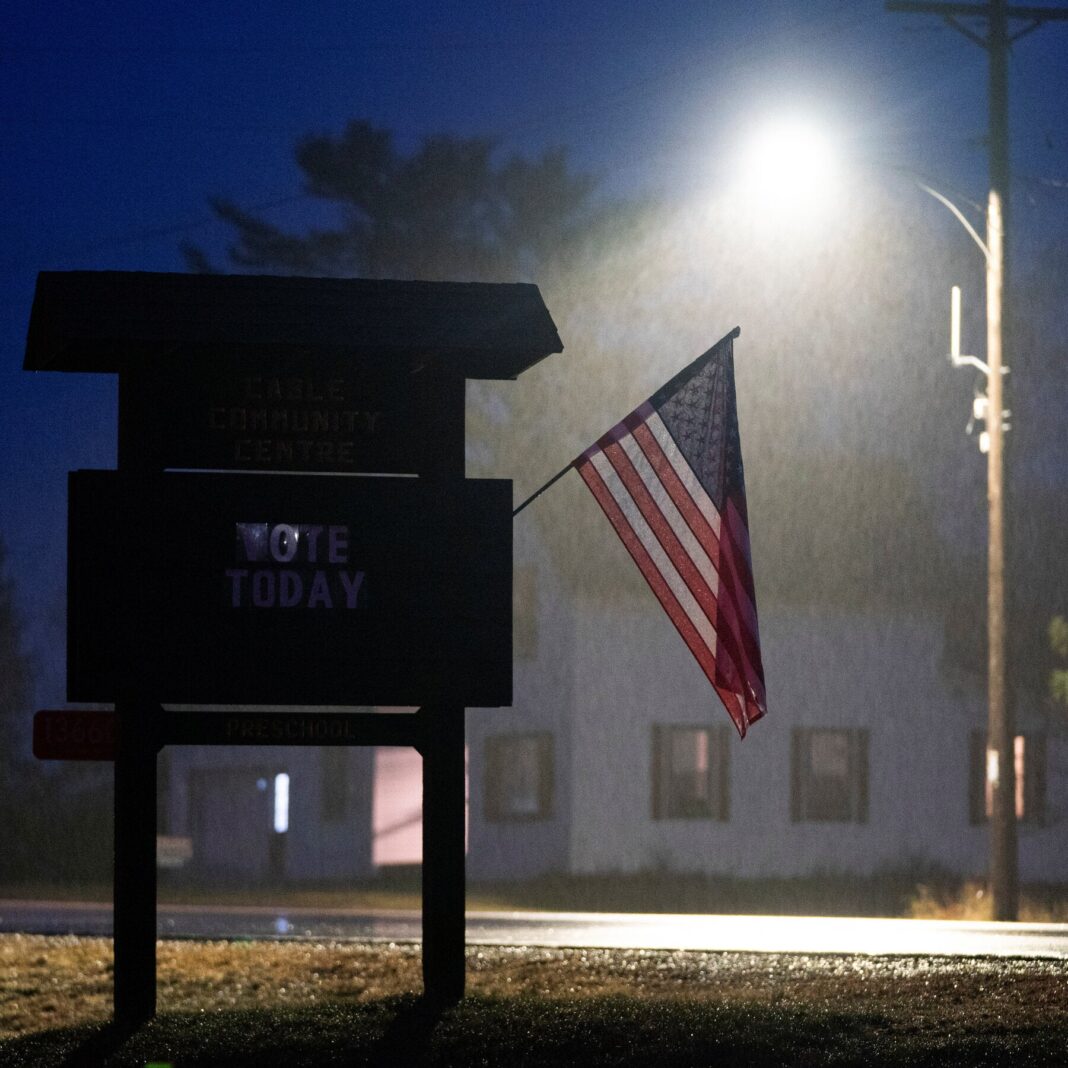
Severe weather may impact voter turnout across several regions on Election Day. Forecasts suggest storms could hit parts of the country as polls open. Election officials are monitoring conditions closely.
Researchers have found that bad weather can deter certain voters from reaching polling stations. Rain and storms often reduce turnout among specific groups. This effect can vary by location and election type.
Local authorities are preparing for potential disruptions at voting sites. Backup plans include generators and relocated polling places. Officials aim to keep all locations open during voting hours.
Voters are encouraged to check local forecasts before heading out. Early voting options may reduce the impact of bad weather. Many states offer alternatives for those unable to vote in person.
Weather-related turnout drops tend to affect marginalized communities more. Transportation barriers and limited flexibility play a role. Researchers continue to study how climate patterns shape election outcomes.
Campaigns are adjusting their get-out-the-vote strategies in response. Some are offering rides and expanded volunteer support. Others are shifting resources to areas with clearer skies.
Election administrators stress that every eligible vote will be counted. Legal protections ensure access despite weather challenges. Officials urge voters not to let forecasts keep them home.