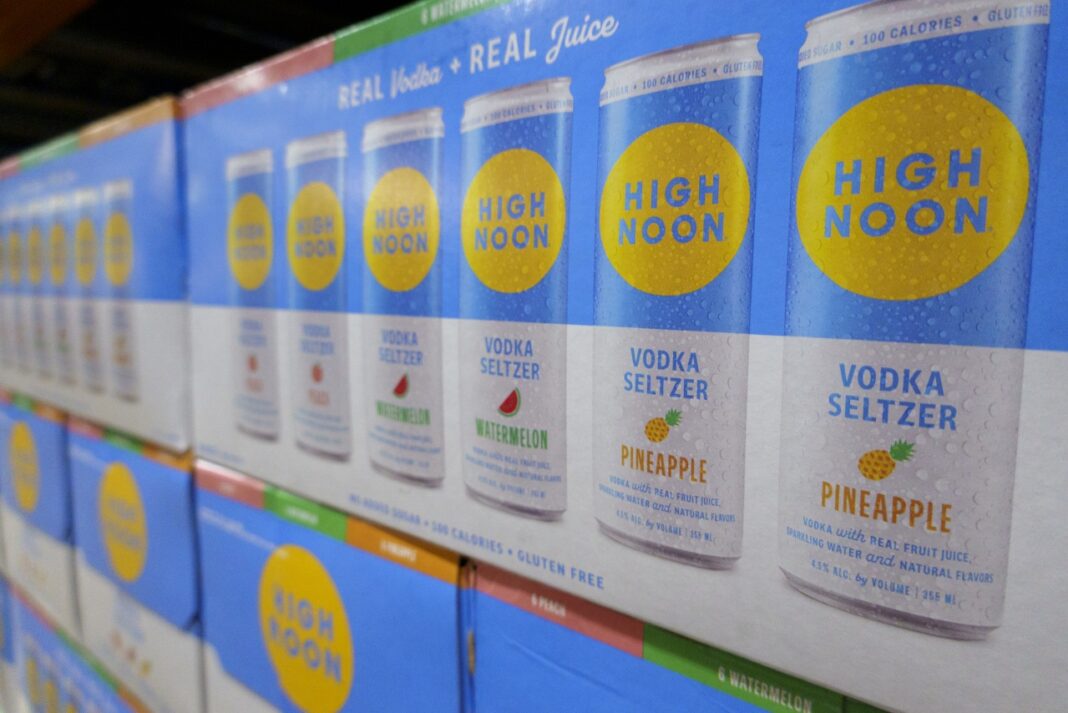
Beer companies have taken the lead in the ready-to-drink beverage market. Liquor giants Diageo and Pernod Ricard were slow to enter the cocktails-in-a-can segment. Investors in both spirits companies are now facing the financial consequences.
The ready-to-drink category has grown rapidly as consumers seek convenient, portable options. Beer makers recognized the trend early and invested in canned cocktail products. Their existing production and distribution networks gave them a significant advantage.
Diageo and Pernod Ricard focused on traditional spirits sales while the canned cocktail market expanded. Both companies have since launched their own products, but they are playing catch-up. Beer brands now hold a strong position in a category once seen as a natural fit for liquor companies.
The shift reflects broader changes in consumer behavior. Drinkers want lower-alcohol, convenient formats that suit outdoor and social occasions. Canned cocktails meet that demand without requiring bar equipment or trained staff.
Distribution plays a central role in the competitive gap. Beer companies already supply retailers, venues, and event spaces with established logistics. Adding canned cocktails to their existing routes was a straightforward move compared to building new channels from scratch.
Investors have taken note of the missed opportunity. Share performance for Diageo and Pernod Ricard has lagged as the canned cocktail boom continues. Analysts point to slow product development and cautious market entry as key factors.
The lesson extends beyond alcohol. Companies that wait to enter fast-growing segments risk losing ground to competitors with better infrastructure. Beer makers showed that adjacency and speed can outweigh category expertise in a shifting market.