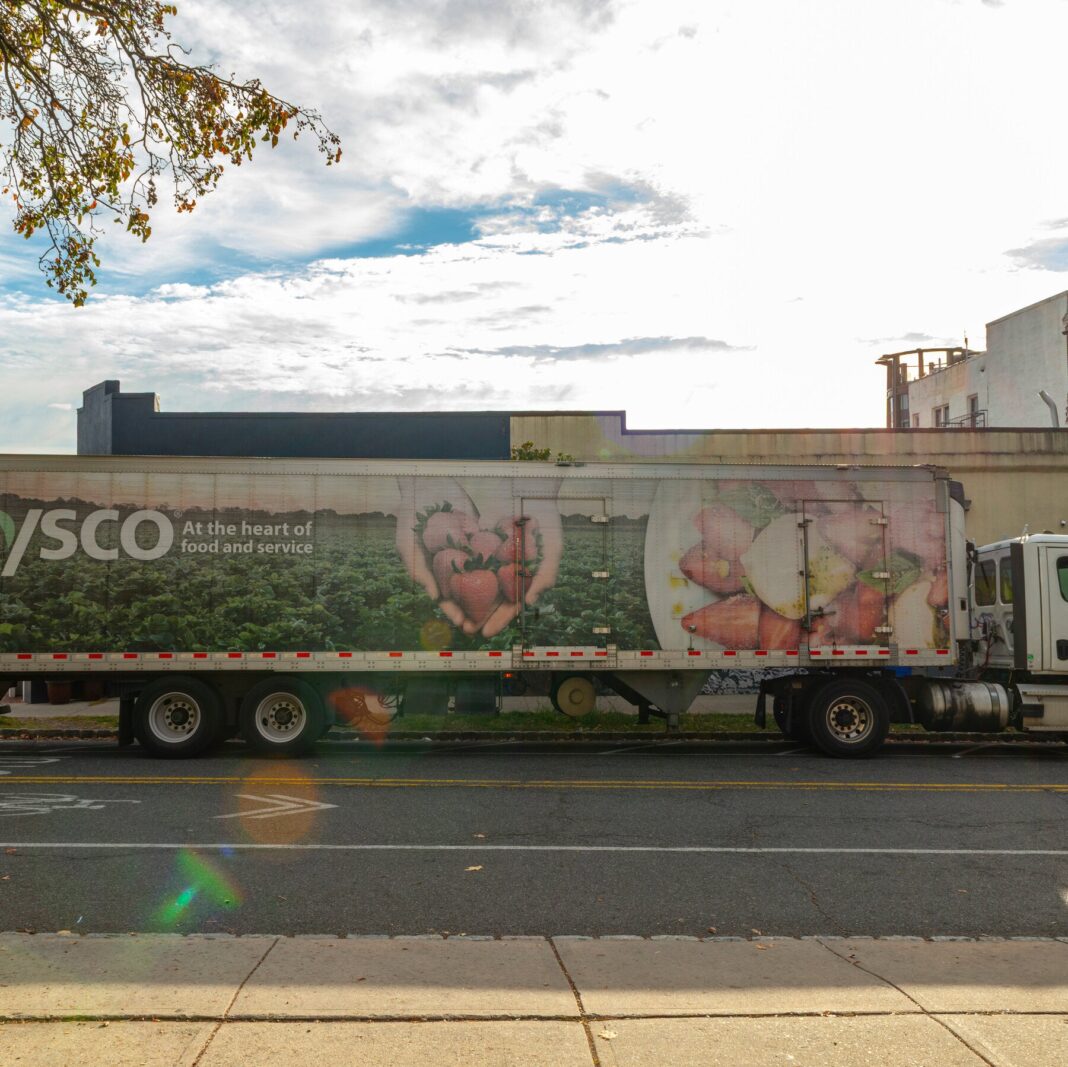
Sysco supplies food to restaurants across the United States, from independent diners to national chains. The company’s scale gives it unusual influence over what appears on menus nationwide. Critics and supporters disagree sharply about what that influence means.
Some restaurateurs say Sysco makes it easier to open and run a small business. Consistent pricing and reliable delivery reduce the risks that sink new ventures. Standardized ingredients also help owners control costs and plan ahead.
Others argue the distributor pushes uniformity across the dining landscape. When many kitchens buy from the same catalog, menus begin to look alike. Regional flavors and local suppliers can lose ground in the process.
The debate touches a deeper question about how food reaches American tables. Consolidation in distribution has reshaped supply chains over the past several decades. Small farms and specialty producers often struggle to compete for shelf space.
Sysco’s reach extends beyond ingredients to logistics, warehousing, and technology. Restaurants depend on that infrastructure to keep kitchens stocked and staffed. Few independent operators can replicate such systems on their own.
Both views may hold part of the truth. Sysco can lower barriers for new owners while narrowing the range of food they serve. The outcome depends on how each restaurant uses the tools available.
The company’s role is likely to draw continued scrutiny as dining habits shift. How small businesses balance convenience against distinctiveness will shape the answer. For now, the question remains open.