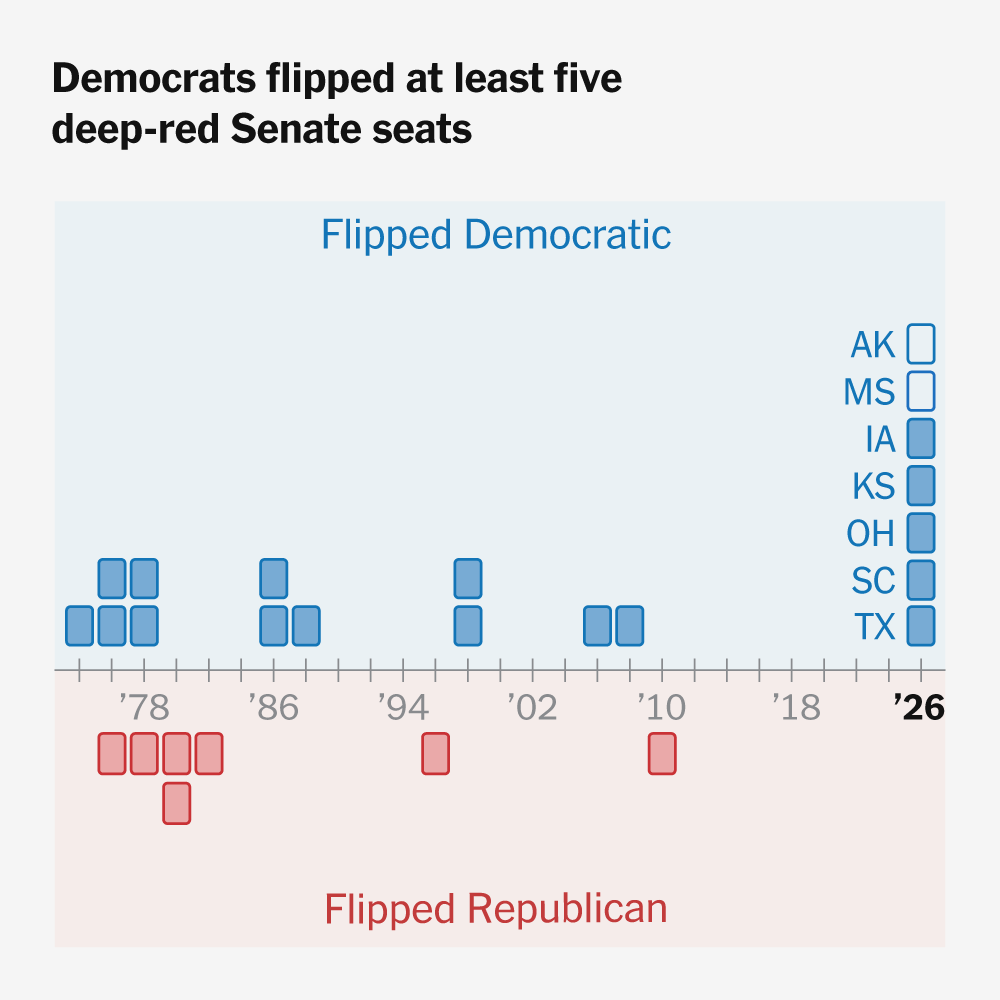
Democrats secured a decisive midterm victory, reshaping the national political landscape. The party’s wins span multiple levels of government and key battleground states. Results signal a major shift in voter sentiment ahead of the next presidential cycle.
The midterm outcome gives Democrats control over several state legislatures and governorships. These gains strengthen the party’s ability to influence redistricting and local policy. Analysts view the results as a clear rejection of the opposing party’s agenda.
Turnout among Democratic voters surged compared to previous midterm elections. Party organizers credit grassroots mobilization and focused messaging on economic issues. The strategy appears to have resonated across urban and suburban districts.
Republican losses extend beyond federal races into state and local contests. Several incumbent lawmakers failed to defend their seats against well-funded challengers. Internal party divisions complicate efforts to regroup before the next election.
The victory carries immediate implications for legislative priorities. Democrats now hold leverage to advance proposals on healthcare, climate, and voting rights. Expect swift action on stalled bills in the coming session.
Political observers note the outcome reflects broader demographic and geographic shifts. Suburban voters continued to move toward the Democratic Party in key regions. Rural areas remain reliably Republican, creating a stark electoral divide.
Democrats must now govern effectively to sustain voter trust. Delivering on campaign promises will test the party’s unity and strategic focus. The midterm win sets the stage for an intense two-year political sprint.