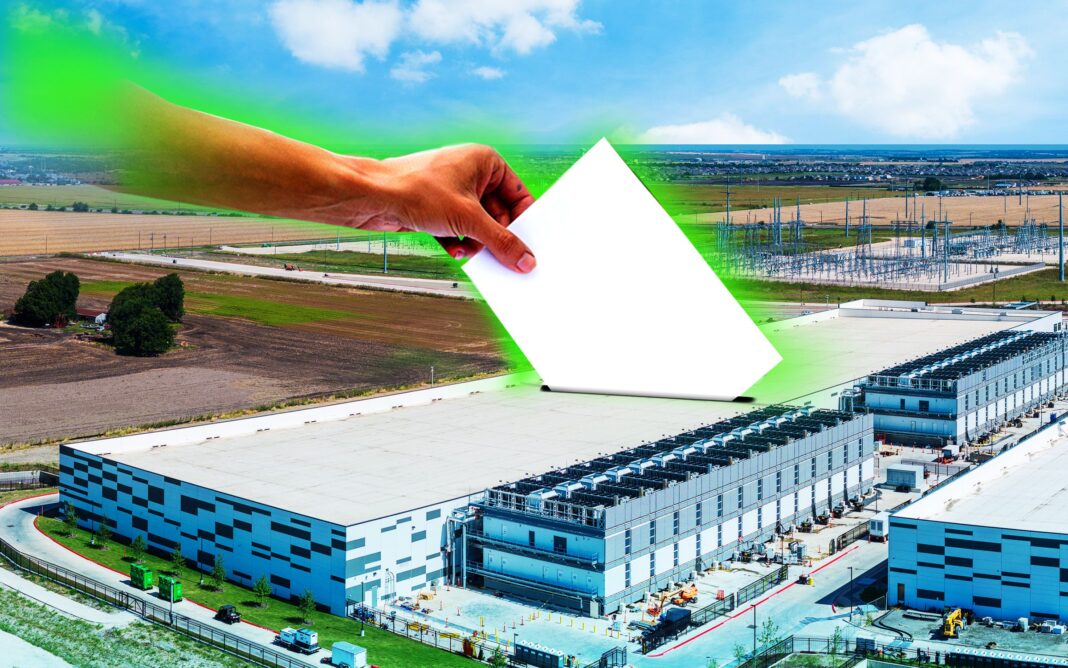
Voters delivered a clear message to the data center industry in the 2026 midterms. Candidates backed by the sector lost races from the national stage down to local ballots. The results suggest public frustration over energy use and land development is now shaping elections.
High-profile Senate contests became referendums on data center expansion. Supporters of large server projects suffered defeats in several key states. Opponents turned the issue into a winning campaign theme.
Local rezoning initiatives fared no better for the industry. Voters rejected proposals to convert farmland and residential areas into server campuses. Turnout on these measures ran unusually high for down-ballot items.
The backlash centers on electricity demand and water consumption. Residents worry that massive facilities strain local grids and raise utility bills. Concerns about noise and tax incentives have also gained traction.
Industry groups spent heavily to defend friendly candidates and ballot measures. That spending failed to overcome grassroots opposition in most contested races. Analysts say the results mark a shift in how voters view tech infrastructure.
Data center developers now face a tougher political landscape in many regions. Local officials are likely to demand stricter conditions for new projects. Companies may need to address community concerns earlier in the planning process.
The midterm outcomes could slow construction timelines in politically sensitive areas. Some operators are already exploring alternative sites with less public resistance. The industry’s growth path now runs through the ballot box as much as the boardroom.