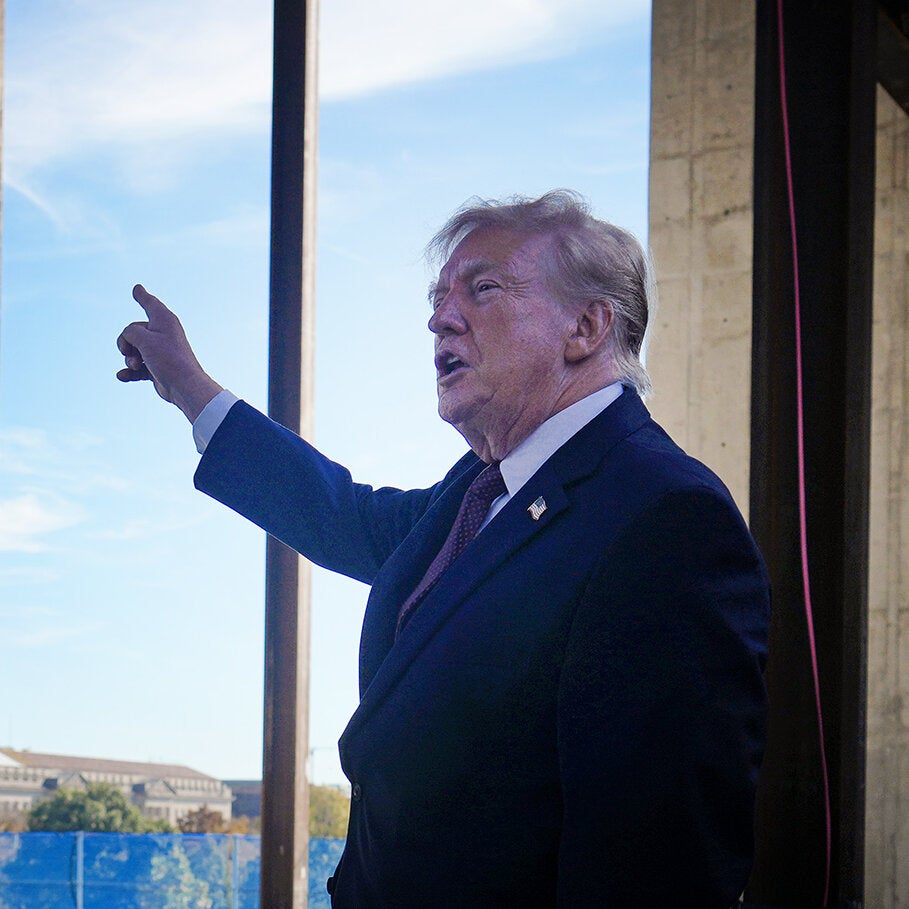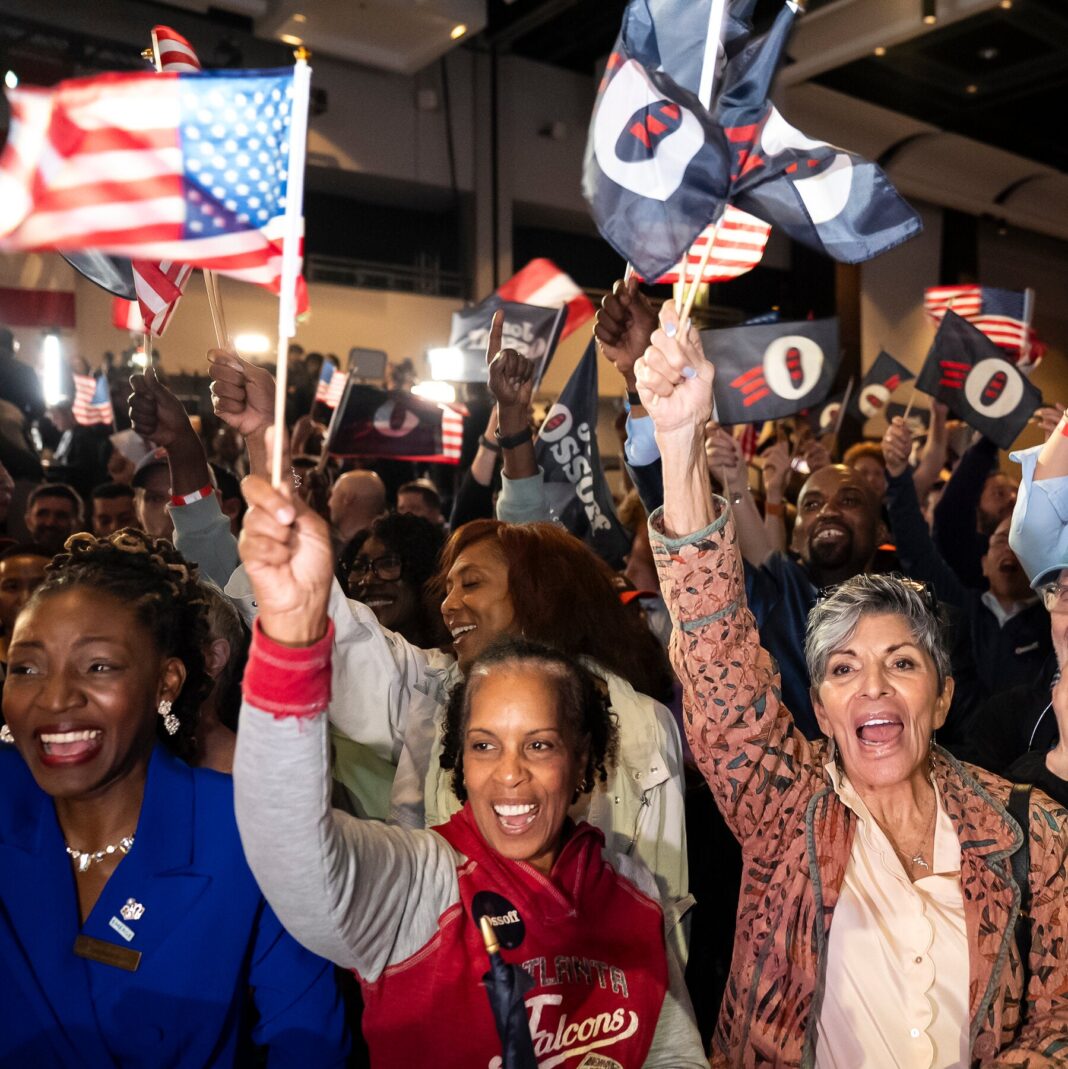
Democrats have secured control of Congress after a sweeping midterm victory. The win gives the party a platform to challenge two years of expanded presidential authority. Party leaders say they intend to act quickly.
Republicans largely declined to push back against Trump’s use of executive power. That deference allowed the White House to reshape spending, immigration enforcement, and agency oversight. Democrats argue the balance between the branches shifted too far toward the president.
The new majority plans to use subpoena power and committee hearings to scrutinize executive actions. Oversight of federal agencies is expected to intensify. Lawmakers also want to tighten reporting requirements for emergency declarations.
Legislative remedies remain the central focus. Democrats are drafting bills to reclaim authority over tariffs and military deployments. Leadership has signaled that spending negotiations will serve as a key pressure point.
Constitutional scholars describe the move as an effort to restore Article I powers. They note that Congress has ceded ground to the executive branch across multiple administrations. Reclaiming that ground will require sustained institutional effort.
Republicans warn that aggressive oversight could stall key priorities. They argue that divided government often produces gridlock rather than accountability. Some moderates have called for a more measured approach.
The political stakes extend beyond Washington. Voters in several swing districts cited checks on presidential power as a top concern. Democrats see the midterm results as a mandate for rebalancing federal authority.