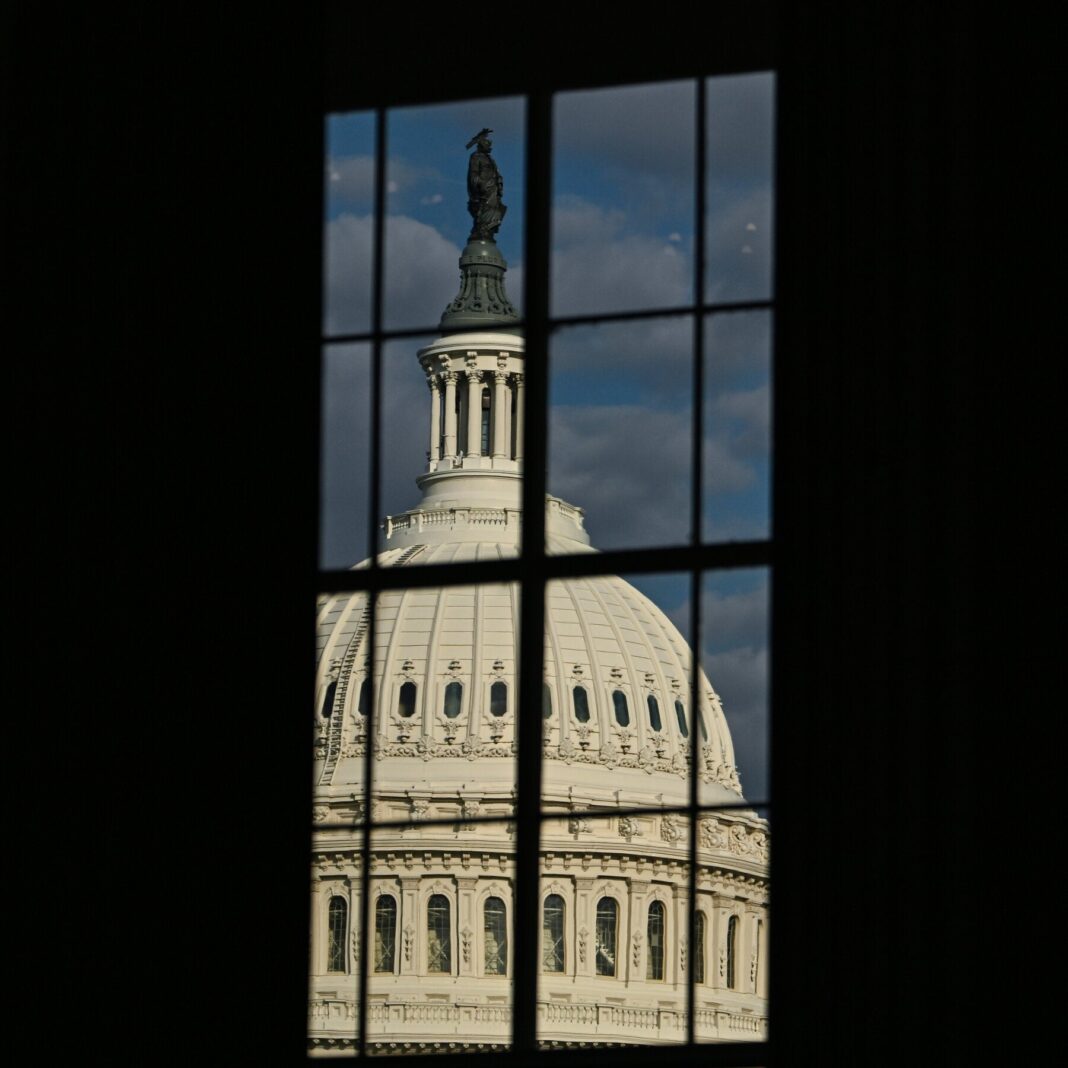
Trump administration officials are urging Congress to renew a controversial warrantless surveillance law before the current session ends. The push comes during the lame-duck period, as Republican control of Congress winds down. The request adds a difficult political issue to an already crowded legislative calendar.
The law at the center of the debate is Section 702 of the Foreign Intelligence Surveillance Act. It allows intelligence agencies to collect communications from foreign targets without a warrant. The program has drawn scrutiny from privacy advocates and some lawmakers across party lines.
Renewing the law during a lame-duck session presents logistical and political challenges. Time is limited, and competing priorities will compete for floor attention. Republican leaders must weigh the risks of a rushed vote against the consequences of letting the authority lapse.
Supporters argue the surveillance tool is essential for national security. They say it helps detect terrorist plots, cyber threats, and foreign espionage. Intelligence officials warn that a lapse could blind agencies to emerging dangers.
Critics contend the program lacks sufficient oversight and can sweep in Americans’ communications. Civil liberties groups have called for major reforms before any renewal. Some legislators want warrant requirements for queries involving U.S. persons.
The White House has signaled it will press hard for a clean extension. Officials have briefed lawmakers on the program’s operational value in recent weeks. Behind-the-scenes negotiations are ongoing over possible compromises.
A short-term extension remains one possible outcome if a full renewal cannot pass. That approach would punt the debate into the next Congress. For now, the issue hangs over the lame-duck agenda with no clear resolution in sight.