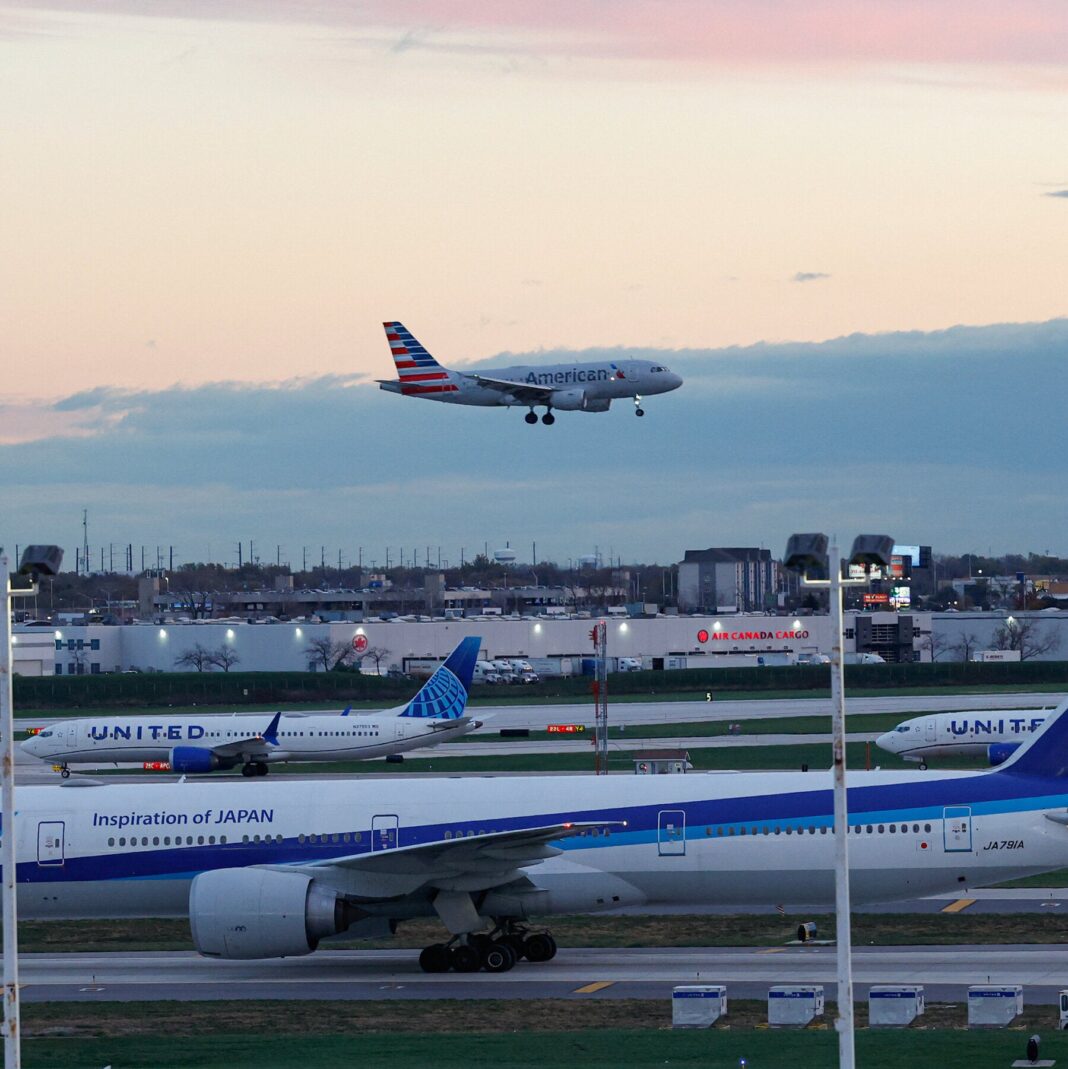
Pilots largely stayed in contact with air traffic controllers during a nationwide ground stop that halted departures for nearly five hours. Radio communications with controllers remained available throughout the disruption. Crews also reached airline staff on the ground.
The outage prompted aviation authorities to pause departures across the country while systems were restored. Flights already in the air continued to their destinations under normal controller guidance. The halt applied to new departures rather than airborne traffic.
Contact between cockpits and controllers is a core safety layer in commercial aviation. Pilots relay position, altitude and intentions over dedicated radio frequencies. Those links stayed open even as departure operations stopped.
Airlines used ground staff to coordinate with crews waiting at gates and on taxiways. Gate agents and dispatchers passed along timing and routing updates. That ground contact helped crews manage delays during the pause.
The disruption unfolded over roughly five hours before departures resumed. Passengers faced delays and schedule changes at airports nationwide. Carriers worked to reposition aircraft and crews afterward.
The incident highlighted how dependent the system is on coordinated communication between air and ground. Controllers manage separation in the sky while airlines handle logistics on the ground. Both channels matter when operations stop.
Investigators are expected to review what caused the outage and how communications held up. The episode offers a case study in how aviation responds when normal departure flow is interrupted.