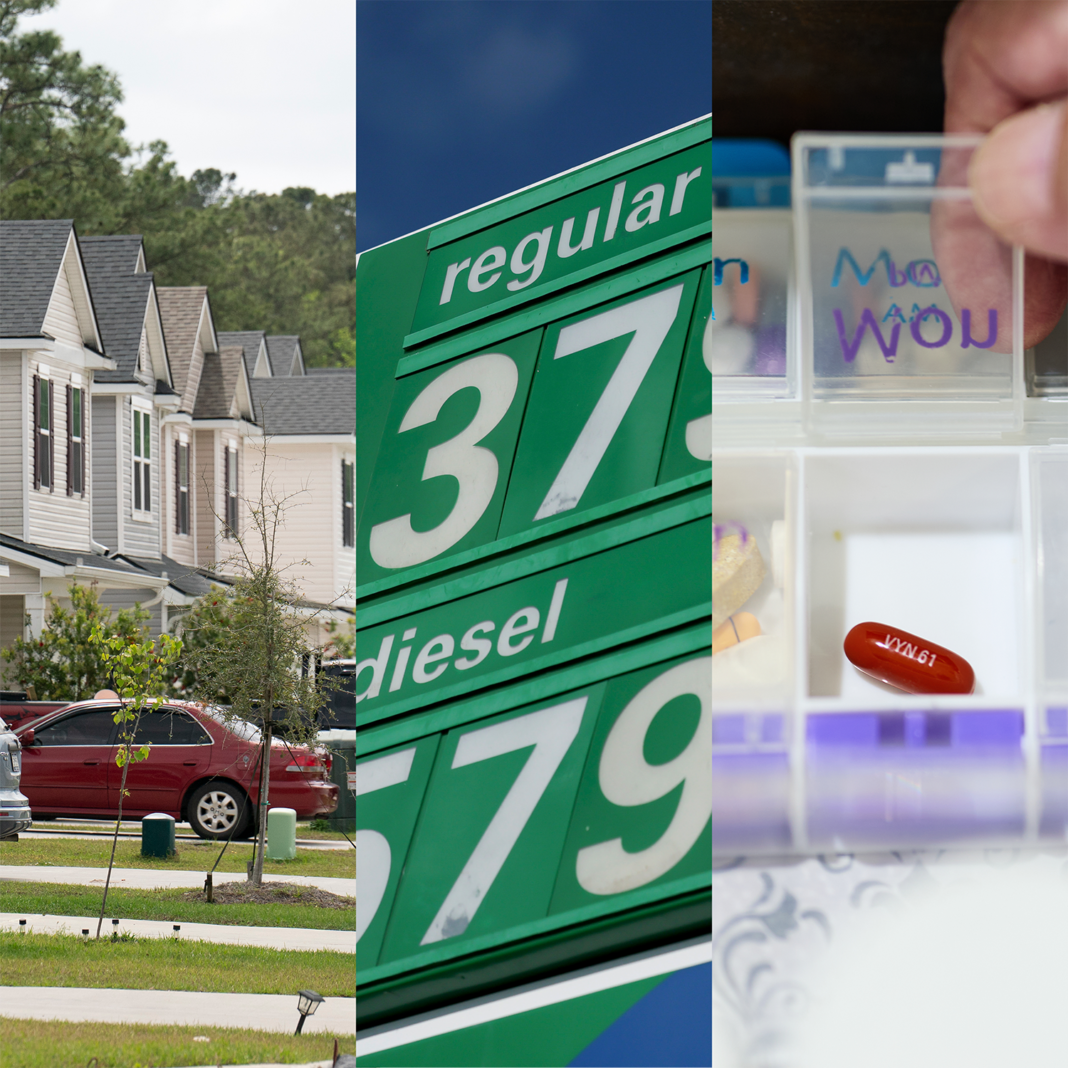
Democrats campaigned on bringing down the cost of living. The party now faces questions about which tools it can actually use.
Three reporters examined the options in a recent discussion. They focused on what Democrats can realistically accomplish on prices.
Inflation has cooled from its peak, but voters still feel pressure from high costs. Housing, groceries, and health care remain top concerns.
Democrats have proposed measures targeting specific expenses. These include caps on drug costs and incentives for housing construction.
Most price levers sit outside direct political control. Monetary policy belongs to the Federal Reserve, not the White House or Congress.
Congress can pass subsidies and tax credits that ease costs for families. Such measures require fiscal room and enough votes to pass.
Trade policy also affects prices, though tariffs often raise costs rather than lower them. Supply chain investments aim to ease bottlenecks over time.
The reporters concluded that Democrats hold limited but real tools. The scale of relief depends on which policies survive the legislative process.