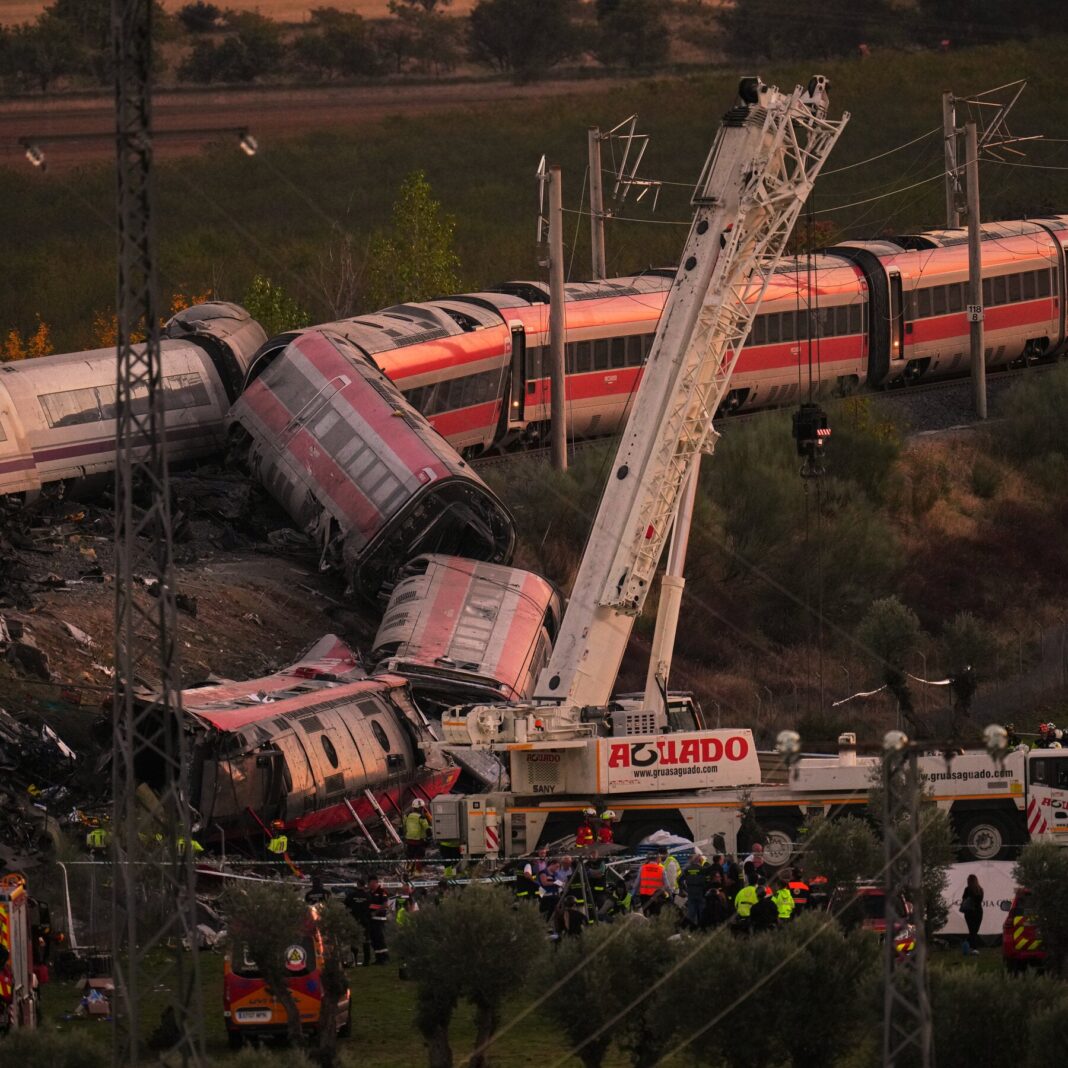
Spain’s high-speed rail network is facing scrutiny after a deadly train crash renewed questions about the pace of its expansion. The disaster has pushed rail safety and infrastructure spending into the center of a looming election.
The accident has sparked debate over whether maintenance kept up with the system’s rapid growth. Critics argue that construction outpaced investment in upkeep and safety systems. Supporters say the network remains among the safest in Europe.
Spain operates one of the largest high-speed rail networks in the world. It expanded quickly over the past two decades to connect smaller cities and growing regions. That growth coincided with a rising population and increased demand for travel.
Officials are now reviewing inspection records and maintenance schedules across the network. The government has pledged a full investigation into the crash. Findings are expected to shape future funding decisions.
The debate reflects a broader tension in several countries expanding rail quickly. Building new lines often draws more political attention than maintaining existing ones. Experts warn that maintenance gaps can take years to surface.
Rail unions have called for more staff and better equipment for routine checks. They say budget pressures have strained inspection teams in some regions. Transport officials dispute claims of systemic neglect.
As the election approaches, parties are competing to frame the crash as a failure of oversight or an unavoidable tragedy. Voters are weighing rail safety alongside other domestic issues. The outcome could influence the next phase of infrastructure policy.