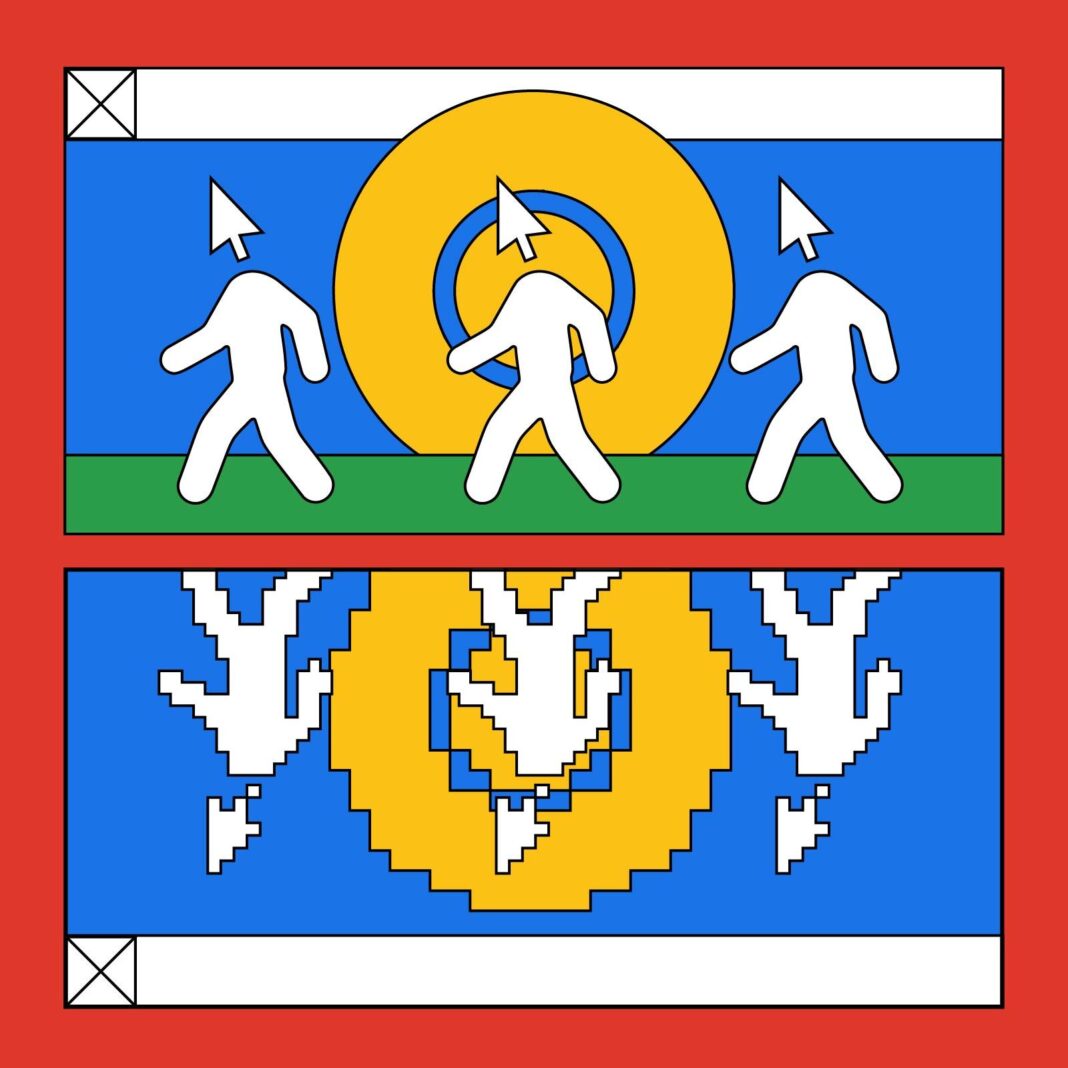
Google has created a replica of the internet to train its Chrome AI agents safely. The alternate-universe network acts as a large sandbox for testing automated browsing tools. This setup lets the Chrome team train agents without risking real-world harm.
The mirror internet simulates websites and online services at scale. Chrome AI agents practice navigating these synthetic pages before touching the live web. The controlled environment prevents agents from going rogue during training.
Building a parallel internet requires replicating vast amounts of web content and behavior. Google’s version gives agents realistic scenarios to learn from without exposing real users or data. The sandbox can be reset and monitored at any time.
Training AI browsing agents on the open internet carries serious risks. An agent could make unintended purchases, leak information, or disrupt services. The mirror dimension removes those dangers by containing all activity inside a closed system.
The Chrome team uses this sandbox to teach agents how to handle complex tasks. Agents learn to fill forms, compare products, and follow multi-step instructions. Each action is tested against simulated sites that mimic real-world complexity.
Google’s approach reflects a broader industry challenge of testing autonomous software safely. Other companies also build simulated environments for AI training. The difference here is the scale and focus on everyday web browsing.
The mirror internet does not replace real-world testing entirely. Agents eventually move to live sites under close supervision. The sandbox shortens the learning curve and reduces failures during that transition.
For now, the project remains a research tool inside Google. Its existence shows how seriously the company treats AI agent safety. The sandbox model may become a standard practice for training browsing agents across the industry.