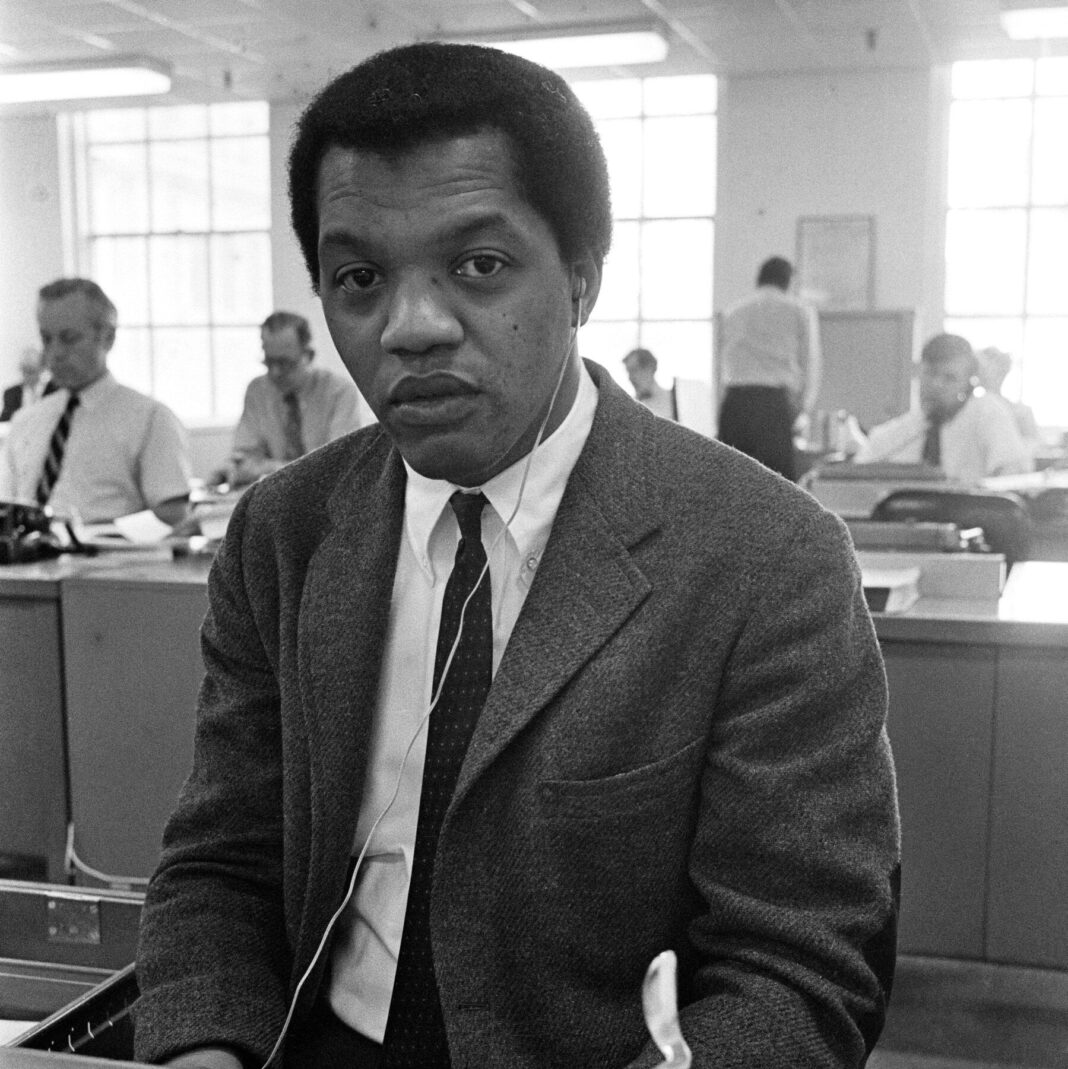
A 1972 Supreme Court case reshaped protections for journalists and their confidential sources. The ruling came amid an F.B.I. campaign against the Black Panthers.
The case centered on whether reporters could shield the identities of their sources. The court’s decision limited that protection in significant ways.
One justice declined to recuse himself despite a potential conflict of interest. That choice proved pivotal to the outcome.
The ruling gave prosecutors more power to compel journalists to testify. It also left reporters facing jail time for protecting sources.
Legal scholars have revisited the case in recent years. New research highlights how the F.B.I. campaign influenced the proceedings.
The decision still shapes how courts handle press freedom disputes today. It remains a landmark moment in media law.
Journalists continue to cite the case in arguments over source protection. Its legacy endures in ongoing debates about confidentiality.