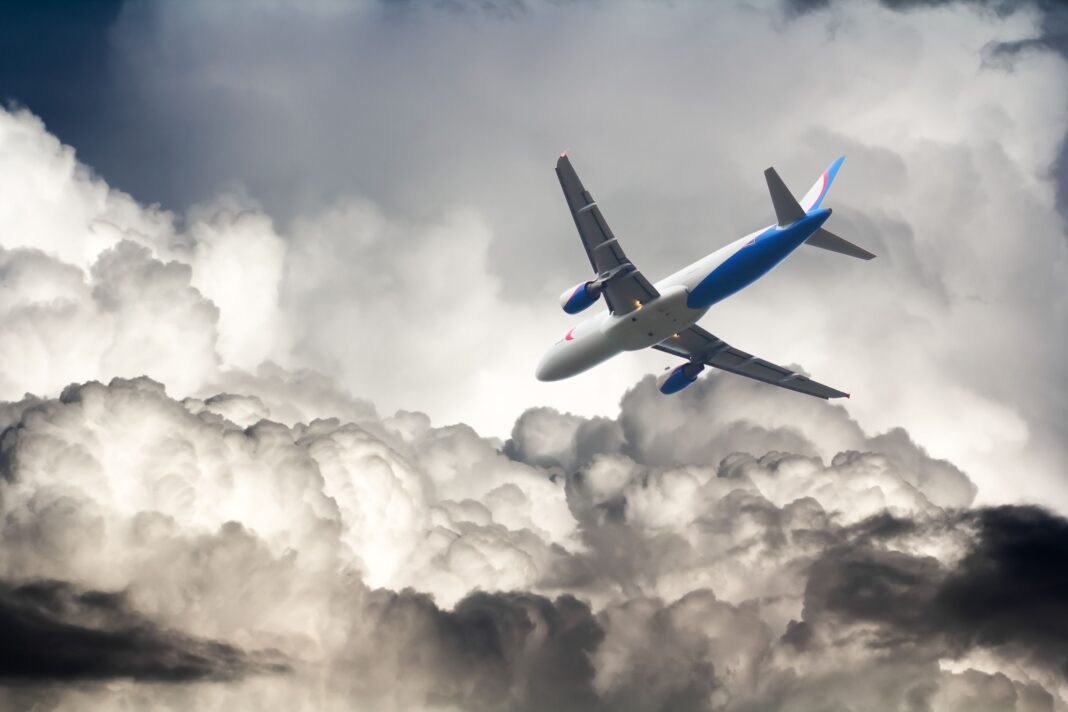
Airplane turbulence remains one of the hardest problems in classical physics. It causes injuries and costly damage every year. Scientists are now turning to big data and machine learning for better forecasts.
Traditional models rely on limited atmospheric readings. These models often miss sudden clear-air turbulence. Passengers and crews rarely get advance warning.
Terabytes of crowdsourced data are changing the picture. Sensors on commercial flights collect real-time turbulence reports. This creates a growing database of actual flight conditions.
Machine learning tools analyze these massive datasets. They identify patterns that conventional physics models overlook. The approach improves prediction accuracy over time.
AI systems can now flag turbulence risks earlier. Airlines could use these alerts to adjust routes. Passengers may see fewer delays and safer flights.
Researchers caution that the technology is still developing. More data and testing are needed before widespread adoption. Clear-air turbulence remains especially difficult to detect.
The combination of crowdsourcing and AI offers real promise. It could transform how aviation handles one of its oldest weather hazards. Further studies will show how quickly these tools reach everyday flights.