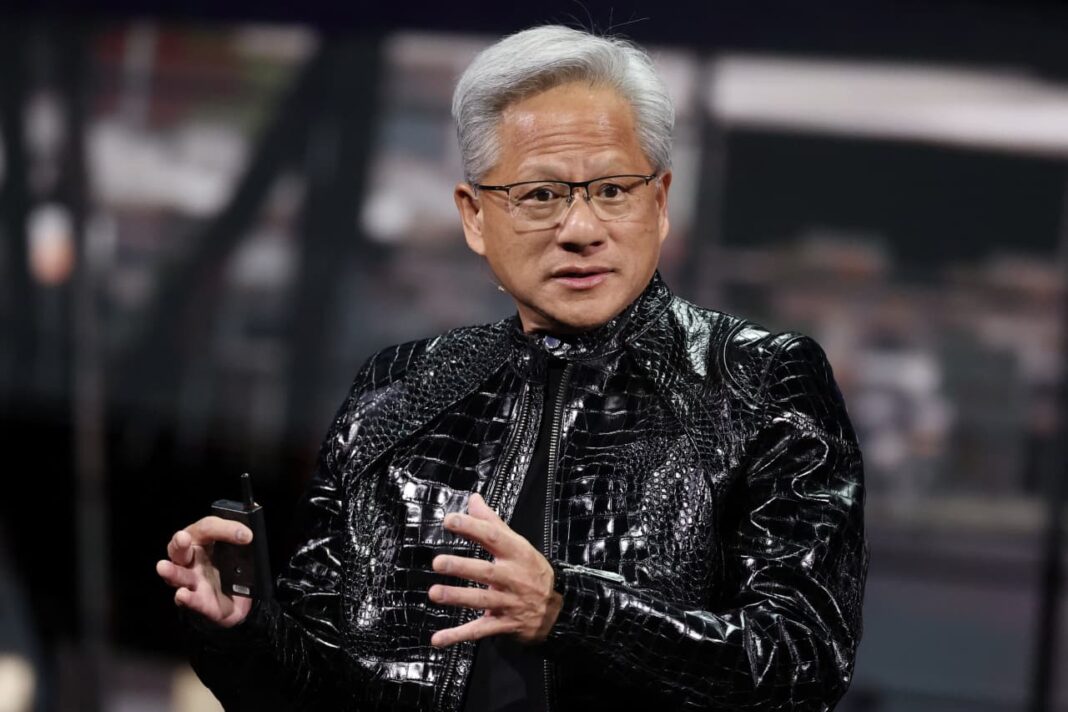
Nvidia CEO Jensen Huang has become a central figure in global financial markets. His company’s soaring valuation now influences retirement accounts far beyond Silicon Valley. That concentration of influence raises uncomfortable questions about market dependency.
A single executive’s vision drives much of the artificial intelligence boom. Investors have poured billions into Nvidia shares, treating Huang’s forecasts as market signals. Retirement funds tracking broad indexes now carry heavy Nvidia exposure.
The setup is unusual for a futurist. Huang built a company where decision-making authority flows almost entirely through him. Analysts note that Nvidia’s strategy, products, and public messaging remain tightly tied to his personal direction.
Corporate governance experts point to the risk. Few public companies of Nvidia’s size concentrate so much influence in one leader. Succession planning and independent oversight receive less attention than the company’s growth story.
Retail investors rarely consider this when reviewing their 401(k) statements. Index funds and target-date portfolios hold Nvidia automatically. Few savers realize how much of their future depends on one firm’s leader.
The AI chipmaker’s rise has reshaped entire portfolios. Fund managers who once diversified across sectors now find Nvidia at the top of their holdings. Passive investing amplifies the effect by funneling steady contributions into the stock.
Market historians see parallels to past booms. Concentration in a handful of names has preceded sharp corrections before. The question is whether Nvidia’s lead justifies the weight it carries in ordinary savings.
Huang’s influence extends past Nvidia’s balance sheet. His public comments move markets and shape expectations across the tech sector. That reach gives one executive unusual sway over household finances.
For now, the arrangement continues without major challenge. Investors accept the concentration as the price of participating in the AI economy. Whether that confidence holds through the next downturn remains untested.