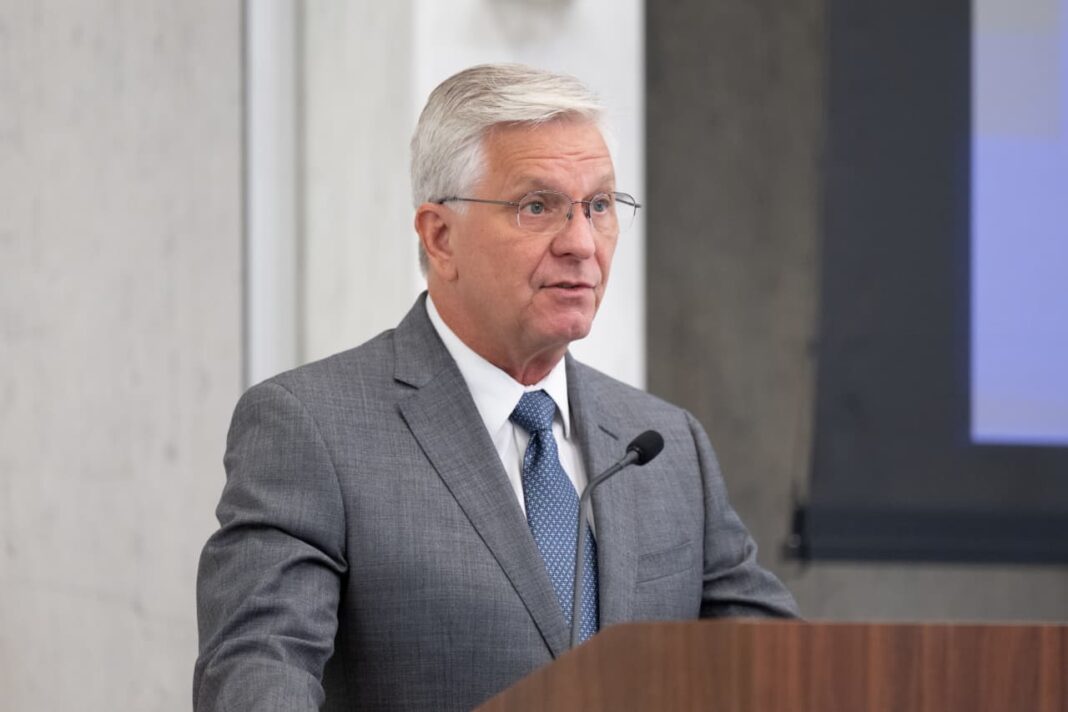
Federal Reserve Governor Christopher Waller expressed a more cautious stance on future interest rate cuts. He highlighted significant concerns about persistent inflationary pressures.
Waller pointed to the recent surge in oil prices, linked to conflict in the Middle East, as a key risk. He also cited the lingering economic effects of U.S. tariffs on imported goods. These combined forces could disrupt progress on lowering inflation.
The governor warned these factors might “lead to a more lasting increase in inflation.” This scenario would present a major challenge for the Fed’s policy goals. It complicates the path toward stabilizing prices.
Such enduring inflation would likely prevent the central bank from lowering borrowing costs. The Fed might need to maintain higher interest rates for a longer period. This approach would aim to restrain economic demand and curb price growth.
Waller’s comments signal a shift in tone among Fed officials. The focus is increasingly on the risks of cutting rates too soon. Premature easing could allow inflation to become entrenched.
His remarks underscore the data-dependent nature of current policy. Future decisions will hinge on incoming economic reports, especially on prices and employment. The path forward remains uncertain.
Financial markets closely watch these developments for clues on the timing of any policy shift. Waller’s cautious outlook suggests investors may need to wait longer for rate relief. The priority for now is ensuring inflation is decisively tamed.