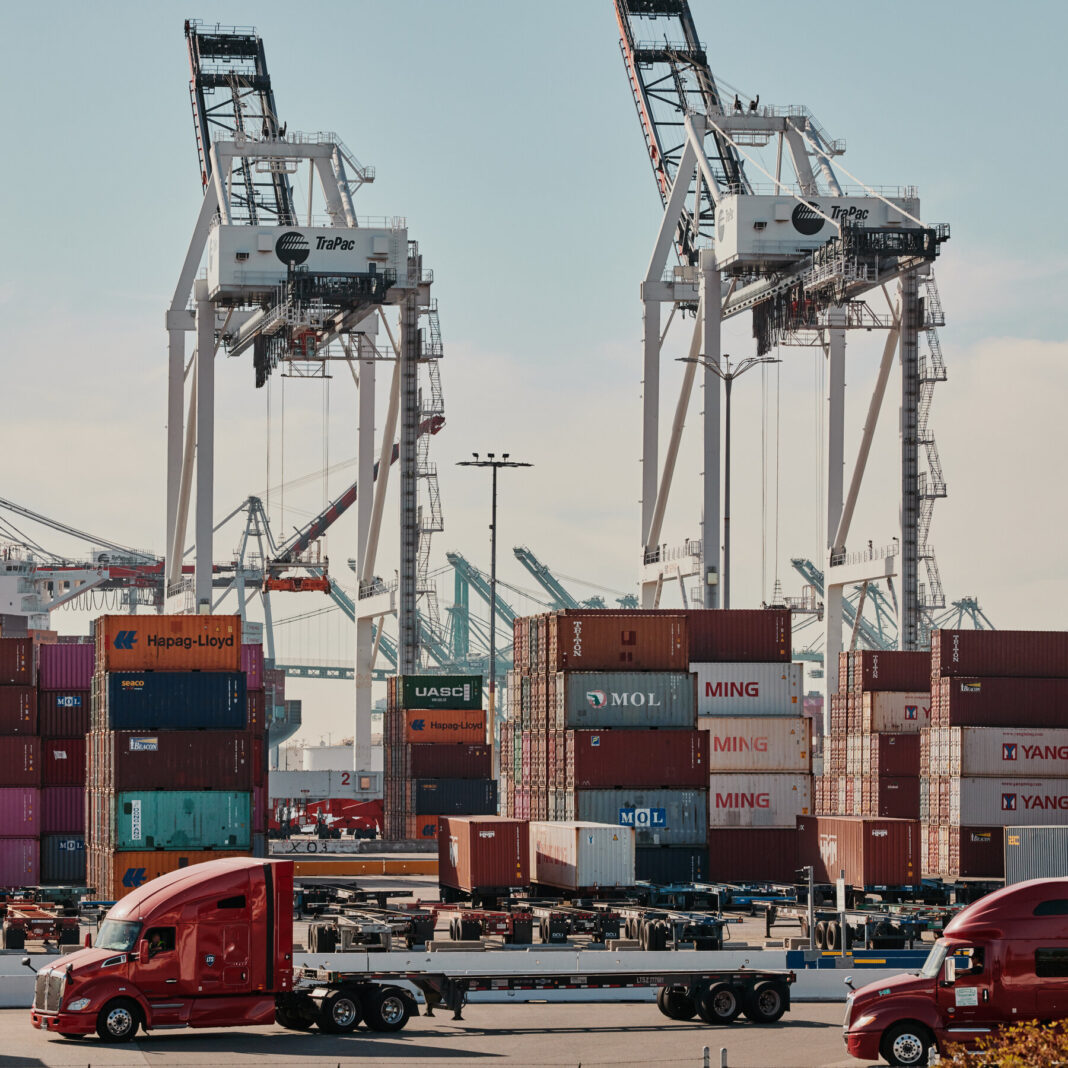
The war in Iran has disrupted global diesel supplies far more severely than gasoline. Diesel fuels trucks, farming equipment, and industrial machinery. Gasoline is used mainly in passenger cars. That difference has created a widening economic problem.
Diesel powers the backbone of modern economies. Without it, goods cannot be transported, crops cannot be harvested, and construction sites grind to a halt. Gasoline shortages primarily inconvenience commuters. Diesel shortages threaten entire supply chains.
Iran’s conflict has cut off a significant share of global diesel production. Refineries in the region have halted operations. Shipping routes through the Persian Gulf remain dangerous. This has squeezed diesel inventories worldwide.
The effects are already visible in higher costs for shipping and freight. Trucking companies face surging fuel expenses. Farmers struggle to run harvesters and irrigation pumps. These rising costs get passed down to consumers.
Unlike gasoline, diesel is not easily replaced by alternatives. Electric trucks remain rare. Renewable diesel production is limited. The global economy remains heavily dependent on diesel for heavy work.
The situation could worsen if the conflict drags on. Strategic diesel reserves in many countries are limited. Governments may need to ration supplies or subsidize costs. That would add further strain to national budgets.
In contrast, gasoline markets have absorbed the shock relatively well. Passenger car drivers see higher prices but fewer shortages. The divergence between the two fuels underscores diesel’s critical role.