Candidates for California Governor Debate: 5 Takeaways
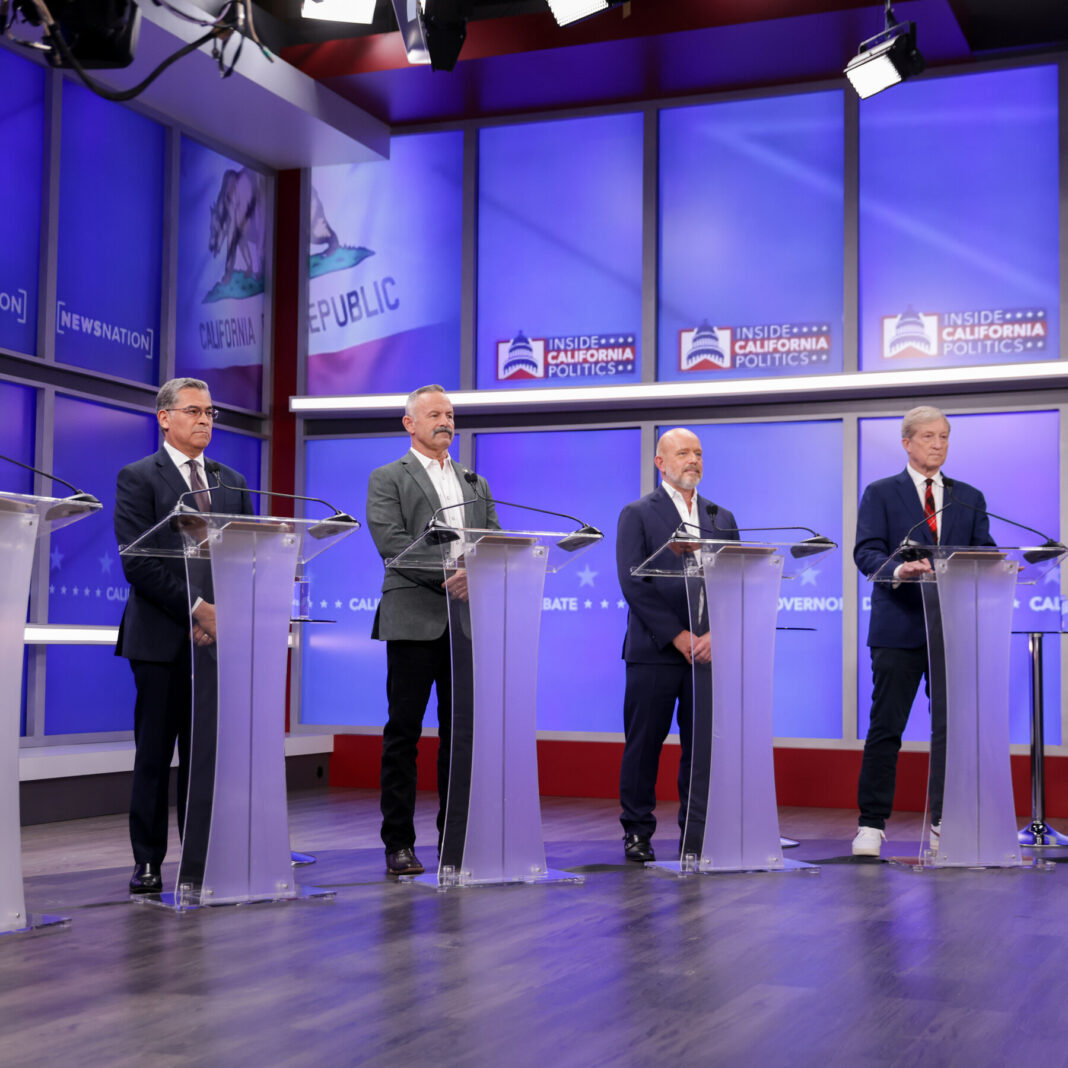
A nonpartisan primary remains volatile after the departure of candidate Eric Swalwell. A televised debate featured six leading contenders, but produced few fireworks.
The field narrowed to nine major candidates without Swalwell, reshaping the race dynamics. Event moderators pressed candidates on homelessness, crime, and the state’s budget deficit.
Democratic contenders largely agreed on climate policy and abortion rights, but differed sharply on public safety. Candidate Toni Atkins called for more mental health funding, while others urged stricter penalties.
Republican candidates challenged the state’s high taxes and housing costs. They proposed rolling back regulations and expanding school choice, drawing support from conservative voters in the audience.
No clear frontrunner emerged, as candidates avoided direct attacks. The top four candidates polled within single digits of each other, leaving the primary race wide open.
Economic revival was a unifying theme, with each candidate offering plans for job growth. Several discussed supporting green energy industries as a way to boost the state’s economy.
Criminal justice reform created the sharpest split among Democratic candidates. Some advocated for ending cash bail, while others emphasized holding repeat offenders accountable.
The debate lacked the combative exchanges seen in previous cycles. Several candidates used their closing statements to appeal to moderate voters and independents.
California’s primary election is scheduled for June, with the top two candidates advancing to the general election. Early voting begins in May.