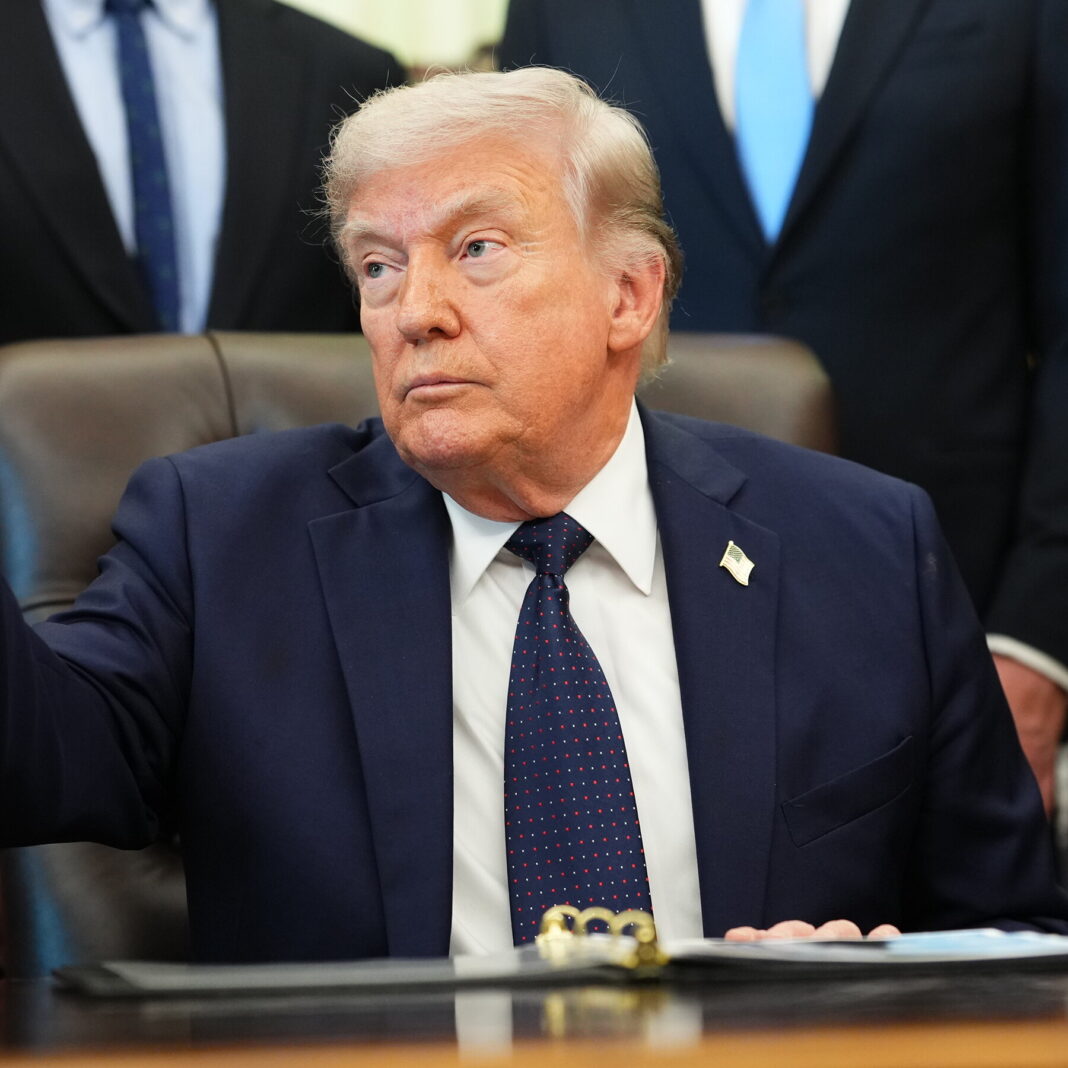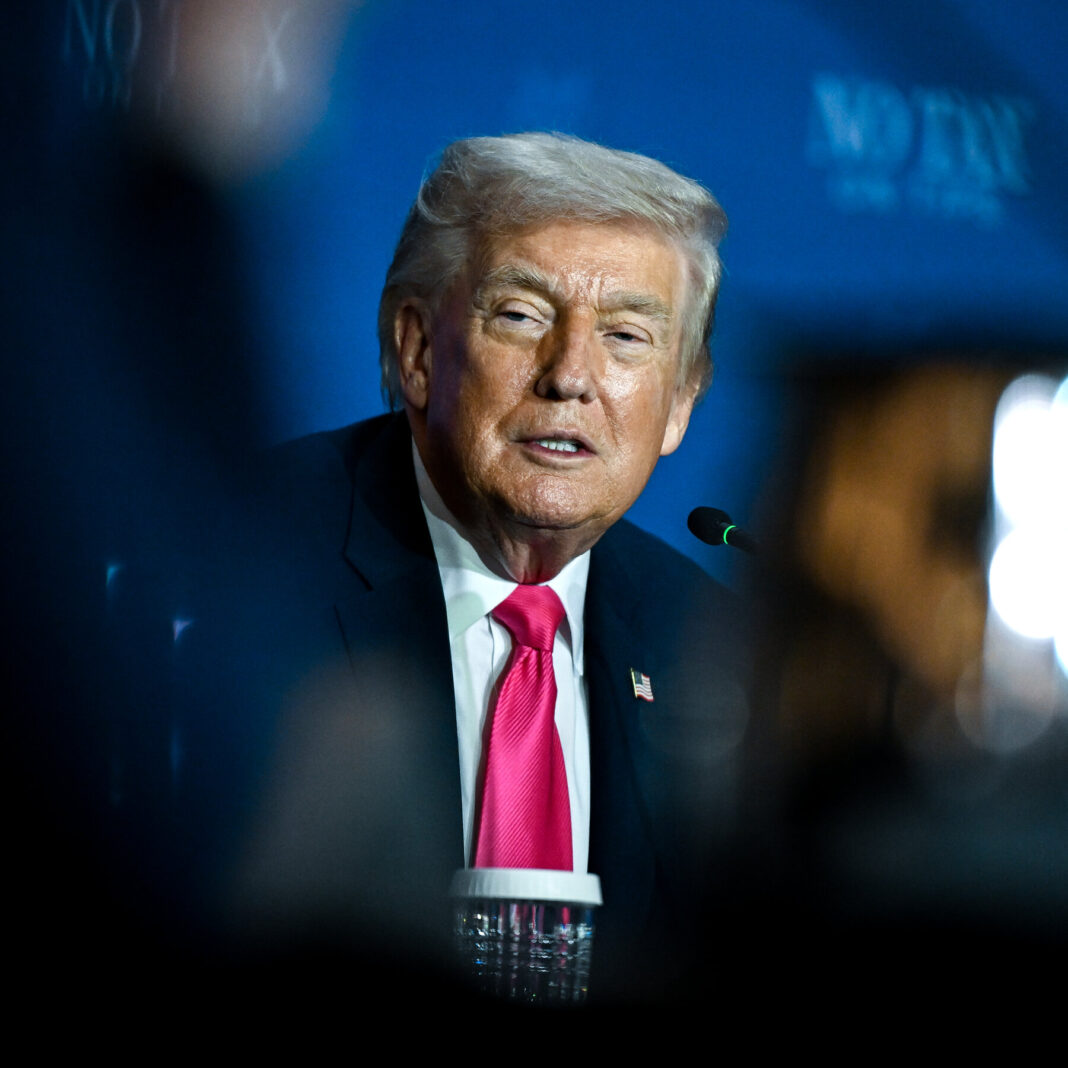
Former President Donald Trump sparked widespread backlash after reposting an anti-immigrant tirade that labeled China and India as “hellhole” places. The post shared a podcast episode where the host used the derogatory term to describe the two nations.
The incident occurred on social media, where Trump amplified the inflammatory language without offering any clarification or condemnation. The podcast host’s remarks drew immediate criticism from political leaders and advocacy groups.
China’s foreign ministry responded sharply, denouncing the comments as disrespectful and baseless. Officials called for an end to what they described as xenophobic rhetoric targeting the country and its people.
Indian government representatives also expressed strong disapproval. They emphasized the importance of mutual respect between nations and condemned the use of such language in public discourse.
The controversy reignited debates about immigration policy and racial sensitivity in political communication. Critics accused Trump of fueling divisive narratives that harm diplomatic relations and foster prejudice.
Supporters of the former president defended the post, arguing it reflected concerns about immigration from certain regions. They claimed the remarks were taken out of context and not intended to offend entire nations.
The episode highlighted ongoing tensions over how immigration is discussed in American politics. It also underscored the global impact of rhetoric from high-profile political figures on international relations and public perception.