
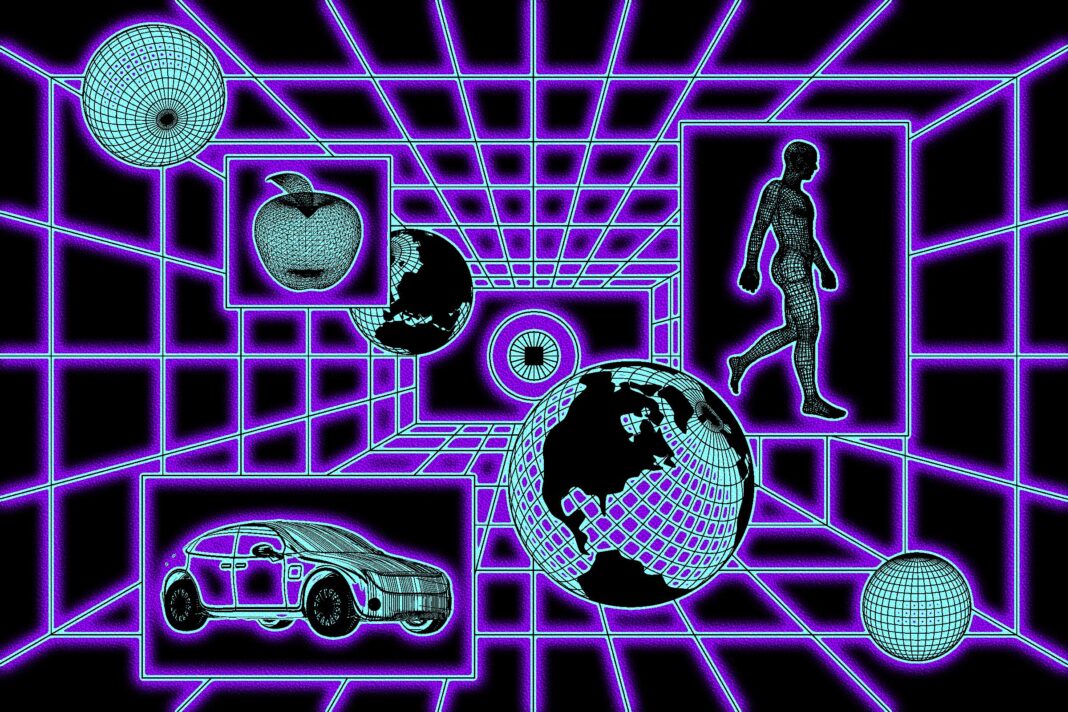
World models are AI systems that build internal representations of physical environments. They simulate real-world physics to predict how objects and spaces behave. This marks a shift from text-based AI toward spatial intelligence.
The technology powers robots and autonomous vehicles by letting them test actions virtually. Machines learn to navigate reality without costly real-world trial and error. Simulation provides a safe space for repeated practice.
Training robots in the physical world is slow and expensive. World models compress that learning into fast digital rehearsals. Errors cost nothing in simulation and can be corrected instantly.
Autonomous cars use these models to anticipate pedestrian movement and road hazards. Robots rely on them to grasp objects and plan paths through cluttered rooms. Each scenario is predicted before it happens.
The approach differs from large language models, which work with text. World models process spatial data such as depth, motion, and object relationships. They answer questions about what happens next in a scene.
Early systems already generate interactive 3D environments from video and sensor data. Researchers use them to train machines faster and at lower cost. Accuracy remains a key challenge for safety-critical tasks.
Expect world models to become embedded in robotics, logistics, and transportation. As simulation improves, the gap between virtual training and real-world performance will narrow. The technology will soon be hard to avoid.