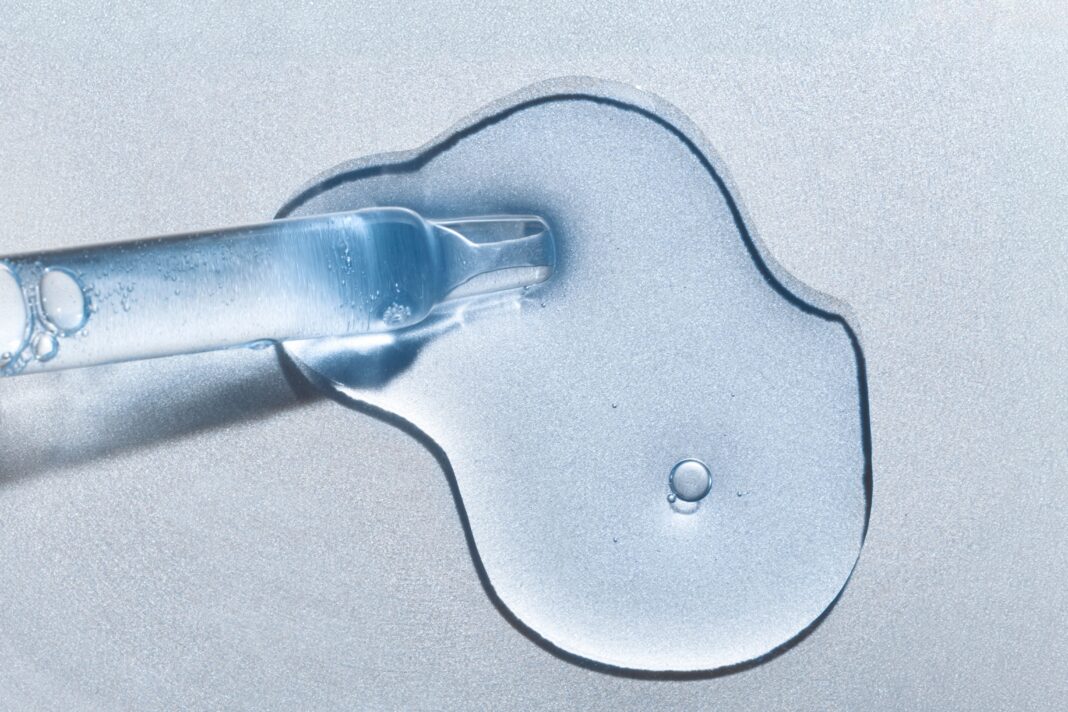
Azulene has emerged as a key ingredient in K-beauty routines, offering a targeted solution for sensitive skin. The compound is derived from chamomile and other botanical sources, giving it a distinctive deep blue color. Its primary appeal lies in its ability to reduce redness and calm irritation.
Research indicates azulene possesses strong anti-inflammatory properties. It works by inhibiting certain enzymes that trigger skin flare-ups, making it effective for conditions like rosacea or general sensitivity. When applied topically, it helps soothe the skin rapidly.
Formulators often combine azulene with other calming agents like centella asiatica or niacinamide. This combination enhances its calming effect without causing additional irritation. Many serums and creams now feature the ingredient as a star component for reactive complexions.
The ingredient’s vibrant hue comes from its naturally occurring chemical structure. This blue tint does not affect its efficacy but does require careful formulation to maintain stability. Sunlight exposure can degrade azulene, so products are typically packaged in opaque containers.
Sensitive skin users report noticeable improvements in skin tone evenness and reduced flushing. It gently cools the skin upon application, providing immediate relief to stressed or overheated areas. This makes it a popular choice for post-procedure care as well.
For those new to the ingredient, patch testing remains recommended. Most people tolerate it well, but individual reactions can vary. Incorporating a few drops of an azulene serum into a daily routine can yield visible calming results.
The trend builds on K-beauty’s tradition of merging traditional botanicals with modern science. Azulene fits this philosophy perfectly, offering a gentle yet effective solution for skin inflammation. Its growing popularity suggests it will remain a staple in sensitive skin care lines.