Timeshares, once a symbol of vacation ease, are now pointing to broader consumer unease. A recent surge in complaints suggests growing frustration among owners and buyers alike. This shift reflects deeper anxiety in the travel and leisure industry.
Sales pitches for timeshare properties often promise relaxation and guaranteed getaways. Yet many consumers report feeling trapped by escalating fees and rigid contracts. These commitments have become a burden, especially as household budgets tighten.
Exit from these agreements remains complicated, with owners struggling to resell or cancel their contracts. Secondary markets are flooded with low-priced listings, showing diminished demand. This imbalance hints at a cooling appetite for luxury leisure spending.
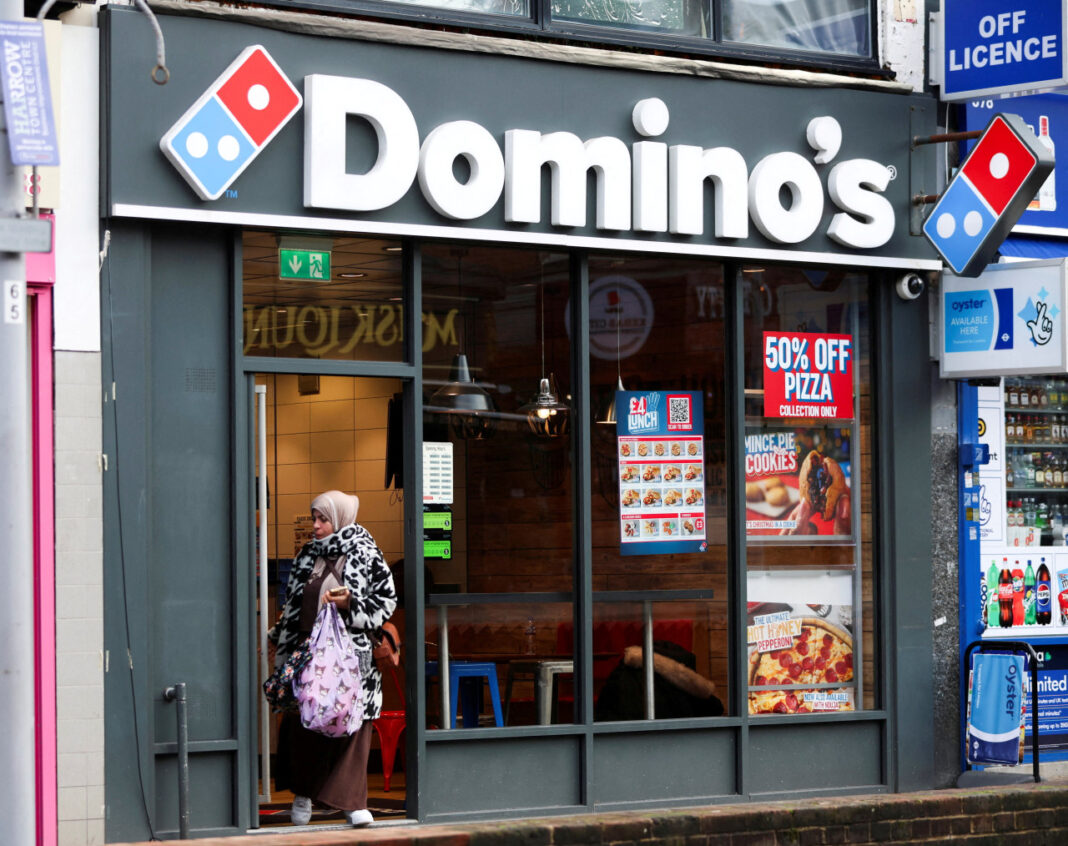
Hot chips are outpacing cold pizza in another consumer indicator. This phrase refers to the preference for immediate, smaller indulgences over delayed, larger purchases. It signals a cautious approach to discretionary spending across many sectors.
Economic pressures like inflation and rising interest rates are key drivers of this shift. Consumers are prioritizing essentials and short-term pleasures over long-term financial commitments. This trend challenges companies that rely on installment or subscription models.
Timeshare companies face mounting criticism over opaque contract terms and aggressive sales tactics. Some are revising policies to offer more flexibility or buyback options. But trust recovery may take time as consumer skepticism grows.
The broader market should watch these signals closely. Consumer angst in one area often foreshadows trouble in others. Timeshare frustrations may be just the first crack in a larger pattern of spending restraint.