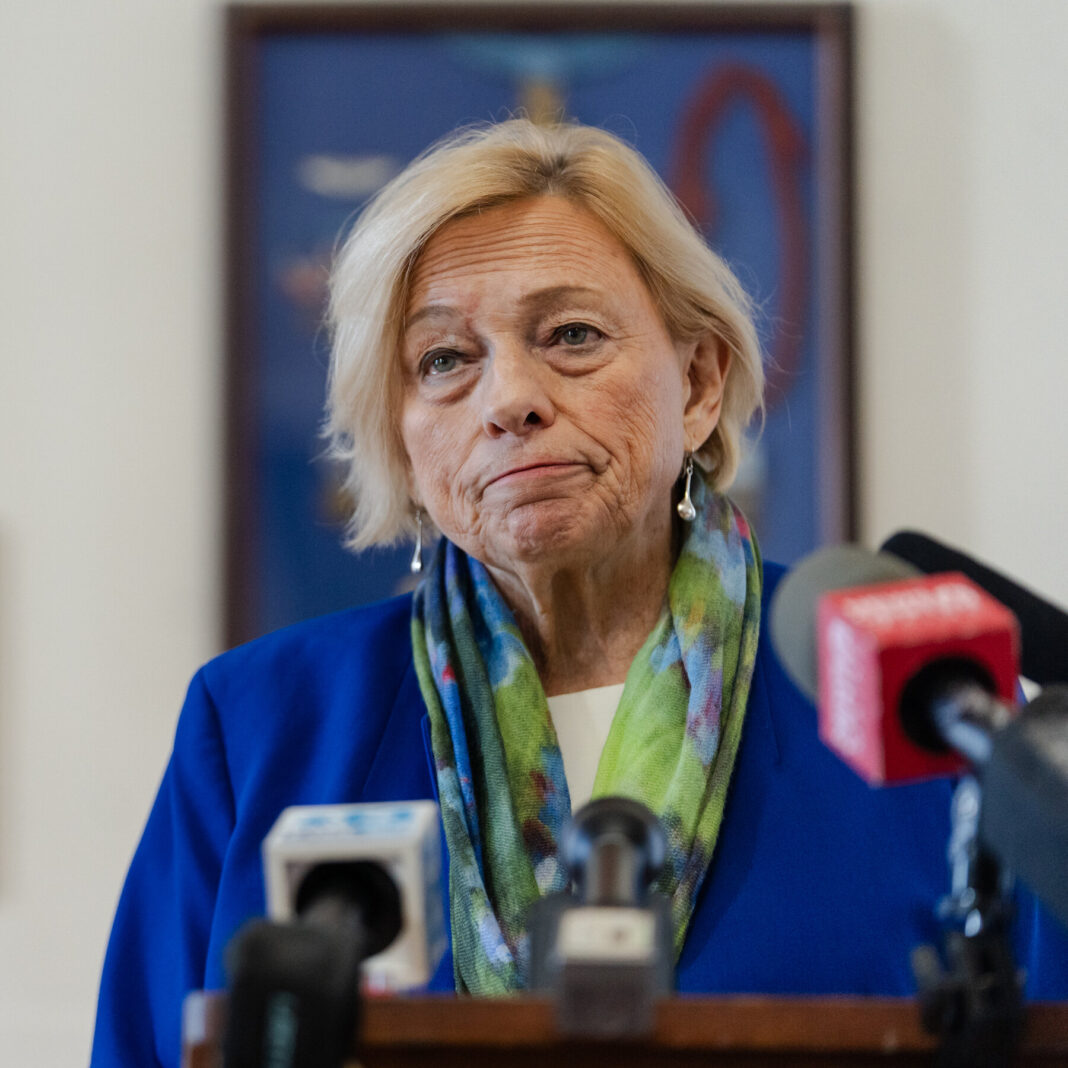
Governor Janet Mills has withdrawn from Maine’s Senate race, clearing the path for an insurgent Democratic challenger. Her decision reflects growing energy within the party’s left wing. It also signals voter unease with older candidates.
Mills had been considered a strong contender for the seat. Her exit now positions Graham Platner as the likely Democratic nominee. Platner will face Republican Senator Susan Collins in November.
The governor’s departure reshapes the political landscape in Maine. Platner brings a more progressive platform to the race. His campaign has attracted support from younger and more liberal voters.
Collins, a moderate Republican, has held the seat since 1997. She faces her toughest reelection fight yet. Platner’s rise indicates a shift in Democratic strategy.
The race will test the influence of left-leaning activism. It also highlights national debates about age and experience in politics. Voters are increasingly questioning long-serving incumbents.
Mills offered no detailed public explanation for her withdrawal. Sources close to her cited polling data and fundraising challenges. The decision was described as pragmatic.
Platner now must build a statewide coalition quickly. He will need to appeal beyond the party’s base. Collins remains well-funded and entrenched in Maine politics.
The November election will be closely watched nationally. It could signal broader trends for the Democratic Party. Maine’s Senate race is now a key battleground.