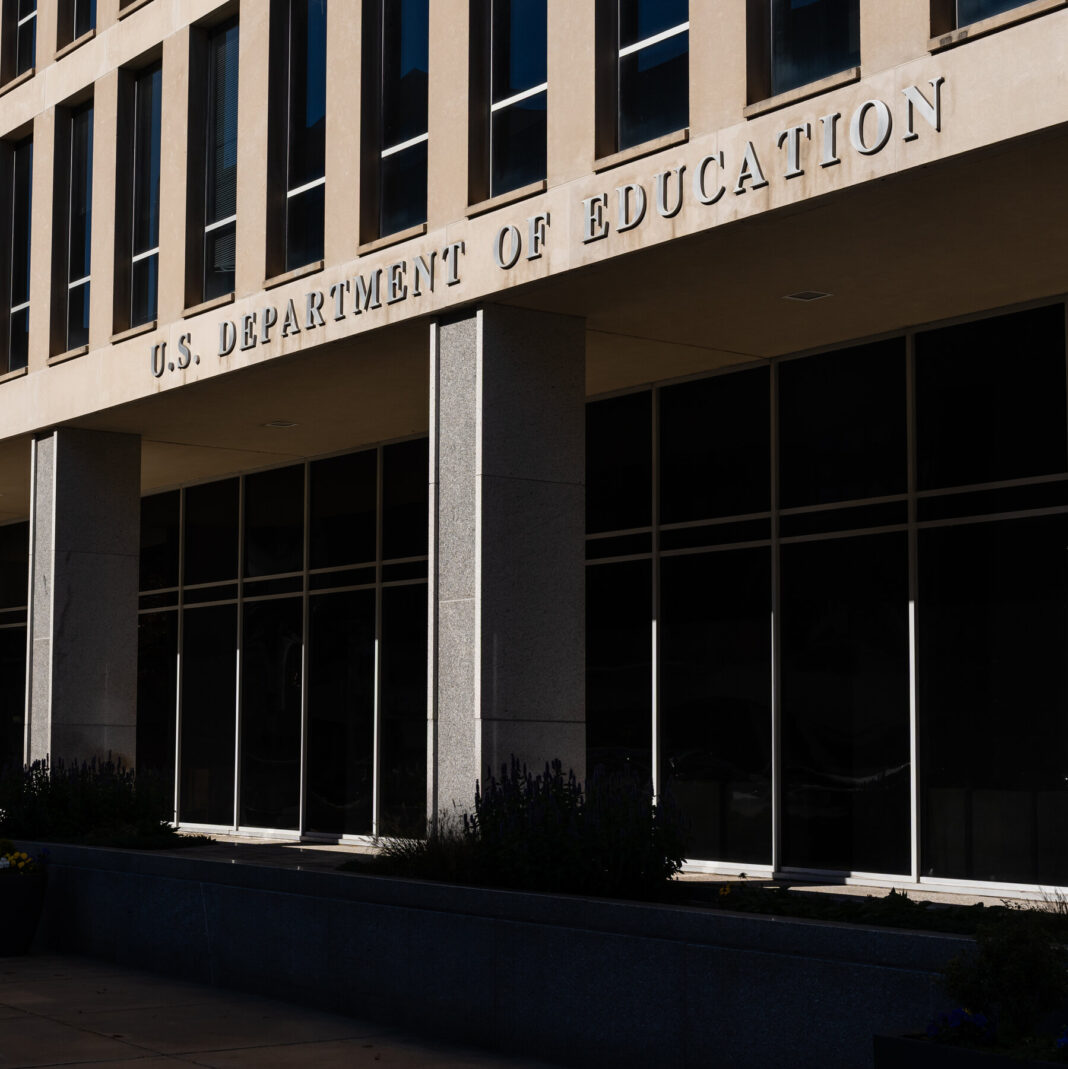
The Trump administration has introduced new limits on federal loans for graduate students. The changes stem from student loan provisions in a sprawling tax and domestic policy bill signed into law last year. These caps will affect how much graduate students can borrow for tuition and living expenses.
The new policy reduces the maximum amount available through the Grad PLUS loan program. Previously, these loans had no fixed ceiling, allowing students to borrow the full cost of attendance. Borrowers now face a capped annual limit, with a total lifetime borrowing cap also in place.
Officials say the move aims to curb rising federal debt and limit taxpayer exposure. The administration argues that unlimited borrowing contributed to soaring tuition costs at graduate schools. Critics, however, worry the caps will restrict access to advanced degrees for low-income students.
Universities may now face pressure to adjust program costs or offer more institutional aid. Some graduate programs, like law and medical schools, depend heavily on federal loan availability. Institutions with high tuition could see enrollment declines as borrowing becomes more constrained.
Graduate students will need to explore alternative funding sources, such as scholarships, private loans, or employer tuition assistance. The caps may also accelerate a shift toward part-time study or online programs with lower fees. Students should evaluate their financial plans well before applying to programs.
The policy takes effect for the upcoming academic year, creating urgency for current applicants. Prospective borrowers must review new borrowing limits and craft budgets accordingly. Financial aid offices are expected to release detailed guidance in the coming weeks.
The long-term impact on graduate education remains uncertain. Higher education experts predict a potential slowdown in enrollment across expensive programs. Meanwhile, supporters of the caps believe they will encourage more responsible borrowing and institutional cost control.