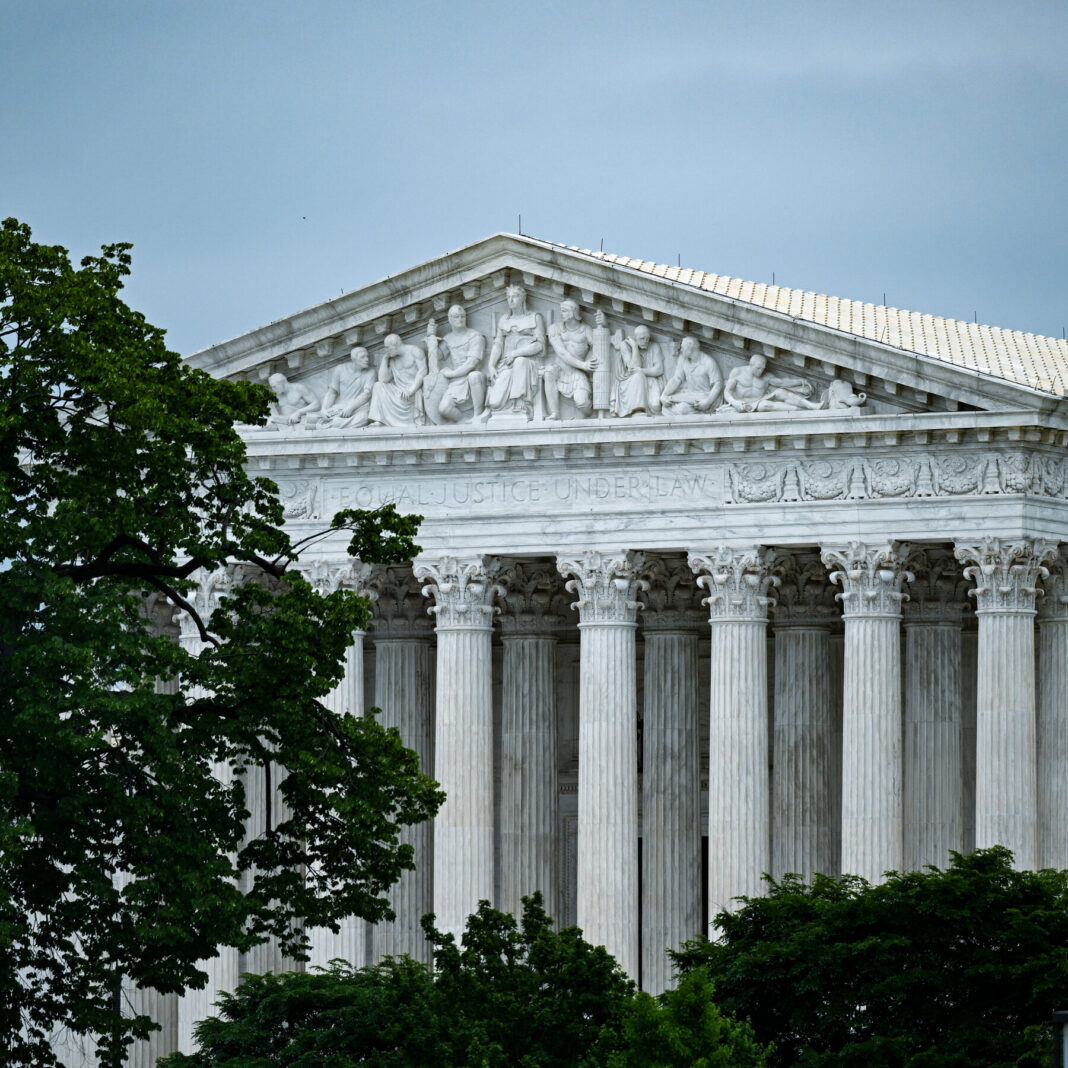
The Supreme Court ruling stated that plaintiffs must prove a racial group was “intentionally” disadvantaged. The dissent called this requirement “well-nigh impossible.”
At the heart of the decision is a fundamental disagreement over how racism operates today. The majority opinion argued that only intentional discrimination violates the Voting Rights Act.
The dissent countered that modern racial barriers are often subtle and result from institutional practices. Requiring proof of intent, they argued, effectively blocks most claims.
The ruling tightens the standard for challenging voting laws under Section 2 of the Voting Rights Act. This section has been a key tool for fighting discriminatory election rules.
Legal experts noted the decision raises the bar for evidence in future voting rights cases. Plaintiffs must now show lawmakers deliberately sought to harm a racial group.
Critics warned the ruling could undermine protections for minority voters. They highlighted how many discriminatory outcomes stem from facially neutral policies.
Supporters of the decision argued it clarifies the law and prevents frivolous lawsuits. They maintained that true discrimination requires a clear wrongdoer.
The case underscores a deepening divide on the Court over race and equality. The justices offered starkly different views on what constitutes injustice in modern America.
This ruling will likely shape voting rights litigation for years to come. Lower courts now face the challenge of applying this stricter intent standard.