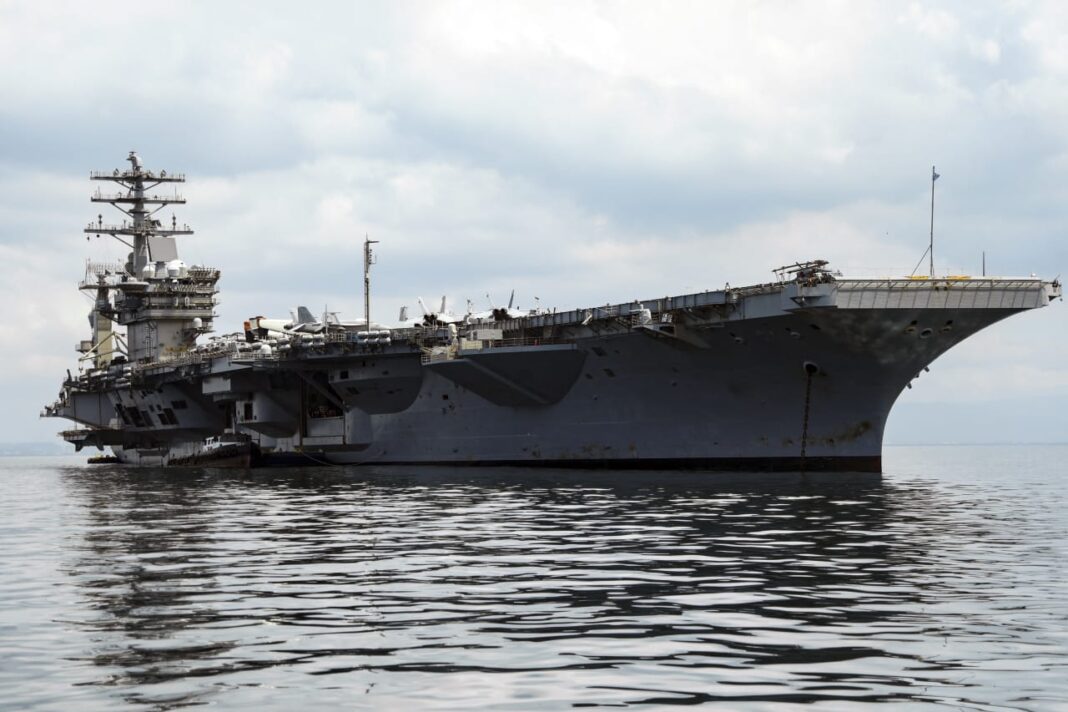
Global oil prices surged past $110 a barrel on Monday following an unverified report of an Iranian attack on a U.S. Navy vessel in the Strait of Hormuz.
The disputed report triggered a volatile start to the trading week, with crude benchmarks swinging sharply upward. Market participants reacted swiftly to the potential disruption in one of the world’s most critical oil transit chokepoints.
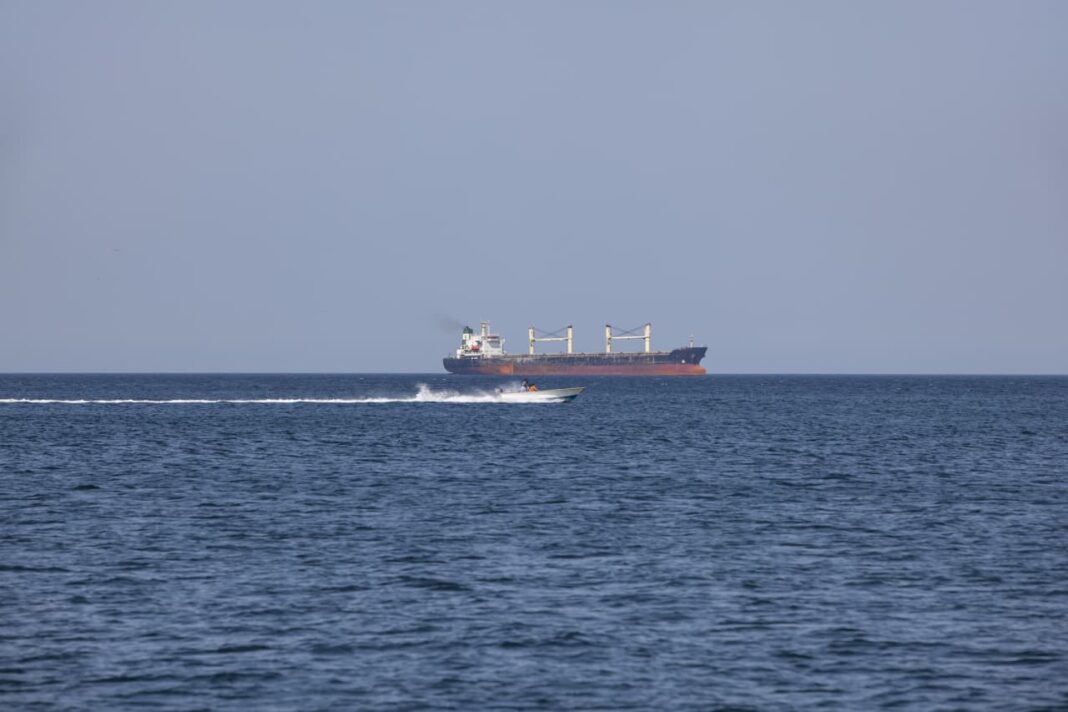
The Strait of Hormuz handles about one-fifth of global oil consumption. Any military confrontation there threatens supply routes and can push prices higher.
U.S. officials have not confirmed the alleged strike. Multiple sources have questioned the report’s accuracy, but the uncertainty alone was enough to jolt markets.
Brent crude, the international benchmark, climbed above $110 per barrel. West Texas Intermediate also posted significant gains in early trading.
Traders remain on edge as geopolitical tensions in the region persist. The market is now weighing the risk of further escalation alongside supply concerns.
The incident underscores how fragile oil supplies can be amid ongoing conflicts. Analysts warn that any disruption in the Strait could have immediate global repercussions.
Despite the price spike, some experts caution against overreacting to unconfirmed reports. The situation remains fluid, and verified information is still pending.
Oil prices had already been elevated due to existing sanctions and production limits. This new development adds another layer of uncertainty to an already tight market.