The U.S. economy continues to exhibit resilience despite a series of significant global and domestic pressures. Recent months have seen oil prices surge alongside escalating geopolitical tensions with Iran. Yet, the economic engine has not shown signs of cracking.
High tariffs have been a persistent element of the trade landscape, yet their disruptive potential has not derailed growth. Stubborn inflation, while eroding purchasing power, has failed to trigger a broad economic downturn. Government shutdown threats have also passed without inflicting lasting damage.
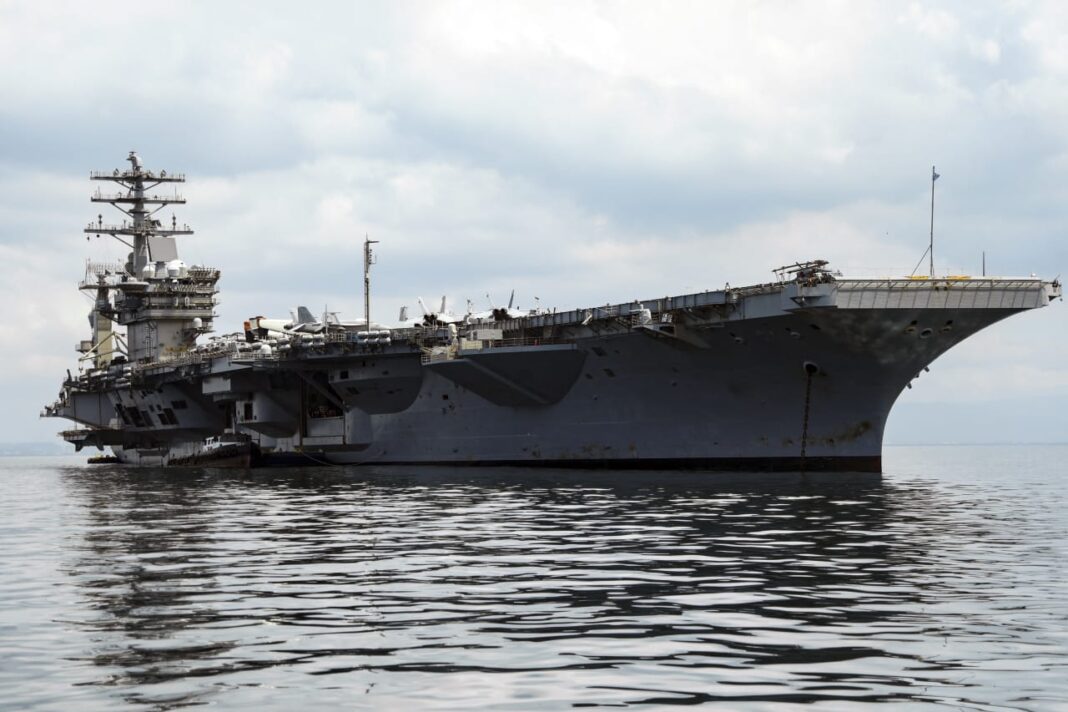
A growing list of conflicts, particularly the heightened risk of war with Iran, has added to the market’s uncertainty. Rising oil prices typically weigh heavily on consumer and business costs. In this instance, the U.S. economy has absorbed the shock better than historical patterns would suggest.
Consumer spending remains a crucial pillar of stability. The labor market continues to demonstrate strength, with low unemployment supporting household incomes. This foundation has helped buffer against the ripple effects from overseas turmoil.
Business investment, while cautious, has not collapsed in the face of tariffs or geopolitical risk. Corporate balance sheets remain relatively healthy, allowing firms to navigate higher input costs. This has prevented a widespread pullback in capital expenditure.
The financial system shows no immediate signs of stress from these overlapping challenges. Banking sector fundamentals remain solid, and credit markets continue to function without major disruption. This backdrop contrasts with past periods of similar external shocks.
In summary, the U.S. economy is proving difficult to destabilize. The combination of a resilient consumer, a robust labor market, and a stable financial system is enabling the nation to withstand pressures that might have caused a recession in other eras.