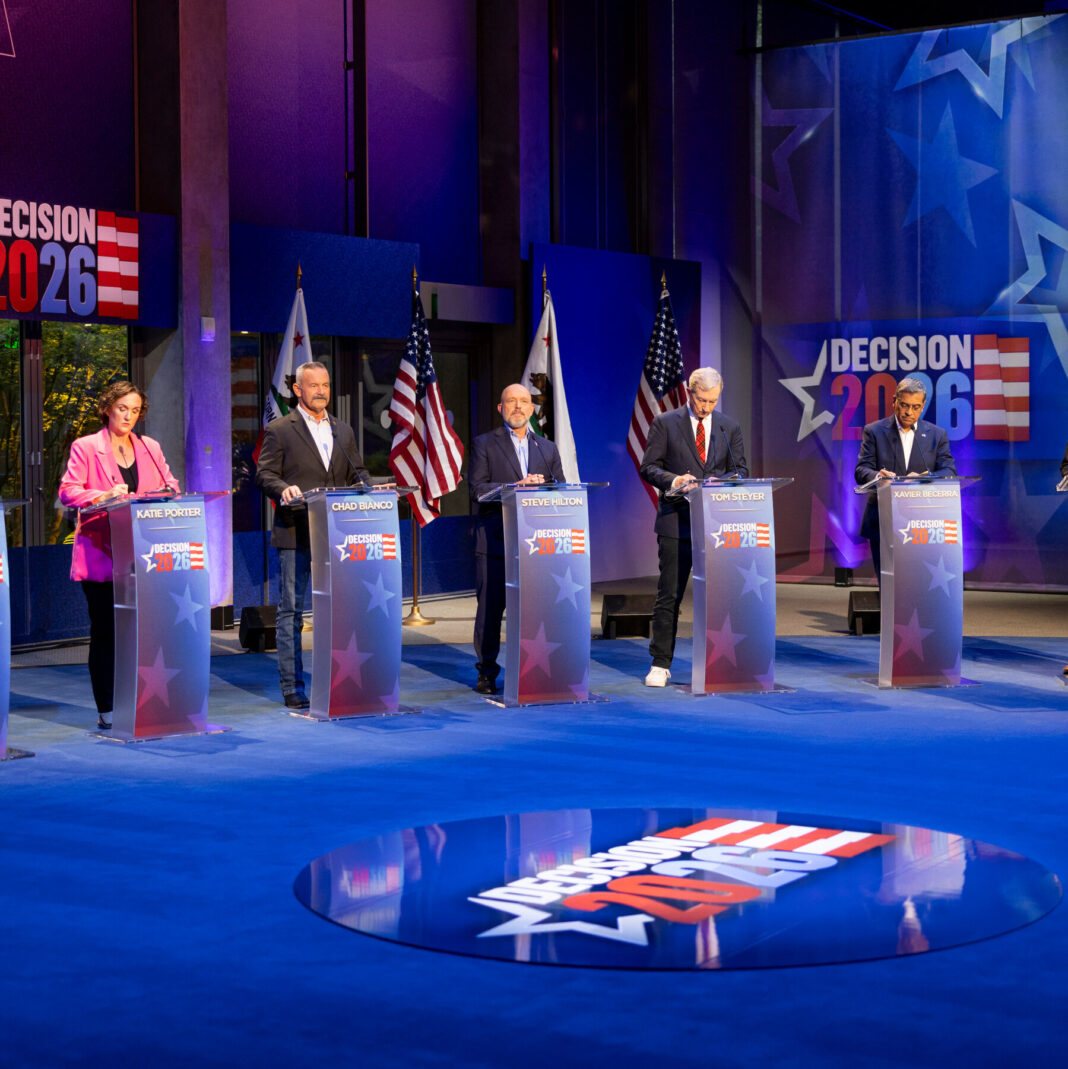
The final televised debate between California governor candidates centered on housing and insurance policy during the first half, before escalating into intense personal attacks in the closing minutes. The shift in tone highlighted the high stakes of the race, as candidates sought to distinguish themselves on key issues affecting residents.
On housing, all candidates agreed that California’s affordability crisis demands urgent action. Proposals ranged from streamlining zoning laws to increasing density near transit hubs. The debate revealed clear divisions on how to balance local control with state mandates for new construction.
Insurance policy emerged as a second major focus, with candidates discussing rising premiums and coverage availability in wildfire-prone areas. Some advocated for stronger state regulation, while others argued for market-based solutions to stabilize the industry. Both sides acknowledged that homeowners face growing financial pressure.
The final segment of the debate turned combative, with candidates trading accusations over past legislative records and campaign financing. Personal attacks replaced policy discussions, drawing criticism from moderators who attempted to steer the conversation back to substantive issues.
These exchanges underscored the bitter competition in a race where no candidate holds a decisive lead. Polls suggest the electorate remains deeply divided, with many voters undecided on key priorities.
Observers noted that the debate offered clarity on policy contrasts but also risked alienating voters tired of political infighting. The candidates’ ability to address kitchen-table concerns will likely shape the race’s final stretch.
As the primary approaches, voters now face a choice between candidates promising bold change or incremental progress. The debate confirmed that California’s next governor will inherit complex challenges requiring both political skill and practical solutions.