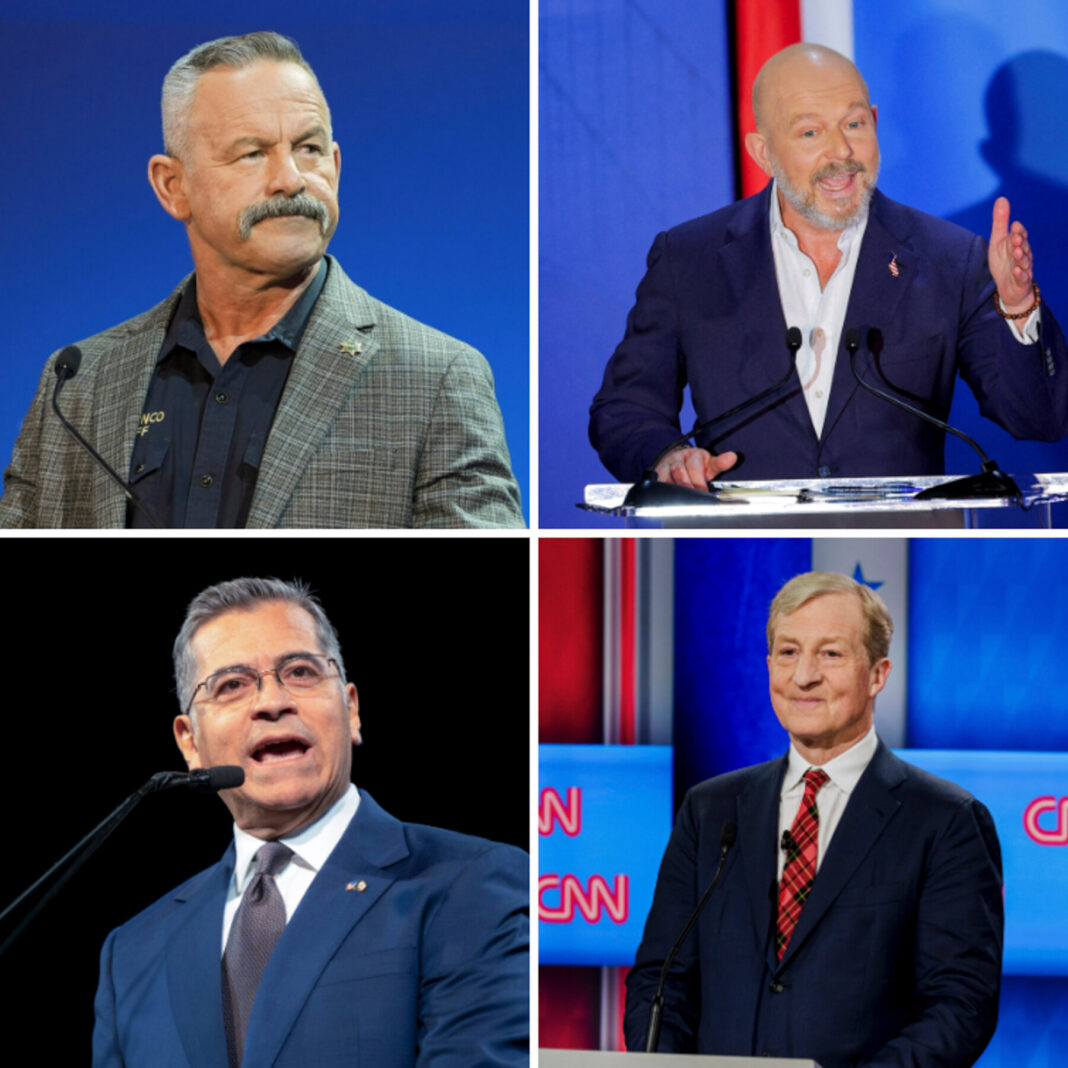
A Times reporter in Los Angeles provided insight into an unusually structured California governor debate. The event broke from traditional formats, featuring candidates in a more fluid and less scripted exchange. This departure from standard political forums drew attention from voters and analysts alike.
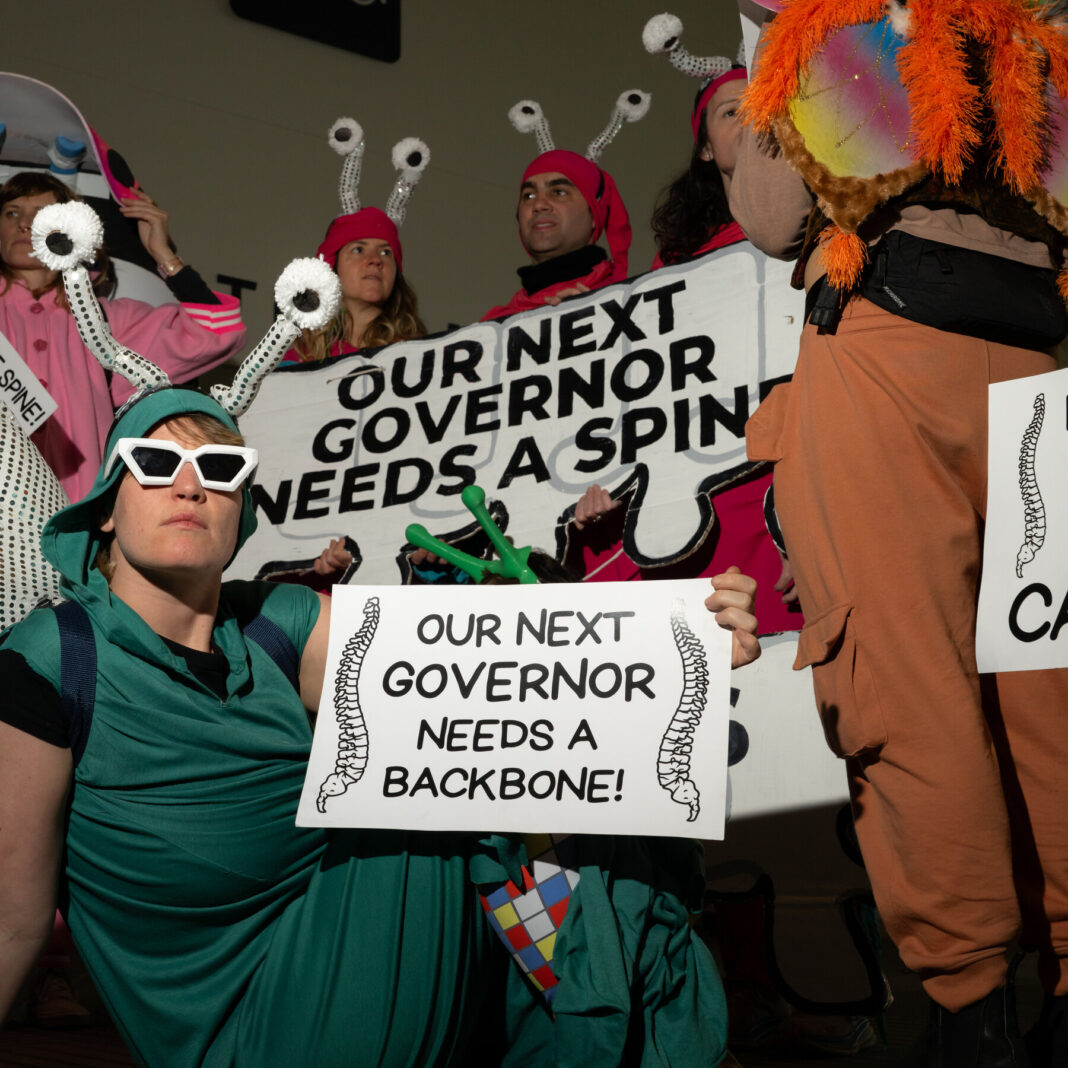
The race for governor has taken a peculiar turn this election cycle. Multiple candidates have emerged with unconventional campaign strategies. The debate highlighted a fragmented field, with no clear frontrunner dominating the conversation.
Key issues such as housing affordability and homelessness dominated the discussion. Candidates offered distinct approaches, from market-based solutions to increased public spending. The debate lacked the sharp personal attacks often seen in high-stakes races.
The reporter noted that the candidates’ interactions reflected a broader uncertainty within the state’s electorate. Voters appear divided on both policy priorities and leadership style. This ambiguity has made the race harder to predict than previous contests.
One significant factor is the presence of independent and third-party candidates. These contenders have gained traction by appealing to voters disillusioned with the two-party system. Their participation has fractured traditional voting blocs.
The debate’s unconventional structure allowed for more substantive policy exchanges. Candidates had fewer time constraints, enabling deeper dives into complex topics. This format may influence how future debates are organized in California and beyond.
Overall, the race remains fluid and competitive. The reporter emphasized that no candidate has yet consolidated support across key demographics. The outcome may hinge on turnout and last-minute voter shifts in the coming months.