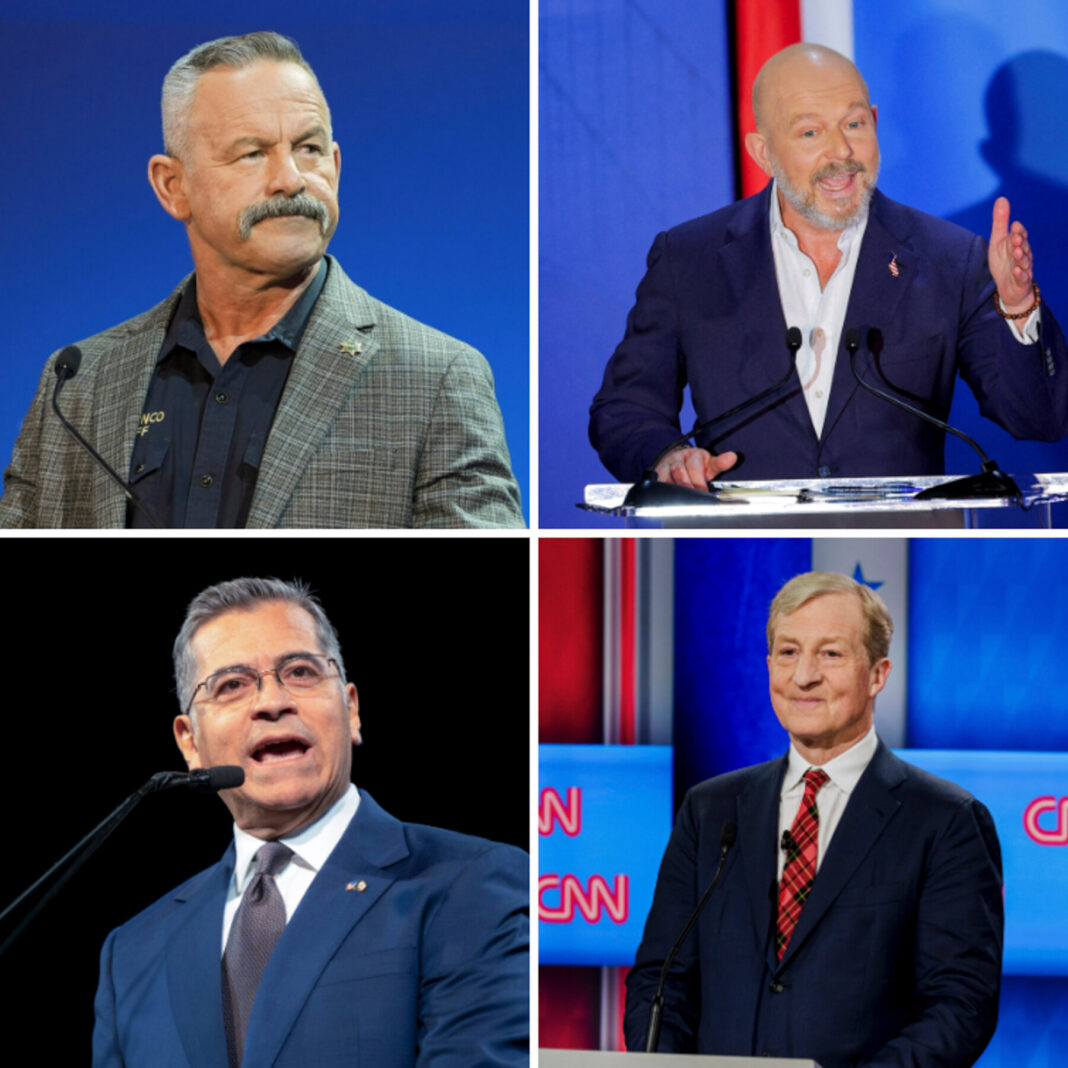
With four candidates now leading the pack, California’s primary election to replace Governor Gavin Newsom remains unsettled. The race is defined by shifting voter preferences and a crowded field.
Recent polling shows no single contender holding a decisive advantage. This lack of clear front-runner signals a volatile and unpredictable campaign ahead.
The top candidates include Democrats, Republicans, and independents. Their platforms range from progressive reforms to fiscal conservatism.
Each candidate has carved out a distinct base of support. This fragmentation makes the final outcome difficult to forecast.
Experts point to the top-two primary system as a key factor. Only the highest vote-getters, regardless of party, will advance to the general election.
Voter turnout and late-breaking decisions will likely decide the winners. The fluid dynamics of the race suggest momentum can shift quickly.
Campaign spending and endorsement battles are intensifying. Television ads and digital outreach now dominate the message war.
This chaotic field reflects broader national trends in political polarization. California’s diverse electorate adds another layer of complexity.
The primary is set for June 2026. Until then, the race remains wide open and full of uncertainty.