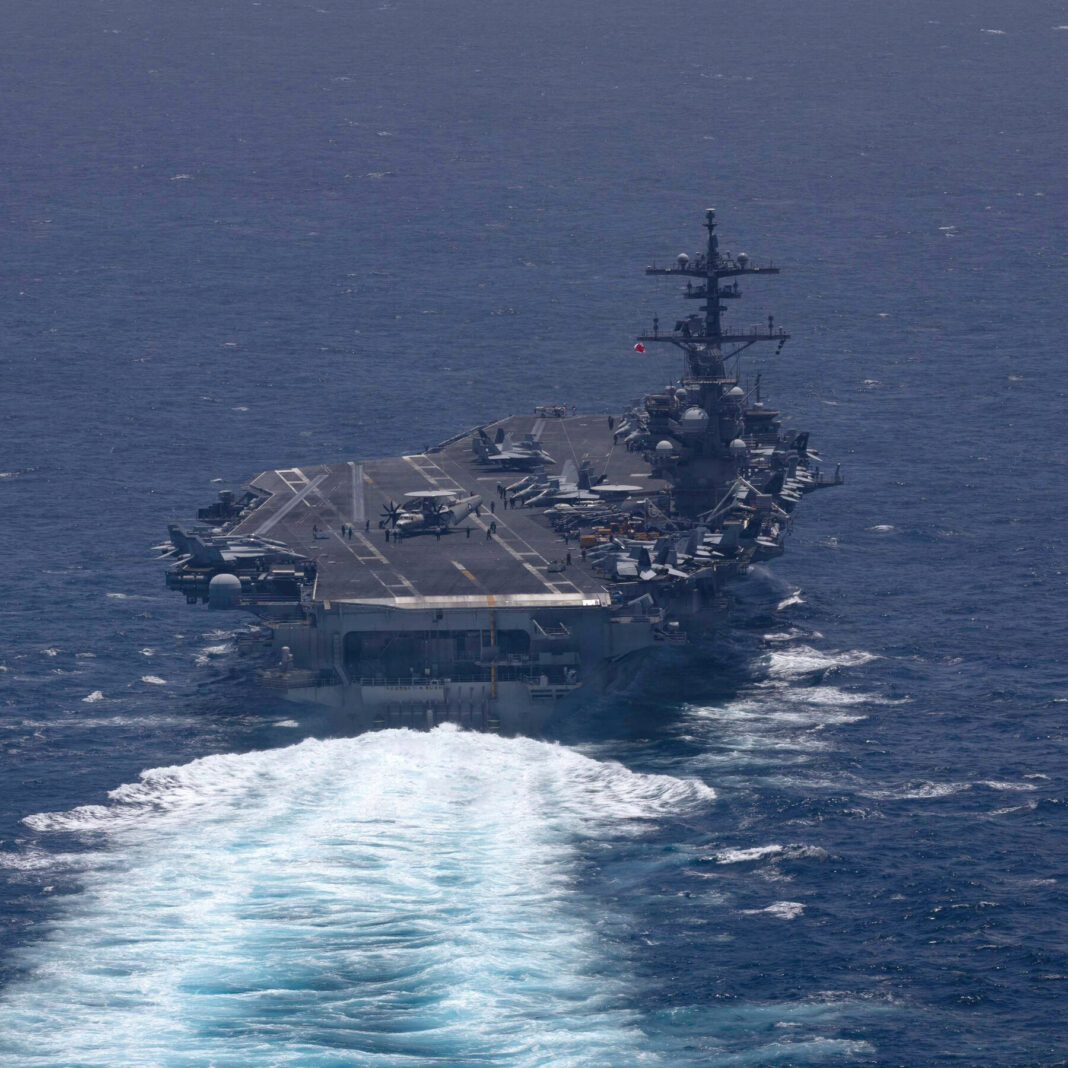
Tensions in the Strait of Hormuz have escalated sharply as the United States and Iran trade military strikes. The latest exchanges mark a significant uptick in hostilities between the two nations. This escalation raises serious concerns about regional stability.
The attacks include direct hits on strategic military and economic targets. Both sides have deployed naval and aerial assets in the narrow waterway. The Strait of Hormuz is a critical chokepoint for global oil shipments.
The ongoing violence threatens the existing cease-fire agreement. That agreement had brought a fragile peace to the area in recent months. Now, the possibility of a full breakdown appears increasingly likely.
International observers have called for immediate de-escalation. Diplomatic channels remain open but strained under the current pressure. Multiple nations rely on the strait for energy imports and trade.
The strikes have already disrupted shipping traffic in the region. Insurance rates for tankers have spiked as a direct result. Global oil prices have reacted with noticeable volatility.
Military analysts point to a pattern of calculated provocations. Each side appears to be testing the other’s response limits. A miscalculation could trigger a wider conflict.
The situation remains fluid with no clear resolution in sight. Both governments have issued conflicting statements about responsibility. The international community watches with growing alarm.