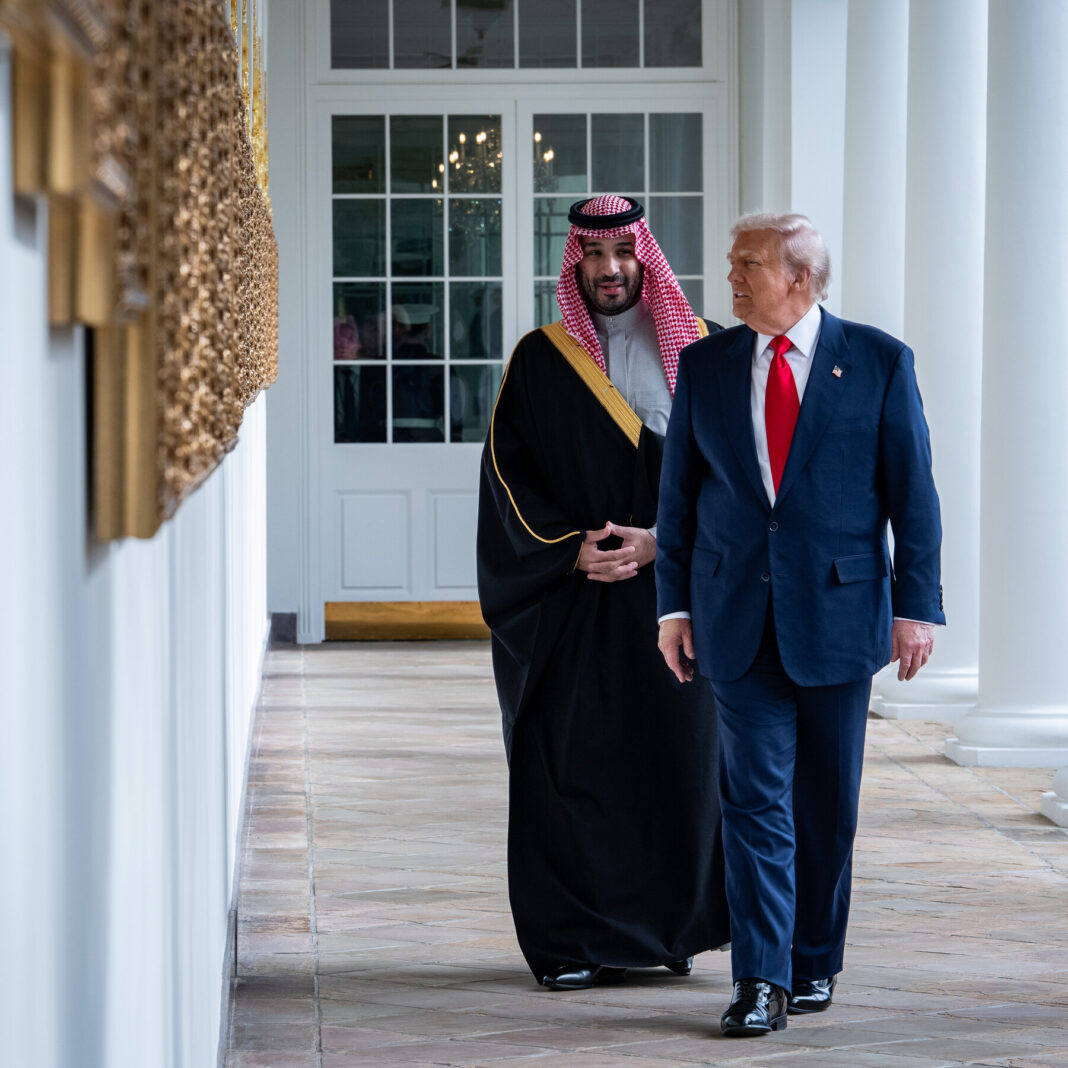
Saudi Arabia denied the United States access to its airspace for a planned military operation in the Strait of Hormuz, prompting former President Donald Trump to reverse course on the mission. The decision, revealed in a new report, underscores growing strains between Washington and Riyadh.
The proposed operation aimed to secure critical shipping lanes against Iranian threats. Trump’s plan relied heavily on regional support, including basing rights and airspace clearance. Saudi Arabia’s refusal marked a significant setback.
The denial came after months of tense negotiations between the two allies. Saudi officials expressed concerns about escalating conflict without a clear exit strategy. They also feared provoking a wider war with Iran that could destabilize the region.
Trump’s unpredictable approach to Iran has long frustrated Gulf allies. The former president’s decision to withdraw from the nuclear deal and impose maximum sanctions created volatility. Saudi Arabia now appears less willing to fully back aggressive U.S. military moves.
The Strait of Hormuz remains a vital chokepoint for global oil shipments. Iran has periodically threatened to disrupt traffic there in response to Western pressure. Washington has repeatedly vowed to keep the waterway open.
The episode highlights a shifting dynamic in U.S.-Saudi relations. While the kingdom values its security partnership with America, its leaders are increasingly asserting their own strategic priorities. This includes avoiding entanglement in confrontations they view as risky.
Analysts note that the incident could reshape how future U.S. administrations approach Middle East policy. Allies may no longer automatically grant support for military actions without clear guarantees. The balance of influence in the region continues to evolve.