London offers a wealth of opportunities to view rare books, from illuminated manuscripts to antique tomes and first editions. The British capital houses some of the world’s most significant collections, accessible to the public through libraries, museums, and specialized exhibitions.
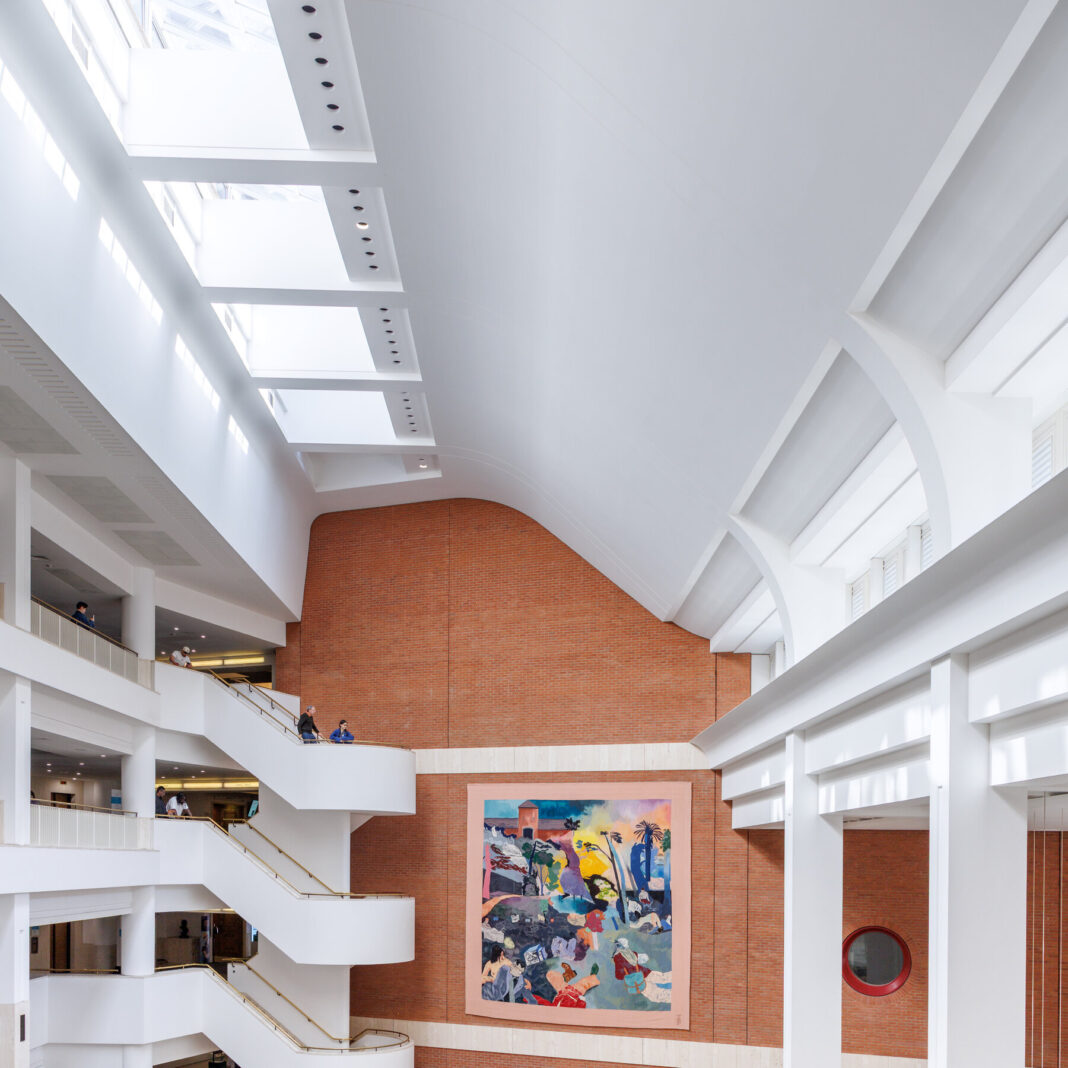
The British Library stands as a primary destination for rare book enthusiasts. Its permanent display includes the Lindisfarne Gospels and the Magna Carta, both available for free viewing. Visitors can also book sessions in the reading rooms to examine specific items by prior arrangement.
The Bodleian Library in Oxford, a short train ride from London, holds a vast collection of medieval manuscripts and early printed works. Its exhibition spaces regularly showcase rotating displays of treasures, such as Shakespeare’s First Folio or ancient maps. Entry fees support the preservation of these fragile materials.
For those interested in first editions, the London Book Fair, held annually in spring, features dealers and institutions specializing in rare volumes. The event offers a chance to handle items for sale and attend talks on book history. Tickets are required for entry to the fair.
The Wellcome Collection in central London presents medical and scientific rare books, including anatomical texts from the 16th century. Admission is free, with highlights in its permanent exhibition about the human body. Special exhibitions often include rare printed works.
Private dealers and auction houses also provide access. Sotheby’s and Christie’s in London hold regular sales of rare books, with previews open to the public at no cost. These events allow close inspection of items before they go to auction, offering insight into market values.
The National Art Library at the Victoria and Albert Museum offers a quieter alternative for studying rare books. Its collection focuses on art and design, but it includes illuminated manuscripts and bindings. Access requires a free reader’s ticket, available on the day of visit.
Planning a visit requires checking opening hours and any access restrictions, as many spaces limit handling of delicate items. Some institutions require advance booking for viewing specific works. This ensures the preservation of these historical objects for future generations.