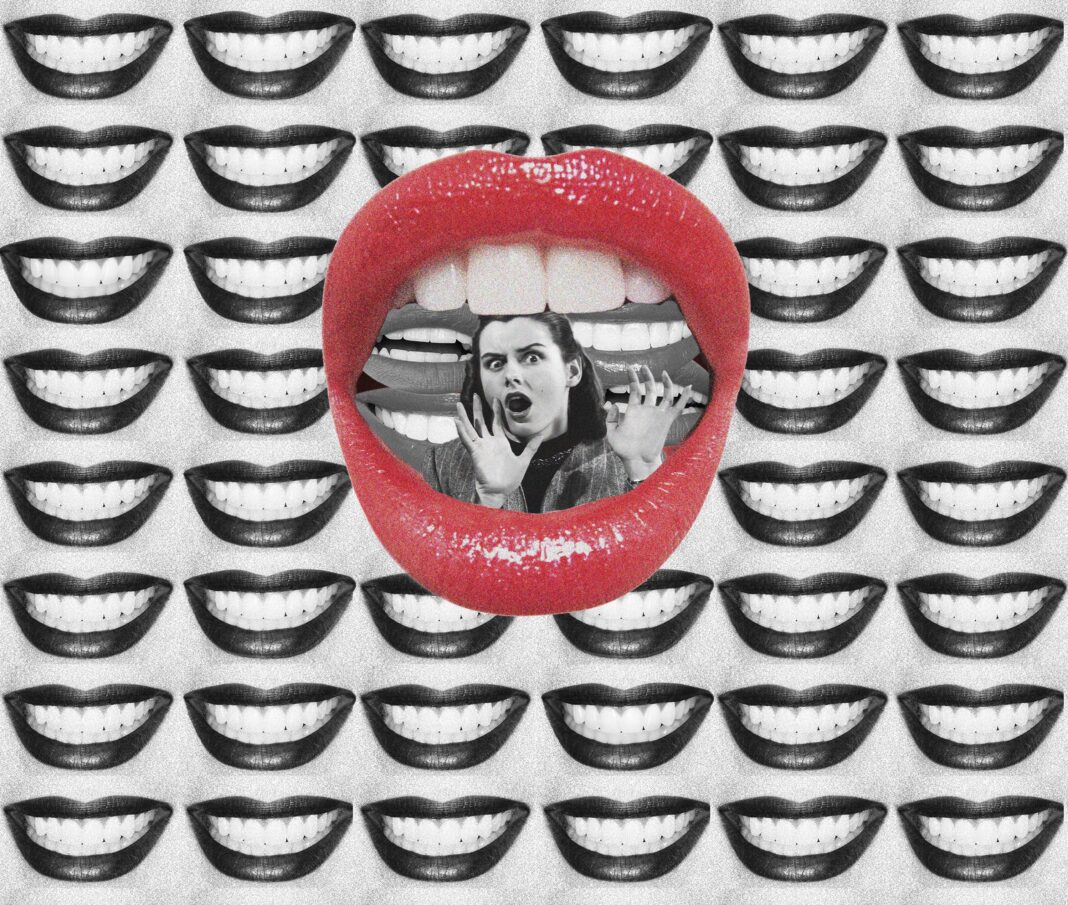
Veneer regret is becoming a growing topic of conversation among dental patients. Many individuals are discovering that the popular cosmetic procedure comes with permanent consequences. The initial excitement of a flawless smile often fades into what experts now call buyer’s remorse.
The core issue lies in the irreversible nature of the treatment. Dentists must shave down a portion of the natural tooth enamel to place the veneers. Once that enamel is removed, it cannot be restored. This means patients are committed to their new smile for life.
Trends in dental aesthetics are also shifting rapidly. What looks fashionable today may appear outdated in a decade. Some patients are now complaining that their veneers look too bulky or overly white compared to natural teeth. Others report that the shape no longer matches current preferences for softer, more organic contours.
Fit and function present another layer of frustration. Poorly placed veneers can lead to bite misalignment or gum irritation. In some cases, the porcelain shells feel unnatural and cause sensitivity to hot and cold foods. These issues often require additional corrective procedures that add to the overall cost.
The financial burden amplifies the emotional distress. A full set of quality veneers can cost thousands of dollars, and insurance rarely covers the expense. Patients facing regret must decide between living with the result or paying for a complete redo. This creates a stressful loop of ongoing maintenance and expense.
Experts recommend a cautious approach for anyone considering veneers. Thorough research and multiple consultations are essential before committing. Patients should ask to see before-and-after examples and discuss long-term care expectations. Understanding the permanence of the procedure is critical to avoiding future disappointment.
For those already struggling with regret, there are limited but viable options. Veneer replacement is possible, though it requires another invasive procedure. Some patients find relief by adjusting the shape or shade slightly without a full overhaul. A comprehensive evaluation by a specialist can clarify which path makes the most sense.
The rise of veneer regret highlights a broader lesson in cosmetic dentistry. Trends change, but teeth do not. A smile should be designed to last a lifetime, not just match a fleeting trend. Careful planning and realistic expectations remain the best defense against this growing phenomenon.