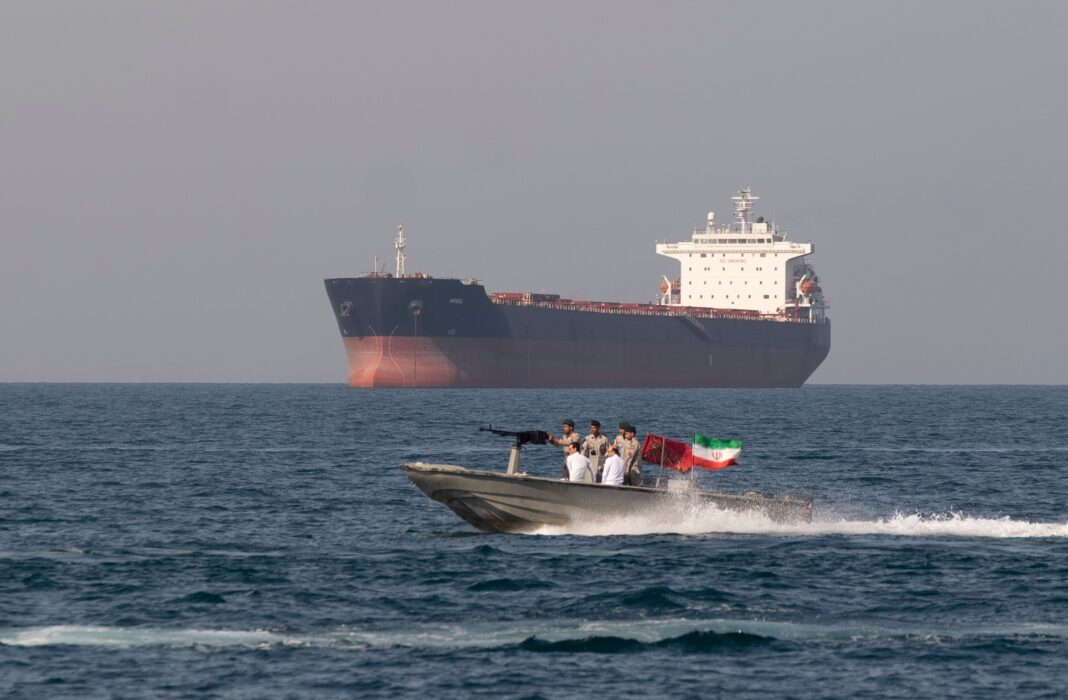
Iran’s conventional naval forces have been largely dismantled by US-Israeli operations. In response, the military has deployed a swarm of small boats designed to disrupt critical waterways.
These vessels, often referred to as “mosquito” boats, are fast, maneuverable, and difficult to detect. They operate in large numbers to overwhelm larger naval assets.
The Strait of Hormuz, a narrow passage for global oil shipments, has become a focal point. These small craft can block or harass commercial and military traffic through the chokepoint.
Iran’s strategy relies on asymmetric tactics to counter superior naval power. The boats are equipped with weapons such as missiles or torpedoes, but their primary advantage is their low profile.
Satellite and surveillance systems struggle to track such a large fleet of small targets. This makes coordinated responses challenging for traditional navies.
The approach has already shown effectiveness in limiting freedom of navigation. Shipping companies and naval forces must now adapt to this new threat.
This shift marks a significant change in regional maritime security. The use of small, agile vessels could influence future naval conflicts worldwide.