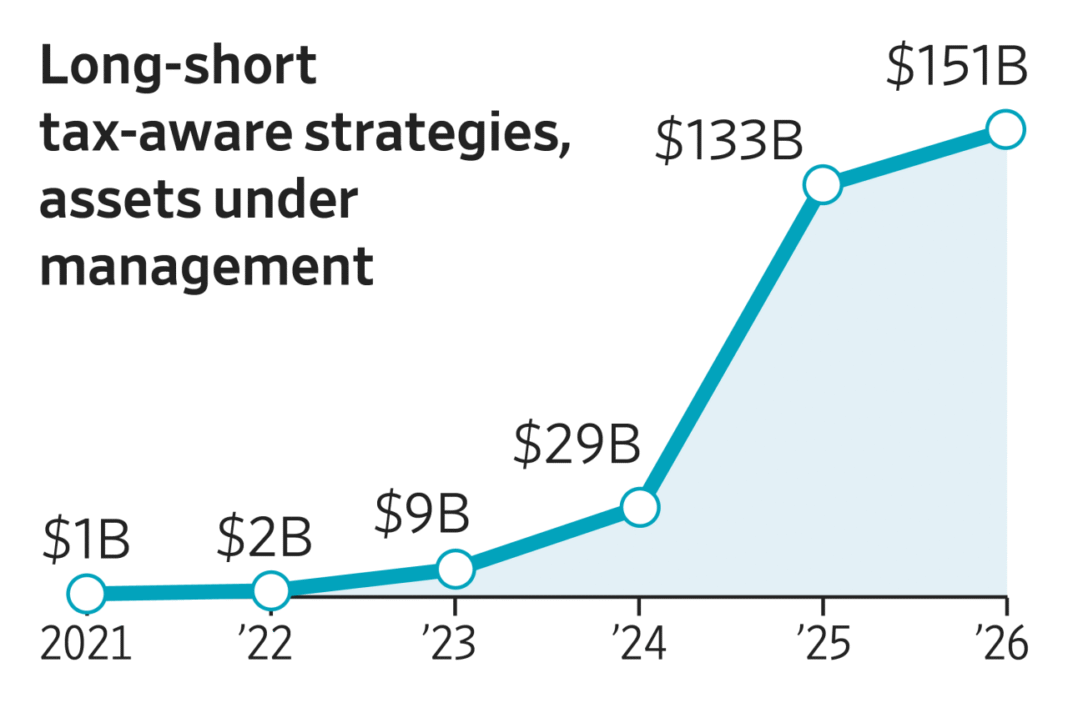
A new strategy on Wall Street is helping investors keep more stock gains while reducing tax bills. Known as tax-loss harvesting, the approach has surged in popularity during the recent stock-market rally. It allows traders to offset profits by selling losing investments.
The technique works by selling assets that have declined in value. Those losses can then cancel out taxable gains from winning stocks. The process resets the cost basis of the portfolio, potentially lowering future tax obligations. Many investors are now using it to manage their tax exposure.
Financial technology has made this process more accessible. Automated platforms can identify loss-selling opportunities in real time. This removes the need for manual tracking and timing by individual investors. The result is a more efficient way to handle taxes throughout the year.
Tax-loss harvesting is not new, but its application has expanded. Historically, it was used primarily by wealthy individuals with complex portfolios. Now, retail investors with standard brokerage accounts can also participate. The market’s recent volatility has created more opportunities to realize losses.
Investors must follow specific rules to benefit fully. The Internal Revenue Service prohibits buying back the same security within 30 days. This is known as the wash-sale rule. Violating it can void the tax benefit, so careful planning is required.
The strategy is most effective in taxable brokerage accounts. Retirement accounts like IRAs or 401(k)s do not qualify for tax-loss harvesting. Gains and losses inside those accounts are not subject to annual taxes. Investors should focus on their taxable portfolios for this approach.
This method does not eliminate taxes entirely but reduces their impact. It can be combined with other strategies like holding assets long-term. The goal is to maximize after-tax returns over time. Many financial advisors now recommend it as a standard practice.
The hottest trade on Wall Street right now is not just about buying and selling stocks. It is about managing the tax consequences of those trades. Tax-loss harvesting offers a path to keep more gains without breaking the law. For many, that makes it a powerful tool.