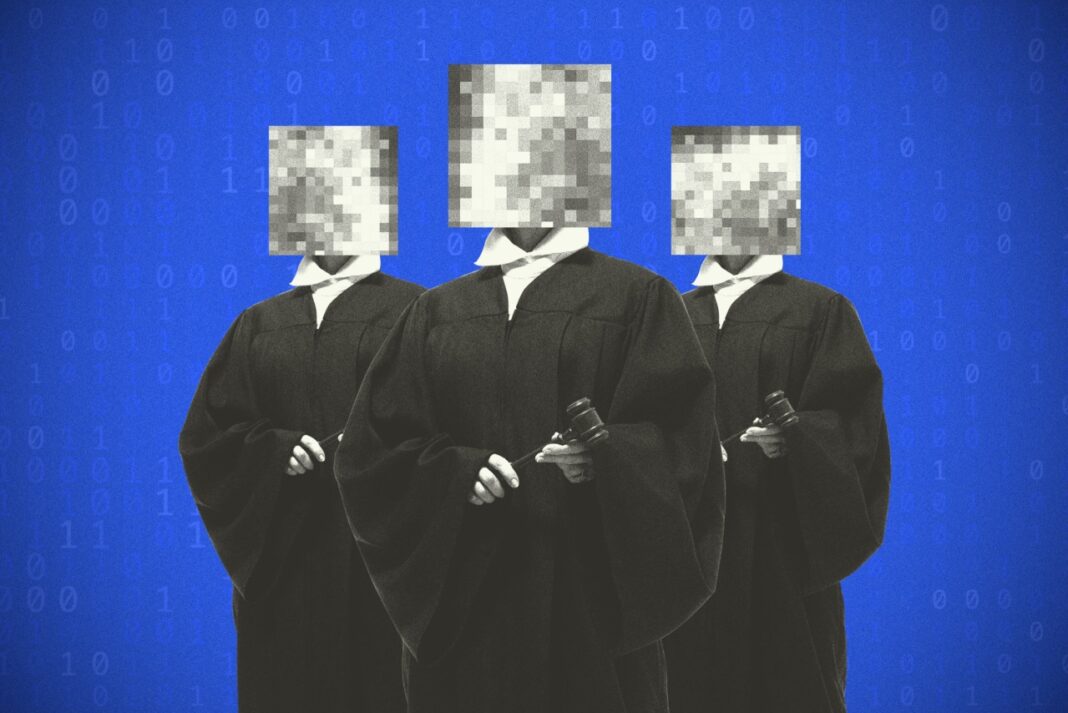
In a recent dispute over a Hezbollah cease-fire bet, the prediction market Polymarket faced scrutiny over its arbitration process. The outcome hinged on a small group of anonymous crypto judges. These arbitrators hold the power to resolve contested bets, raising questions about transparency and fairness.
Polymarket allows users to wager on real-world events, from elections to conflicts. When disagreements arise over a bet’s result, a system of judges steps in to decide. These judges are selected from a pool of token holders, but their identities remain hidden. Critics argue this anonymity undermines trust in the platform.
The cease-fire dispute involved a bet on whether a truce would hold. Some users claimed the event had not clearly ended, leading to conflicting interpretations. The judges ruled against one side, sparking backlash from those who felt the decision was arbitrary. This incident highlights broader unease about how disputes are handled.
Polymarket’s arbitration system relies on a decentralized process. Judges vote on outcomes based on evidence provided by users. Yet, without public oversight, the system risks favoritism or error. Some participants have called for more accountability, such as publishing judge reasoning.
The platform has grown rapidly, attracting both casual bettors and institutional traders. High-stakes wagers often involve complex geopolitical events. As volumes increase, the pressure on its dispute resolution mechanism grows. A single questionable ruling can erode confidence across the market.
Polymarket defends its system, noting that it uses multiple judges to mitigate bias. The company also argues that anonymity protects judges from external pressure. However, users remain divided. Some appreciate the speed of resolution, while others demand more robust safeguards.
This tension reflects a broader challenge for decentralized prediction markets. Balancing efficiency with transparency is difficult, especially in high-stakes scenarios. The Hezbollah dispute may prompt changes in how Polymarket handles future conflicts. For now, the mystery around its judges persists.