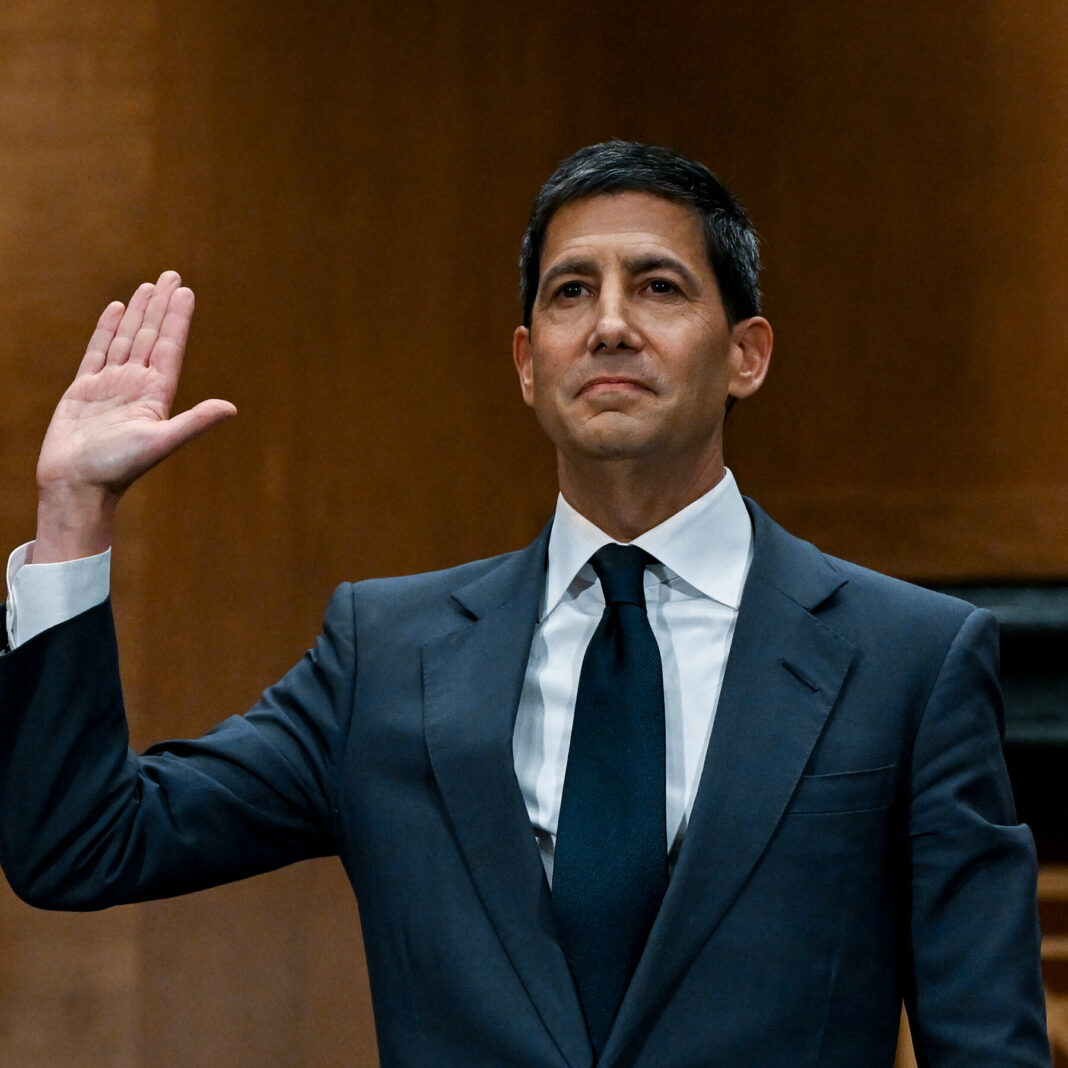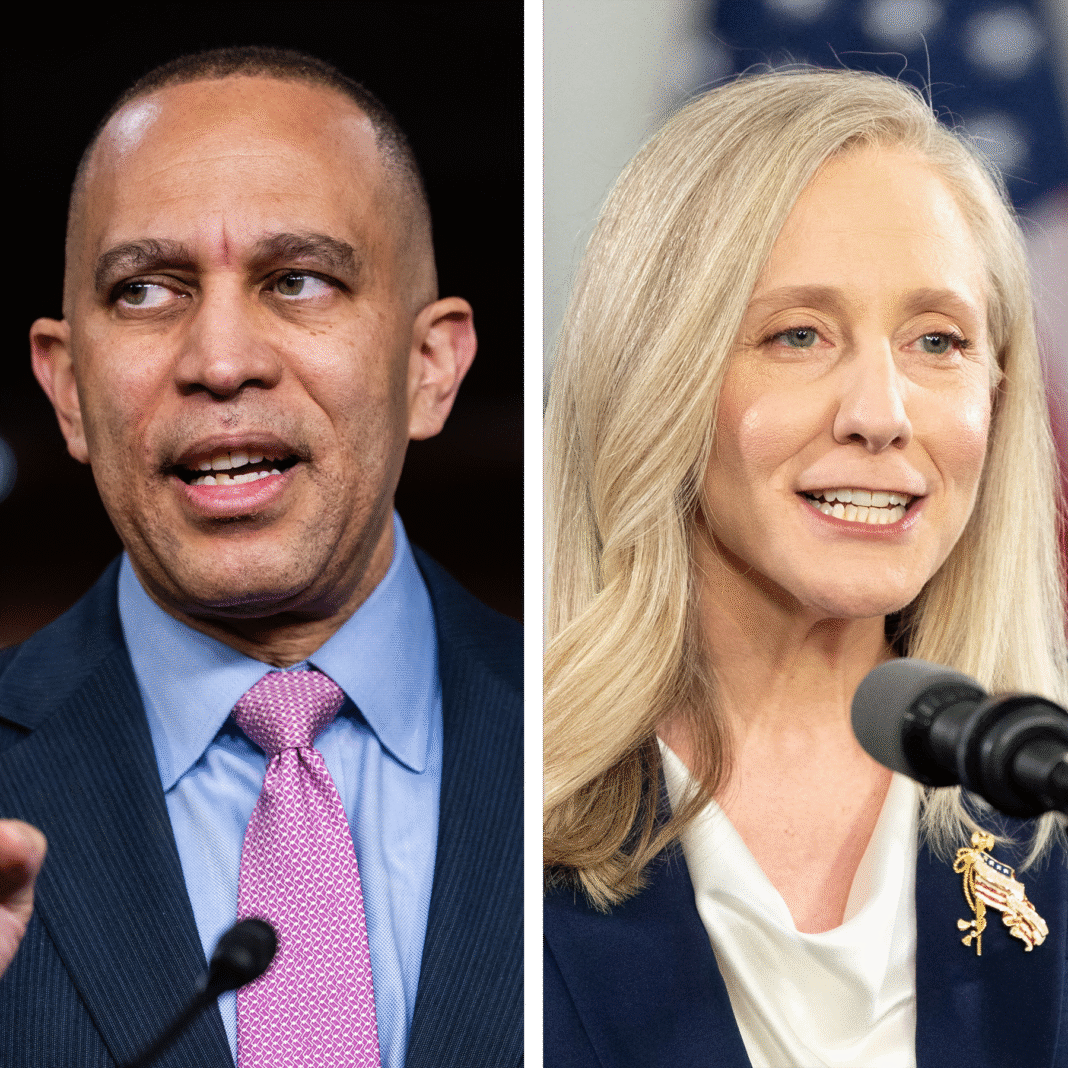
A divide is growing among Democrats over the issue of redistricting. Governor Abigail Spanberger of Virginia has urged party leaders, including House Minority Leader Hakeem Jeffries, to stop discussions on drawing new congressional lines for partisan gain.
Spanberger’s comments reflect a strategic disagreement within the party. Some Democrats worry that focusing on redistricting will distract from the upcoming midterm elections.
The debate centers on how to best allocate resources and messaging. One camp argues that fighting for fair maps is a core democratic principle worth the political cost.
Others believe that emphasizing redistricting plays into Republican narratives. This could alienate moderate voters more concerned with kitchen-table issues like the economy and healthcare.
Governor Spanberger’s position is rooted in her own electoral experience. She represents a competitive district and understands the risks of appearing overly focused on political gamesmanship.
The tension highlights a broader struggle for the party’s identity. Democrats must choose between prioritizing long-term structural reforms or short-term electoral wins in November.
This internal division could have significant consequences. A unified message is often seen as critical for motivating base voters and winning over undecided independents.
The discussion also raises questions about leadership within the party. Jeffries, as minority leader, must balance competing factions while keeping the focus on challenging the Republican majority.
Ultimately, the redistricting debate serves as a test of strategic discipline. Democrats will need to decide if they can afford the distraction ahead of the midterms.