**Routers vs. Modems: What You Need to Get Online**
A modem and a router serve two distinct roles in connecting to the internet. The modem brings the signal into the home, while the router distributes it to devices. Many people confuse the two, but each piece is essential for a functional network.
A modem connects directly to the internet service provider. It translates the incoming signal from cable, fiber, or DSL into a format devices can use. Without a modem, there is no way to access the wider web.
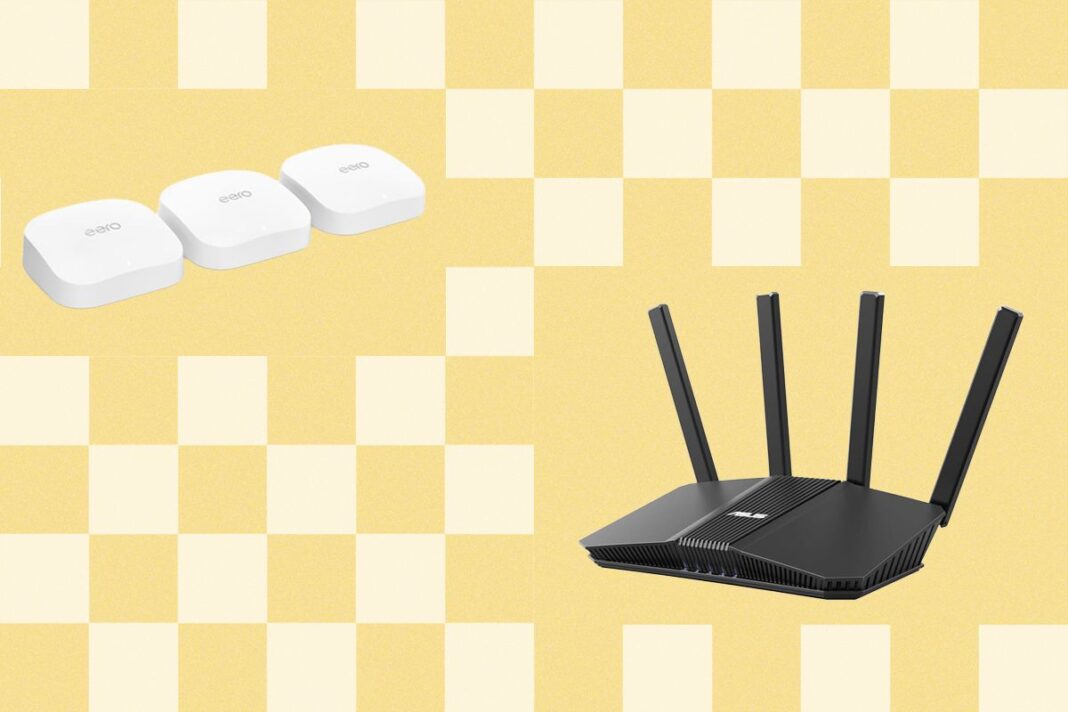
A router takes that connection and shares it wirelessly or through cables. It creates a local network, allowing multiple devices to use the internet simultaneously. Routers also manage traffic and provide security features.
Some internet providers offer combo units that combine both functions. These all-in-one devices can save space but may limit flexibility. Upgrading one component often requires replacing the entire unit.
Separate devices offer more control over performance. Users can choose a modem that matches their service speed and a router suited for their home size. This setup often leads to better speeds and coverage.
Knowing which device needs attention can prevent unnecessary purchases. If the internet drops frequently, the modem may be at fault. Slow speeds in certain rooms often point to a router issue.
For most homes, a separate modem and router provide the best balance of cost and performance. Understanding the difference helps users troubleshoot problems and make smarter upgrades.