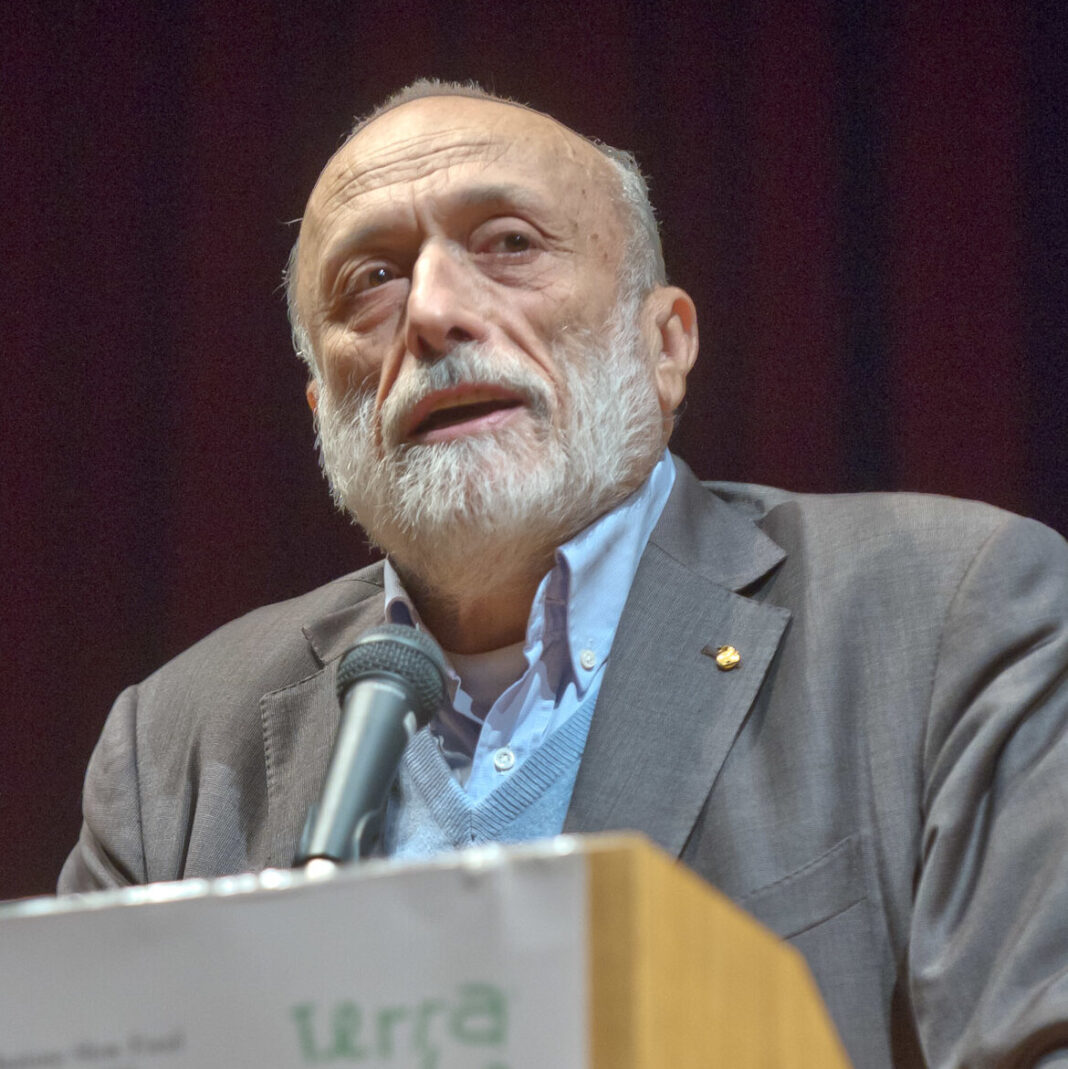
Carlo Petrini, the Italian activist who died on Thursday, founded the Slow Food movement not as a culinary trend but as a social revolution. His core argument was simple: how we eat reflects how we live.
Petrini built a global movement on the idea that eating well could make modern life more meaningful. He believed the act of sharing a meal could reconnect people with their communities and the environment.
The Slow Food movement began as a protest against the opening of a McDonald’s in Rome. Petrini saw fast food as a symbol of a culture that prioritized speed over quality and connection.
He argued that modern life had stripped meaning from daily routines. By slowing down to prepare and enjoy food, people could reclaim a sense of purpose and belonging.
Petrini emphasized the importance of local producers and traditional ingredients. He encouraged consumers to understand where their food came from and who made it.
His philosophy was less about gourmet dining and more about collective responsibility. He wanted people to see eating as a political and ethical act.
Under his leadership, Slow Food grew into an international network of thousands of chapters. The movement championed biodiversity, fair wages, and sustainable agriculture.
Petrini’s message was that food is a tool for building a better world. He focused on the human element, not just the plate.
His legacy is a reminder that small, intentional choices can shape larger systems. The point, he insisted, was never the food itself—it was us.